

By Walimbwa Moses
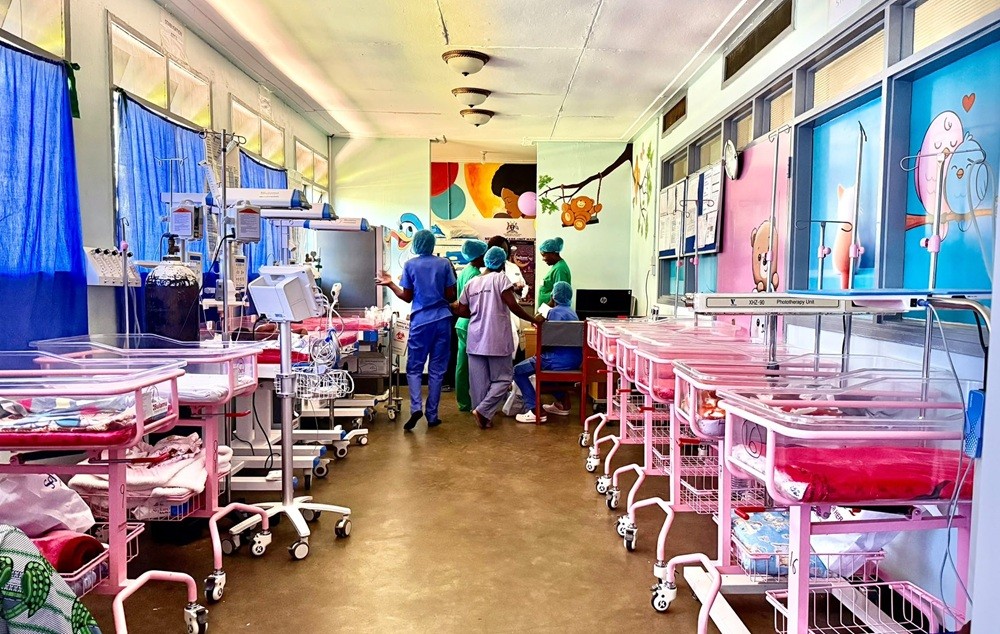
Families in Pallisa, Kibuku, and Butebo are expected to have better access to specialized care for premature and critically ill newborns following the commissioning of neonatal care units in the three districts.
The units were commissioned on November 13, 2026, ahead of World Prematurity Day. The national commemoration was held at Kalaki Primary School in Pallisa, where Dr Richard Mugahi, Commissioner for Reproductive and Infant Health at the Ministry of Health, urged communities to stop associating premature births with curses and witchcraft.
“It is not a curse; it is not witchcraft. It is a medical condition that requires love, warmth and immediate medical care,” Mugahi said.
He represented Health Minister Dr Chris Baryomunsi and commissioned the refurbished neonatal unit at Pallisa General Hospital.
Bulamu Healthcare International has invested Shs1.087 billion in improving newborn care across seven public health facilities. This includes equipment worth Shs887.3 million, with about Shs200 million for refurbishment and staff training.
The equipment includes 15 Vayu Continuous Positive Airway Pressure (CPAP) machines, 30 patient monitors, 15 neonatal radiant warmers and 1,000 Kangaroo Mother Care wraps.
Other beneficiaries are Kibuku Health Centre IV, Butebo Health Centre IV, Gulu Regional Referral Hospital, Atiak Health Centre IV, Kibiito Health Centre IV and Otwee Health Centre III.
Bulamu Country Director Dr Mackay Masereka said the support would help facilities manage newborn complications closer to communities and reduce referrals to Mbale Regional Referral Hospital.
He cited Budaka Health Centre IV, where Bulamu established a 20-bed neonatal intensive care unit in 2024. Masereka said it now saves nearly 100 vulnerable newborns every month. Previously, sick newborns from Budaka, Kibuku, Butebo, Butaleja and Pallisa were referred to Mbale, with some dying during the journey.
Mugahi said the government had secured Shs900 million for a medical store at Pallisa General Hospital, which the UPDF Engineering Brigade will construct. He said the hospital, established in 1966 with 100 beds, now handles more than 250 admissions daily. The project is expected to support further expansion, including a maternity ward.
Dr Anita Tumwebaze Muhumuza, a consultant neonatologist at Mulago Specialised Women and Neonatal Hospital, said premature births account for about 14 per cent of deliveries in Uganda.
Ministry of Health figures show neonatal mortality declined from 27 deaths per 1,000 live births in 2016 to 22 in 2022.
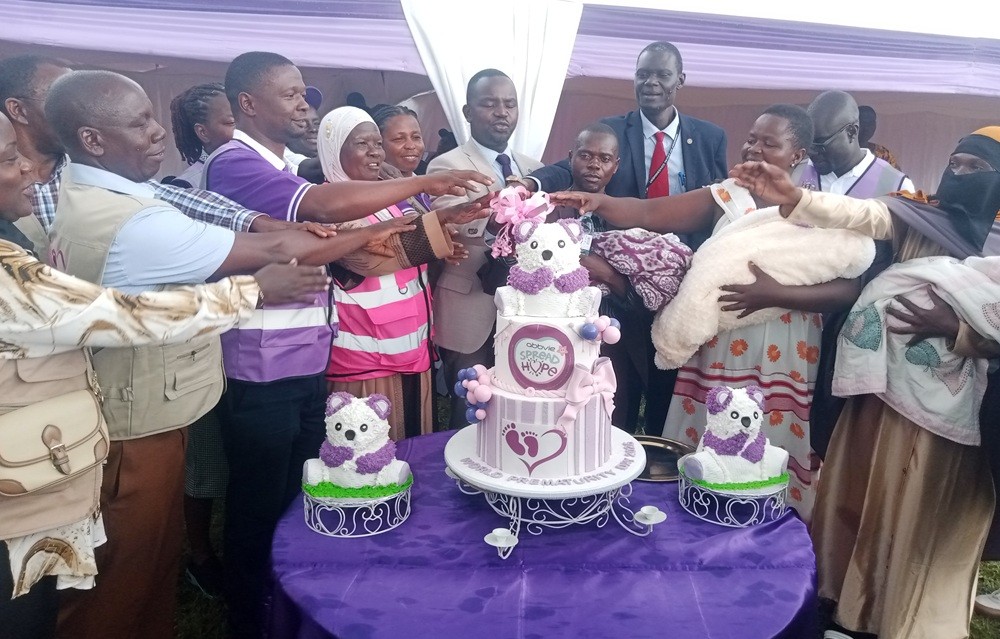
Health officials and other stakeholders during the commissioning of the refurbished Neonatal Intensive Care Unit at Pallisa General Hospital
Pallisa Woman MP Catherine Achola urged families not to give up on premature babies. She said her first child was born prematurely in 2011 and needed expensive care at Mengo Hospital.
“Do not abandon these children. Use the facilities brought closer to you,” Achola said. The child is now in Senior One.
Pallisa Chief Administrative Officer Simon Peter Aleu, who also has a child born prematurely, said: “Size at birth should not determine a child’s future. Premature babies are not a lost generation.”
Health officials advised expectant mothers to attend antenatal care, deliver in health facilities and practise Kangaroo Mother Care, which involves skin-to-skin contact. They also encouraged exclusive breastfeeding and prompt medical attention when a newborn struggles to feed, breathes rapidly, or becomes unusually cold.
Sustaining the services will depend on trained staff, reliable supplies, and functioning equipment.