
By Caroline Nakire
KAMPALA — Thousands of vulnerable families across Uganda will continue to receive money directly into their hands after Government renewed its partnership with the American charity GiveDirectly for another five years.
The fresh agreement, signed at the Office of the Prime Minister in Kampala, guarantees continued cooperation between the State and the non-profit organisation in the fight against poverty, displacement and the effects of disasters.
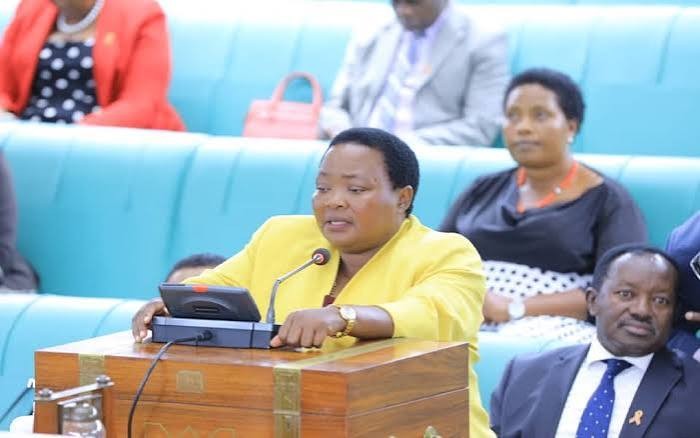
The ceremony was presided over by Prime Minister Robinah Nabbanja. She was flanked by her deputy, Dr Crispus Kiyonga, and the Minister for Disaster Preparedness, Relief and Refugees, Sam Engola.
The documents were signed by Alex Kakooza, the Permanent Secretary in the Office of the Prime Minister, on behalf of Government, and Stella Luk, the Vice President of GiveDirectly, on behalf of the organisation.
GiveDirectly is not a new name in Uganda. The charity has been working in the country for more than a decade, having first set foot here in 2015. Its model is strikingly simple: instead of giving food, blankets or building materials, it gives money straight to the people who need it most and trusts them to decide how best to use it.Over the years, that approach has reached some of the hardest-hit corners of the country.
In Karamoja, where drought and hunger have repeatedly pushed families to the edge, cash support has helped households buy food, pay for medical care and keep children in school. In the Mt Elgon region, families whose homes and gardens were swept away by landslides and floods have used the money to rebuild their lives.
The charity has also worked extensively with refugees and the Ugandan communities hosting them in Kiryandongo and Nakivale, two of the largest refugee settlements in the country. There, the transfers have helped both groups start small businesses, repair shelters and meet basic household needs without waiting for relief items to arrive.
Since it began operating in Uganda, GiveDirectly has handed out close to US$98 million, about Shs392 billion to vulnerable households. Officials say the money has gone directly to beneficiaries, cutting out middlemen and giving families dignity and choice.
The renewed Memorandum of Understanding will now run for five years. Under the deal, Government and GiveDirectly will continue to work together to identify the most vulnerable populations, especially those grappling with poverty, forced displacement and disaster-related shocks.
Speaking at the signing, officials described the partnership as a practical example of how Government can work with development partners to deliver help quickly and transparently. Rather than building parallel systems, the two sides will coordinate to ensure that support reaches the intended beneficiaries and complements existing Government programmes for disaster response and social protection.
For many families, the significance of the deal is immediate. In a country where a single flood, drought or displacement can wipe out a season’s harvest, direct cash can mean the difference between a family eating once a day and going to bed hungry.
As the new agreement takes effect, attention will now turn to how widely the programme will be rolled out, which areas will be prioritised, and how Government will ensure that the most vulnerable including women, the elderly and persons with disabilities are not left behind.