

By Wakibi Iddi
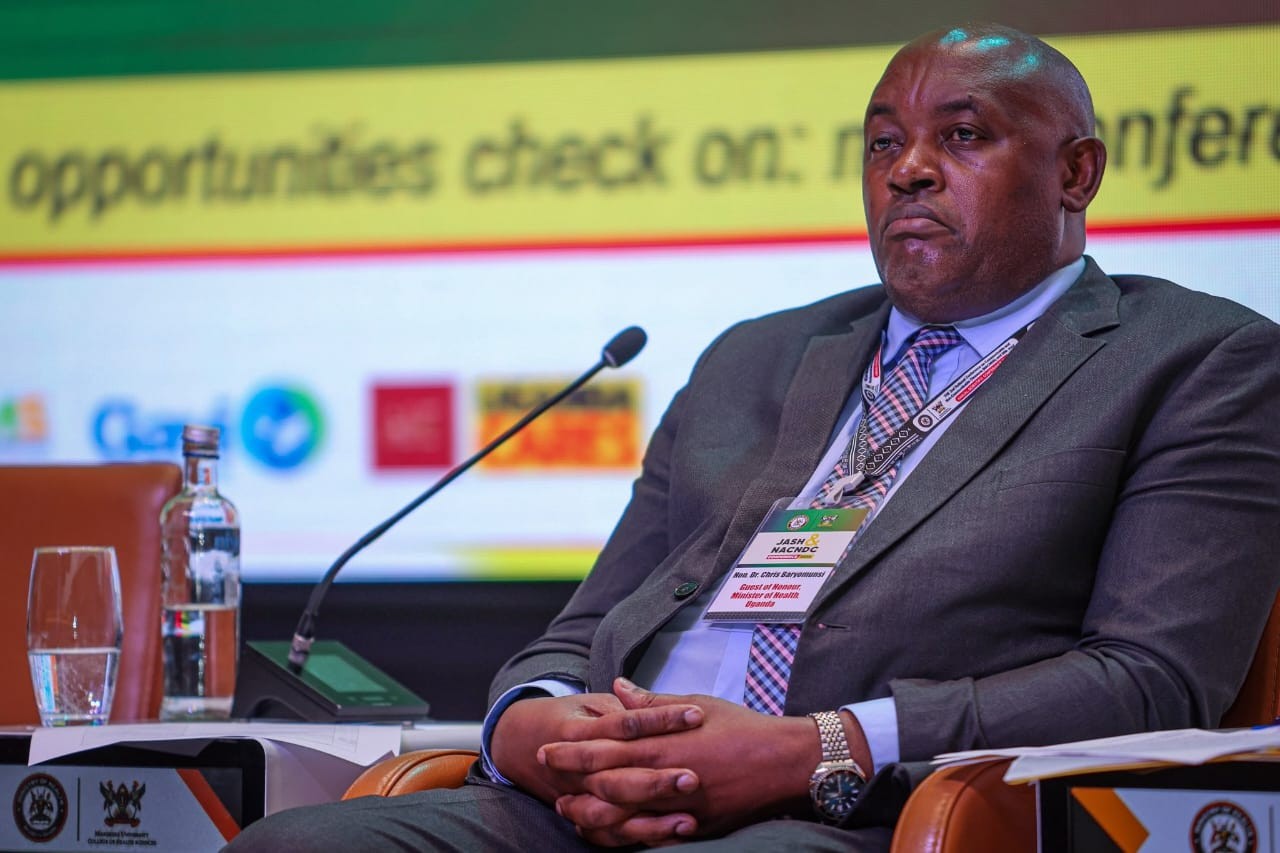
Health Minister Dr Chris Baryomunsi has called for stronger disease prevention, early diagnosis and increased health financing as Uganda grapples with infectious diseases and rising cases of cancer, diabetes, hypertension and heart disease.
Speaking as chief guest at the 20th Joint Annual Scientific Health Conference and the 2nd Annual Communicable and Non-Communicable Diseases Conference 2026 at Speke Resort Munyonyo, Dr Baryomunsi urged researchers, health professionals, universities and government institutions to translate scientific evidence into practical interventions that save lives.
He said an effective response requires stronger preventive healthcare, improved access to treatment and closer cooperation with neighbouring countries to address cross-border health threats.
“Diseases do not respect national borders,” Dr Baryomunsi said, calling for cooperation with the Democratic Republic of Congo, Kenya and South Sudan to strengthen epidemic preparedness and response.
The minister also highlighted gaps in childhood immunisation, noting that while more than 90 per cent of children receive the first vaccine dose, only about 64 per cent receive the second. He called for stronger public awareness campaigns and effective follow-up systems to ensure children complete their immunisation schedules and remain protected against preventable diseases.
On non-communicable diseases, Dr Baryomunsi urged health facilities to expand routine screening for hypertension, diabetes and cancer. He warned that delayed diagnosis can allow these conditions to progress, increasing the risk of complications and making treatment more difficult.
He also emphasised the importance of maintaining reliable supplies of essential medicines and strengthening local pharmaceutical production to improve access to treatment.
Addressing health financing, the minister said Uganda’s health budget remained below the 15 per cent allocation target set under the 2001 Abuja Declaration. He called for increased government investment and sustained support from development partners to strengthen healthcare delivery.
“A healthy population is essential for national development,” he said, urging stakeholders to support progress towards a national health insurance scheme that would improve access to medical services and reduce the financial burden on households.
Dr Baryomunsi further called for stronger primary healthcare systems, better support for community health workers and improved health data collection to guide policy decisions. He urged development partners to align their funding with Uganda’s national health priorities through coordinated planning, budgeting and monitoring.
The conference brought together health professionals, researchers, academic institutions and other stakeholders to discuss strategies for preventing and managing communicable and non-communicable diseases in Uganda.
The minister’s message underscored the need to move beyond treating illnesses after they emerge towards a health system that prioritises prevention, detects diseases early and makes essential care accessible. Turning these priorities into sustained action will be critical to saving lives, protecting households from healthcare costs and securing a healthier future for Uganda.