

By Iddi Wakibi
KAMPALA — A handwritten manuscript that began in Nakuru, Kenya, in 1962 has, more than six decades later, been transformed into a published account of Uganda’s turbulent history, personal sacrifice and national transformation.
The autobiography, Soldier of Faith, by the late Lieutenant Colonel George Wilson Kamya, has been hailed as an important record of Uganda’s liberation journey and a source of lessons on faith, patriotism, leadership, family and service.
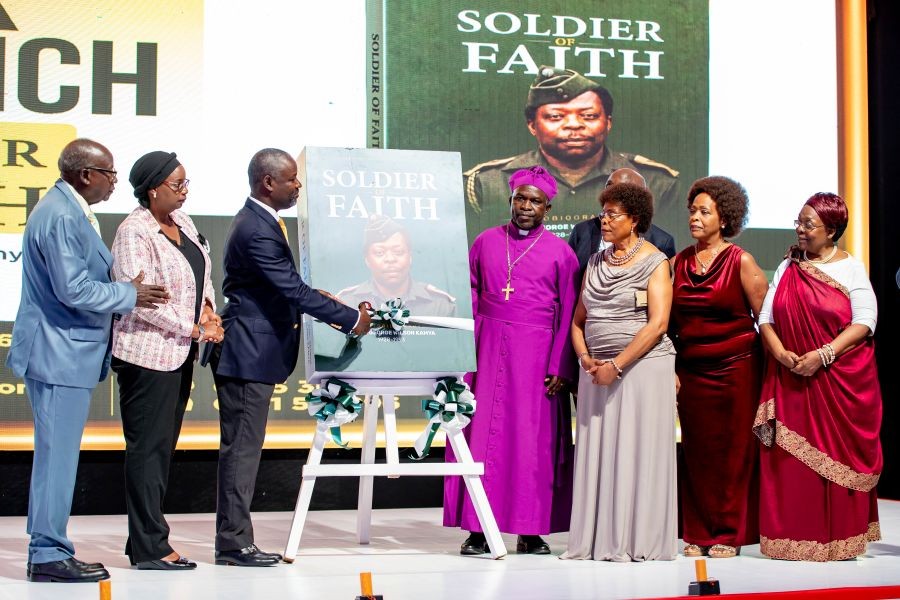
Speaking at the book launch at Kololo Ceremonial Grounds on Friday, Deputy Speaker of Parliament Thomas Tayebwa, who represented President Yoweri Museveni, delivered the President’s message, commending the autobiography for preserving the experiences and sacrifices of an earlier generation.
President Museveni said documenting such experiences was essential to ensuring that the contributions of those who shaped Uganda’s history are not lost.
“It is a commitment to ensure that the names of the fallen are not forgotten, that the realities of the battlefield are not sanitised by history, and that the true cost of our freedom is etched permanently into pages that will outlive us all,” he said.
The President said Soldier of Faith takes readers back to the principles that shaped Uganda’s liberation struggle, including patriotism, Pan-Africanism, socio-economic transformation and democracy.
“This autobiography takes us back to the foundational principles of our liberation struggle. It reminds us of the discipline, the ideological clarity, the Pan-African spirit and the people’s aspirations that defined our movement,” he said.
He also described the autobiography as a testimony to human resilience, showing how faith and dedication can sustain individuals through war and difficult circumstances.
“The book, Soldier of Faith, shows what happens to the human soul when it is tested in the crucible of war, and how dedication to a cause greater than oneself can pull a person through the darkest times,” President Museveni said.
He congratulated the Kamya family for preserving Lt Col Kamya’s experiences and making them available to younger generations.
Tayebwa said the title of the autobiography reflects the relationship between faith and service, particularly in the military.
“The book teaches us that service and belief need not cancel each other out; that you can serve, but also have strong faith. It shows clearly that an officer who prays is not a weak soldier, but rather he is often a steadier one,” Tayebwa said.
He also highlighted the book’s lessons on East African identity and the dangers of tribal and religious divisions, noting that Kamya’s family history demonstrates the interconnectedness of communities across the region.
Prof. Tarsis Kabwegyere said Kamya’s life demonstrates how opportunities and talents can be transformed into lasting impact.
“The opportunities that we are given are gifts from God. How those gifts and opportunities are used is what makes a person in history. We must thank God that this man was given gifts which he translated into impact — impact in the family, impact on the children, impact on neighbours and on the people he interacted with,” Kabwegyere said.
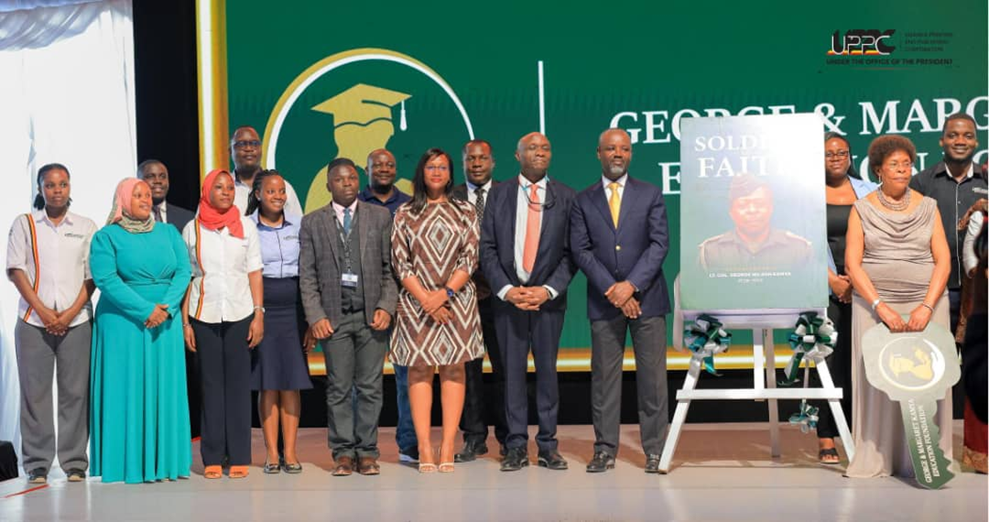
The autobiography was published by the Uganda Printing and Publishing Corporation (UPPC) after Kamya’s daughter, Edith Nnakajubi Mpanga, edited the manuscript following his death.
UPPC Deputy Managing Director Rebecca Nyakairu said the publication captures Kamya’s life in different spheres while providing a personal perspective on major events that shaped Uganda and East Africa.
“The book documents Kamya’s life as a soldier, accountant, church leader and family man, while providing a personal perspective on major events in Uganda and East Africa,” Nyakairu said.
According to UPPC, Kamya began writing the manuscript in Nakuru, Kenya, in May 1962. The handwritten account remained unpublished for 64 years before being edited and released in 2026.
This book covers his family background, military service, experiences during Idi Amin’s rule, imprisonment, exile in Kenya, the Uganda-Tanzania War and his eventual return to Uganda. It also reflects on wider historical events, including the Mau Mau Uprising and the Kabaka Crisis.
Mpanga said her father’s life was anchored in Christian faith, integrity, family and service.
“It is possible to live without corruption. My father worked his way up from a not very wealthy home in Masaka to where he eventually reached, and yet there was not a whiff of scandal attached to his name. He held a position where the temptations would have been great, but he did not compromise,” she said.
She said the family intends to continue his legacy through the George and Margaret Kamya Education Foundation, which will promote integrity, courage, faith and responsible citizenship among young people.
The launch highlighted the value of preserving personal accounts of Uganda’s past, particularly from individuals who lived through conflict, political change and national transformation.
Through Soldier of Faith, Kamya’s handwritten memories have been brought into the public domain, giving younger generations an opportunity to engage with the experiences, values and sacrifices of an earlier generation. The book is available at Quality Supermarket outlets and other selected bookshops.