

By Diana N. Kintu
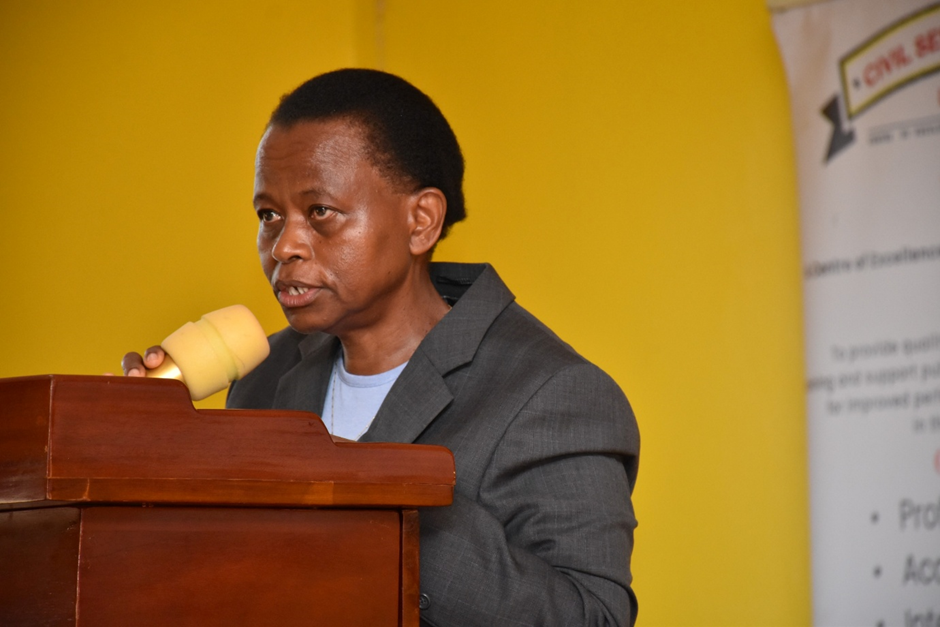
Uganda’s Head of Public Service and Secretary to Cabinet, Lucy Nakyobe, has announced sweeping reforms aimed at strengthening accountability, discipline, and performance across the country’s civil service.
The reforms were unveiled during a meeting with heads of Local Government human resource managers and Secretaries to District Service Commissions (DSCs) at the National Leadership Institute Kyankwanzi. The engagement focused on addressing long-standing inefficiencies and restoring professionalism in public service delivery.
Speaking at the meeting, Ms Nakyobe stressed that continued employment in the civil service would now be strictly tied to performance. She revealed that government intends to amend existing provisions in the standing orders governing public servants.
“We are going to change the clause in the standing orders which says that you are permanent and pensionable. We are going to add that you are permanent and pensionable if you deliver,” she said.
The proposed changes signal a major departure from traditional employment guarantees within the public sector, introducing performance-based retention as a central pillar of reform. According to officials, the new approach is expected to improve service delivery by ensuring that only competent and productive officers remain in government employment.
Ms Nakyobe further noted that the reforms will strengthen mechanisms for monitoring, inspection, evaluation, and supervision across ministries, departments, and local governments. She cautioned civil servants against complacency, warning that laxity and poor work ethic would no longer be tolerated.
“This is no longer going to be business as usual,” she said, criticising tendencies among some officials to neglect their responsibilities.
As part of the new measures, the government will introduce a rotational policy for senior officials, including Permanent Secretaries and heads of departments. Under the arrangement, such officers will serve in one station for a maximum of three years before being transferred.
The Head of Public Service said the move is intended to curb the entrenchment of patronage networks and promote transparency in administrative processes. She warned that resistance to transfers would attract disciplinary action, including possible removal from service.
Ms Nakyobe also raised concerns about corruption and unprofessional conduct among some human resource managers. She cited reports of arrogance, lack of patriotism, and unethical practices, particularly within District Service Commissions.
She noted that the current system of appointing DSC members, often influenced by district executive councils, has contributed to compromised recruitment processes. As a result, she recommended reforms in the appointment procedures as part of broader anti-corruption efforts.
“Corruption in the public service is not an allegation but a fact,” she stated, adding that addressing it requires structural changes.
The meeting also heard from Ben Kumumanya, Permanent Secretary in the Ministry of Local Government Uganda, who warned against the sale of jobs in local governments.
Mr Kumumanya directed that all job advertisements must include clear disclaimers cautioning applicants against paying bribes.
“Anybody asking for money to offer a job is doing an illegality and that’s corruption,” he said.He further observed that prosecution of corruption cases remains difficult due to lack of evidence, as many victims are reluctant to report incidents to enforcement agencies such as the Inspectorate of Government, the Criminal Investigations Directorate, and the State House Anti-Corruption Unit.