
By Caroline.N
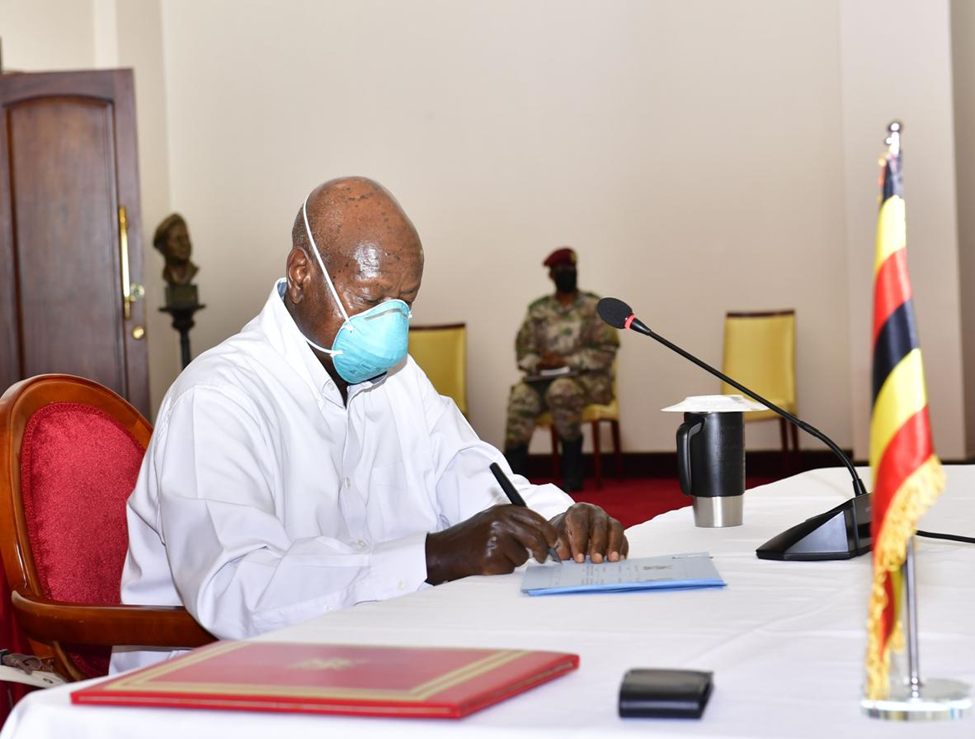
President Yoweri Kaguta Museveni has signed into law a landmark Bill establishing the National Drug and Health Products Authority, a major reform aimed at strengthening Uganda’s regulation of medicines, vaccines, and other health-related products.
The new legislation marks a significant shift in the country’s health governance framework, consolidating regulatory oversight into a single, strengthened institution mandated to ensure the safety, quality, and efficacy of drugs and health products circulating in Uganda.
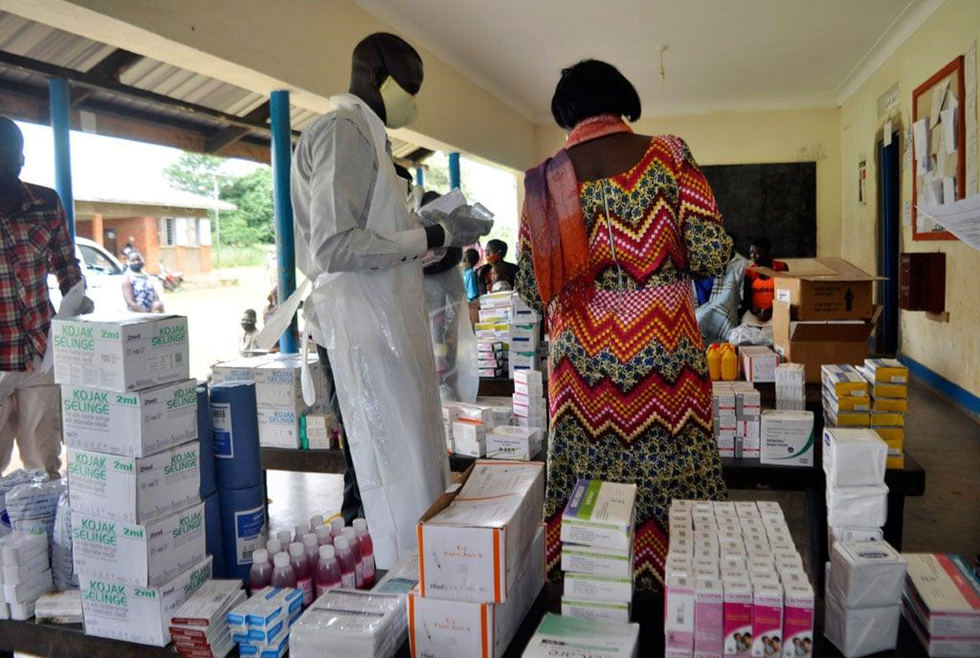
According to government officials, the establishment of the Authority is expected to address long-standing challenges in the pharmaceutical sector, including the circulation of substandard medicines, regulatory fragmentation, and enforcement gaps.
The law provides for a more streamlined system of drug registration, inspection, quality assurance, and post-market surveillance. It also strengthens the legal framework for combating counterfeit medicines, which have remained a persistent public health concern in Uganda and across the region.
The Ministry of Health is expected to work closely with the new Authority to implement the law, including developing operational guidelines, staffing structures, and enforcement mechanisms.
Officials say the transition will be carefully managed to ensure continuity of services while
strengthening regulatory capacity.
The Authority will also play a key role in supporting Uganda’s efforts to improve access to essential medicines, particularly in rural and underserved areas. By tightening oversight of supply chains and distribution systems, government hopes to reduce shortages and improve the availability of quality health products nationwide.
In addition, the new institution is expected to strengthen Uganda’s preparedness for public health emergencies by improving monitoring systems for pharmaceuticals and medical supplies. This includes faster detection of unsafe products and more efficient recall mechanisms when necessary.
Legal experts have described the law as a timely intervention, particularly in light of growing global concerns about drug safety and supply chain integrity. However, they have also stressed the importance of adequate funding, skilled personnel, and robust enforcement to ensure the Authority achieves its mandate effectively.
The signing of the Bill is part of a broader government agenda to reform the health sector and improve service delivery across the country. It also aligns with national development priorities aimed at strengthening institutions and enhancing public health outcomes.
With the law now in place, attention turns to implementation, as stakeholders prepare for the operational rollout of the National Drug and Health Products Authority, a body expected to play a central role in safeguarding Uganda’s health system.