

By Diana N. Kintu
Lira District has undergone a remarkable socio-economic transformation over the past decade, evolving from a post-conflict recovery area into a vibrant hub of industry, commerce, and entrepreneurship in northern Uganda.
Once defined largely by the aftermath of the Lord’s Resistance Army (LRA) insurgency, the district is now increasingly recognised for its expanding industrial base, growing trade activity, and rising household incomes driven by government development initiatives.
According to a statement from the Uganda Media Centre, flagship government programmes such as the Parish Development Model (PDM), Emyooga, and targeted infrastructure investments have played a central role in this turnaround.
These interventions, coupled with improved security and community resilience, have positioned women, smallholder farmers, and youth at the heart of Lira’s economic renewal.
Fifteen years ago, much of Lira still bore the visible scars of conflict, including the tragic Barlonyo massacre, which remains a painful reminder of the region’s history.
Today, however, the landscape tells a different story. The growing skyline of modern commercial buildings, improved road networks, emerging hospitality facilities, and the expansive Lira Main Market reflect a district in economic transition.
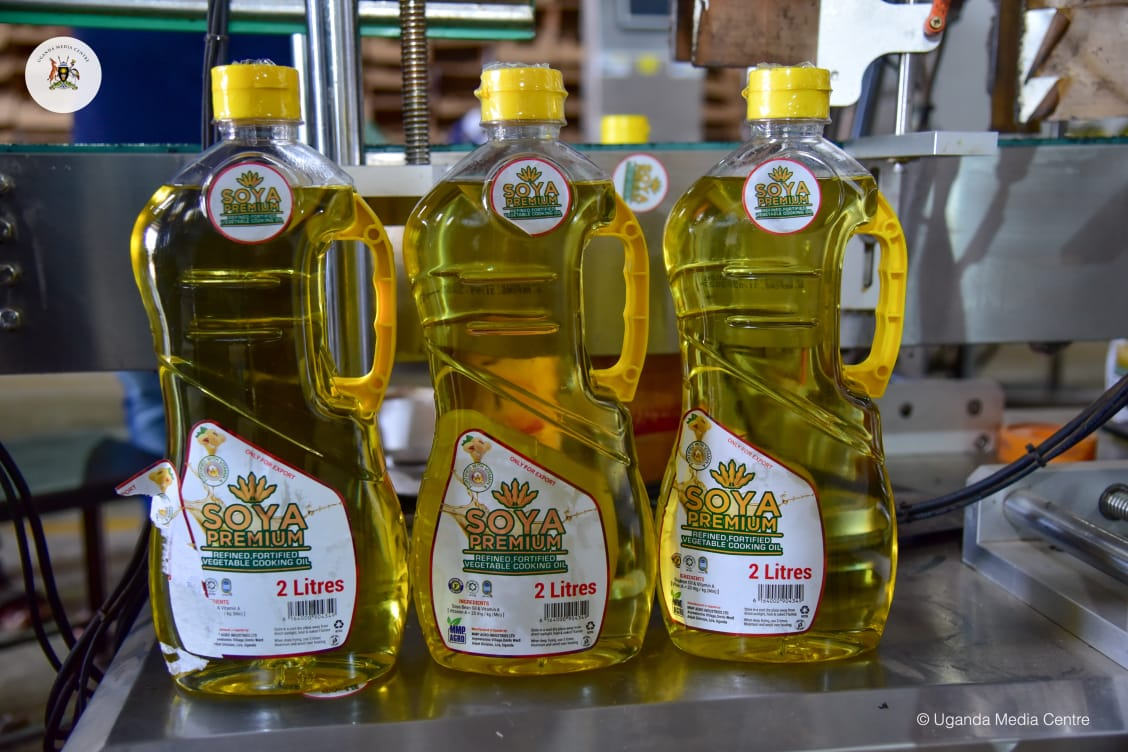
The district has also emerged as an important centre for agro-processing and light industry. Facilities engaged in processing sunflower, soybeans, maize, rice, and other agricultural produce have expanded significantly.
In addition, oilseed crushing plants, soap manufacturing units, and grain milling enterprises are increasingly contributing to local value addition.
This industrial growth aligns closely with Uganda’s National Development Plan IV (NDP IV), which prioritises agro-industrialisation as a key driver of economic transformation.
Through value addition initiatives such as local shea butter refinement and cooking oil production, Lira is strengthening agricultural value chains and ensuring that farmers are better integrated into higher-value markets.
This shift is not only increasing household incomes but is also generating employment opportunities for both skilled and unskilled workers across the production cycle.
The transformation is further illustrated through individual success stories that highlight the impact of government interventions at grassroots level.
Mr Patrick Olobo of Mwalimu Smart Farm, a former teacher, responded to the call for citizens to embrace enterprise by turning his home into an economic production unit. With support from government-funded micro-scale irrigation systems, he now grows bananas and coffee throughout the year.
“I am better off than I was as a teacher because I can comfortably pay my children’s school fees,” Mr Olobo noted, underscoring the impact of agricultural modernisation.
Women entrepreneurs have equally become central beneficiaries of these development programmes. Ms Milly Grace Ajoro, once a struggling single mother, accessed affordable financing through the Erute North Women Entrepreneurs SACCO under the Emyooga programme.
She has since established a small manufacturing enterprise producing sweaters, baby clothes, and footwear.
“The government gave me the hook; I did the fishing,” she said, reflecting on her journey towards financial independence. Her SACCO, now valued at approximately UGX 196 million, continues to support members engaged in diverse ventures including winemaking, cosmetics production, poultry farming, and honey processing.
Similarly, Ms Immaculate Abeja transformed her small UGX 25,000 wine business into a mini-factory after accessing a UGX 200,000 loan through Emyooga. She has since improved her branding, expanded her product line, and introduced composite flour products, demonstrating how access to small-scale financing can catalyse business growth and innovation.
Farmers have also benefited significantly from the Parish Development Model. Mr Otim Patrick of Ogur Sub-County, for instance, received UGX 1 million under the programme, which enabled him to expand maize production, acquire livestock, and diversify into soya bean farming.
According to the District Health Officer, Dr Patrick Ocan, rising household incomes have had broader social benefits, including improved access to healthcare services as more families can afford transport and medical expenses.