

By Diana N. Kintu
Parliament has approved the National Budget Framework Paper (BFP) for the Financial Years 2026/27 to 2030/31, setting the strategic policy and expenditure priorities that will guide Uganda’s economy over the next five years. The approval followed an extensive debate on the report of the Committee on Budget, with legislators scrutinising government priorities, fiscal discipline, and implementation capacity.
The Budget Framework Paper outlines the Government’s medium-term macroeconomic strategy and provides the basis for annual budget preparation. Its approval signals Parliament’s endorsement of the policy direction and reform agenda aimed at accelerating economic growth, improving service delivery, and strengthening public sector accountability.
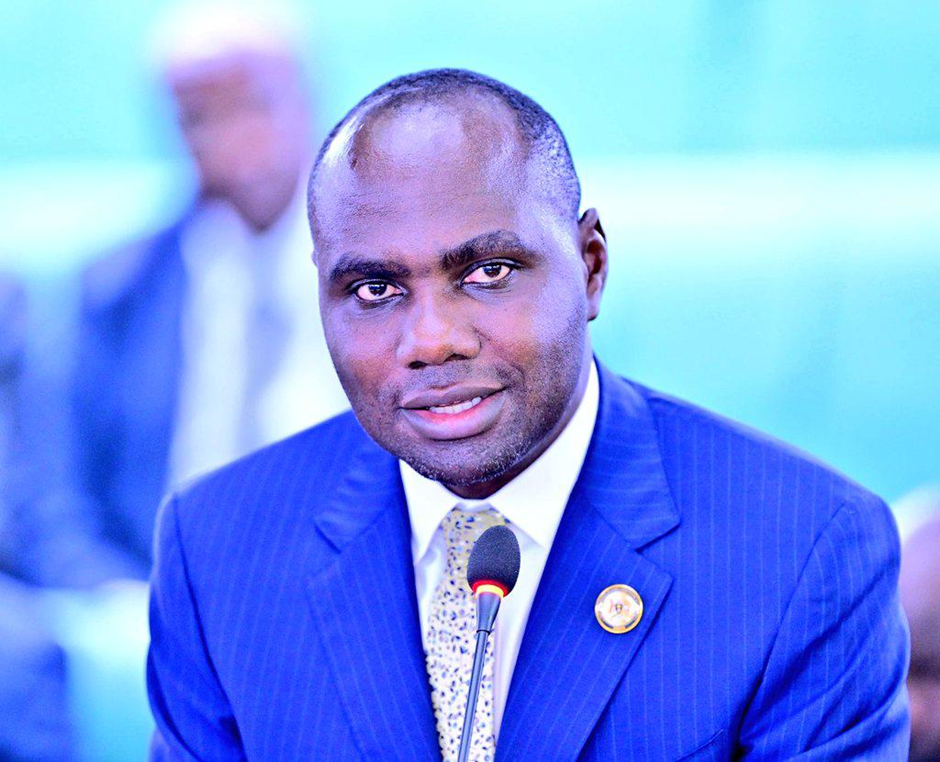
Presenting the Government’s position during the plenary sitting, the Minister of State for General Duties at the Ministry of Finance, Planning and Economic Development, Hon. Henry Musasizi, reaffirmed the Government’s ambition to achieve tenfold economic growth and expand Uganda’s economy to USD 500 billion by 2040. He said the strategy is anchored in prioritising high-impact sectors capable of driving rapid transformation.
According to the Minister, the Government will focus on the ATMS sectors—Agriculture, Tourism, Minerals, and Services—alongside investments in enabling infrastructure and export-oriented growth. He noted that agriculture remains critical for employment and food security, while tourism, minerals, and services offer significant potential for foreign exchange earnings and industrial expansion.
Hon. Musasizi further projected that Uganda’s economy is expected to grow between 6.5 per cent and 7 per cent in the next financial year, supported by increased private sector activity, improved public investment efficiency, and stronger export performance. He pledged the Ministry of Finance’s commitment to ensuring that the FY 2026/27 national budget is prepared and processed by April 2026, ahead of the inauguration of the 12th Parliament.
He explained that the early processing of the budget is in line with the strict timelines set out in the Public Finance Management Act (PFMA), Cap 171, and is intended to ensure continuity in fiscal planning and avoid delays in budget implementation during the parliamentary transition.
The approved Budget Framework Paper also places strong emphasis on governance reforms and fiscal discipline. Among the key priorities outlined are measures to eliminate what the government described as “budget games” that create opportunities for corruption, as well as efforts to close leakages in routine expenditures, particularly transfers to schools, health centres, and the public payroll.
Other focus areas include improving liquidity management and Uganda’s sovereign credit ratings, diversifying development financing through innovative mechanisms, and strengthening internal controls and audit functions to enhance accountability. The government also committed to completing procurement reforms to improve transparency and value for money in public spending.
The framework further highlights plans to improve asset management and maintenance of public infrastructure, increase domestic revenue mobilisation, and strengthen the governance of state-owned enterprises. Addressing longstanding challenges in project execution and the absorption of borrowed funds was identified as a priority to ensure that public investments deliver tangible results.
In addition, the Government intends to strengthen the Uganda Bureau of Standards (UNBS) to improve product certification, boost exports, and enhance confidence in domestically produced goods. Reforms in public service performance management and stronger coordination across government institutions were also emphasised.
Parliament was informed that the Government plans to clear domestic arrears within three financial years starting FY 2025/26, a move aimed at easing pressure on the private sector and restoring confidence in the Government’s payment systems.
The approval of the Budget Framework Paper marks a critical milestone in Uganda’s fiscal planning cycle, providing a comprehensive roadmap for economic growth, service delivery, and institutional reform over the medium term.