

By Caroline
The Government of Uganda has temporarily closed its border with the Democratic Republic of the Congo (DRC) as part of intensified efforts to prevent the spread of Ebola Virus Disease (EVD) into the country following a worsening outbreak in eastern DRC.
The decision was announced by the National Task Force on Ebola Response after health authorities expressed concern over increasing Ebola infections in neighbouring DRC and the risks associated with continued cross-border movement. Uganda has so far recorded seven confirmed Ebola cases, including one death, while no new infections have been reported since 25 May 2026.
Speaking during a media briefing in Kampala, the Ministry of Health Permanent Secretary, Dr Diana Atwine, said the country remains on high alert despite the stabilisation of confirmed cases. She noted that the number of contacts linked to the confirmed patients has increased, with many of them being health workers who were exposed while caring for infected individuals.
Under the new directives, all non-essential travel between Uganda and the DRC has been suspended with immediate effect. However, authorised Ebola response teams, humanitarian workers, food and cargo transporters, and essential security personnel will continue to operate under strict health screening and monitoring procedures.
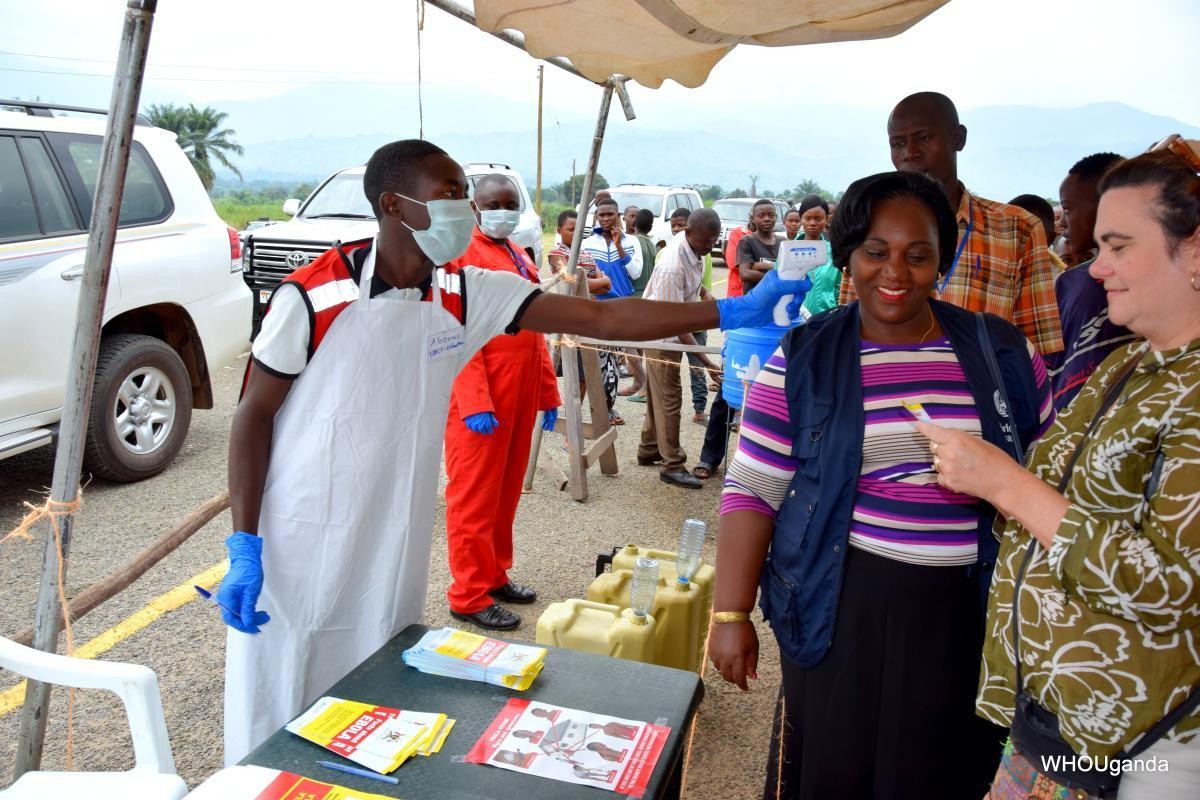
The Immigration Authority has been directed to enforce the restrictions and ensure that all authorised entrants complete locator forms, undergo health screening and remain under continuous surveillance in accordance with Ministry of Health guidelines. Any person entering Uganda from the DRC under authorised arrangements will also be required to observe mandatory self-isolation for 21 days.
As part of the enhanced response measures, schools in border districts will remain open but are required to strictly implement Ebola prevention protocols. School administrators have been instructed to identify learners returning from the DRC and monitor their temperatures daily for 21 days. Health facilities in border districts have also been designated to monitor and manage any suspected cases among learners and community members.
Resident District Commissioners (RDCs) and Resident City Commissioners (RCCs) have been tasked with ensuring compliance with all Ebola prevention and control measures issued by the Ministry of Health and the National Task Force.
The government has further called upon media organisations to support public awareness efforts by dedicating airtime to educating communities on Ebola prevention, early detection and reporting procedures.
Health experts say the latest measures are intended to minimise the risk of cross-border transmission while maintaining essential humanitarian and trade operations. Uganda has previously demonstrated strong capacity in responding to Ebola outbreaks, and authorities remain optimistic that early intervention, surveillance and public cooperation will help contain the disease.
The closure comes as the World Health Organization and regional health agencies continue to monitor the Ebola situation in eastern DRC, where the outbreak has raised concerns across the region. Uganda’s health authorities have urged the public to remain vigilant, observe hygiene measures and promptly report any suspected symptoms to health facilities.