

By Caroline
The United Nations Population Fund (UNFPA) and the African Development Bank (AfDB) have signed a new partnership agreement aimed at strengthening maternal health systems and helping African countries harness the benefits of their growing working-age population.
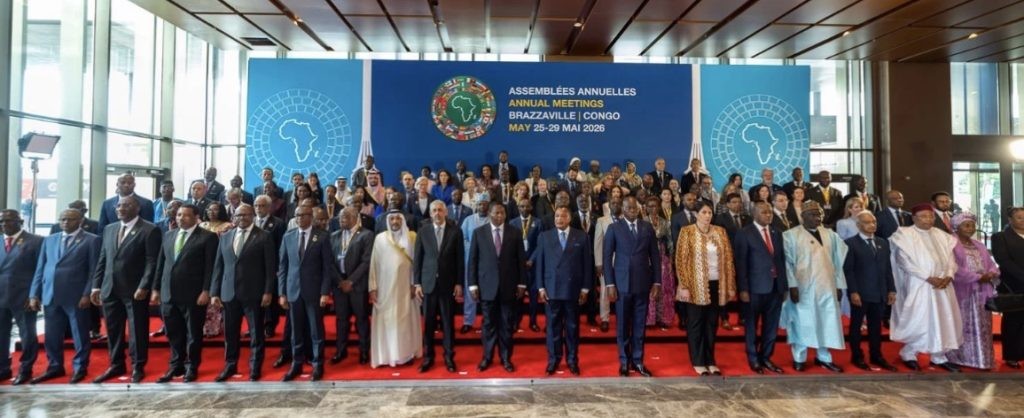
The Memorandum of Understanding (MoU), signed during the African Development Bank Annual Meetings this week, places maternal health and demographic resilience at the centre of Africa’s economic transformation agenda.
The agreement recognises maternal health not only as a healthcare priority but also as a critical investment in economic growth, productivity, resilience and human capital development. Through the partnership, the two institutions will support African countries in leveraging the demographic dividend—the economic growth potential that arises when a country has a larger working-age population than dependants.
According to the World Bank, the demographic dividend occurs when declining birth and death rates create a larger proportion of working-age citizens, providing opportunities for increased productivity, savings and economic development.
Despite significant progress in reducing maternal mortality across the continent, Africa continues to face challenges related to unequal access to quality healthcare services and inadequate financing for maternal and reproductive health programmes.
Speaking at the signing ceremony, UNFPA Deputy Executive Director Diene Keita described the renewed collaboration as a shared commitment to placing maternal health and human capital development at the heart of Africa’s future.
“There is immense opportunity within Africa if we make strategic investments in women and young people,” Keita said. “Economic progress for Africa is only possible if we prioritise women’s health and address one of the continent’s most pressing development challenges—preventable maternal deaths.”
AfDB President Dr Sidi Ould Tah said Africa is increasingly emerging as a major driver of global growth, comparable to the economic rise witnessed in Asia over previous decades.
He noted that a new generation of African entrepreneurs is developing innovative solutions to social and economic challenges using digital technologies. However, many of these innovations struggle to expand due to limited access to financing and outdated financial systems.
“The financial architecture surrounding the continent has not evolved to mobilise resources at the scale and speed required for Africa’s transformation,” Dr Ould Tah said.
Under the partnership, UNFPA and AfDB will work together to ensure that demographic transition plans are integrated into national financing strategies. The collaboration will also explore innovative financing mechanisms to increase investment in women and young people, who are considered key drivers of Africa’s development.
Priority areas include modernising the health workforce through digital training, strengthening local procurement systems, upgrading climate-resilient health infrastructure and expanding digital health information systems.
The two organisations have collaborated since 1992 on several initiatives aimed at improving health systems and data-driven development across Africa. Their achievements include supporting modern population census systems in Côte d’Ivoire, improving emergency maternal and newborn healthcare services in Cameroon, promoting reproductive health and hygiene awareness in Madagascar, and integrating gender and reproductive health considerations into climate adaptation planning across East and Southern Africa.
UNFPA, the United Nations agency is responsible for sexual and reproductive health, operates in more than 150 countries and territories, providing essential health services and supporting governments to address changing population needs.
The new partnership is expected to strengthen Africa’s efforts to improve maternal health outcomes while unlocking the continent’s vast demographic and economic potential.