

By Diana N. Kintu
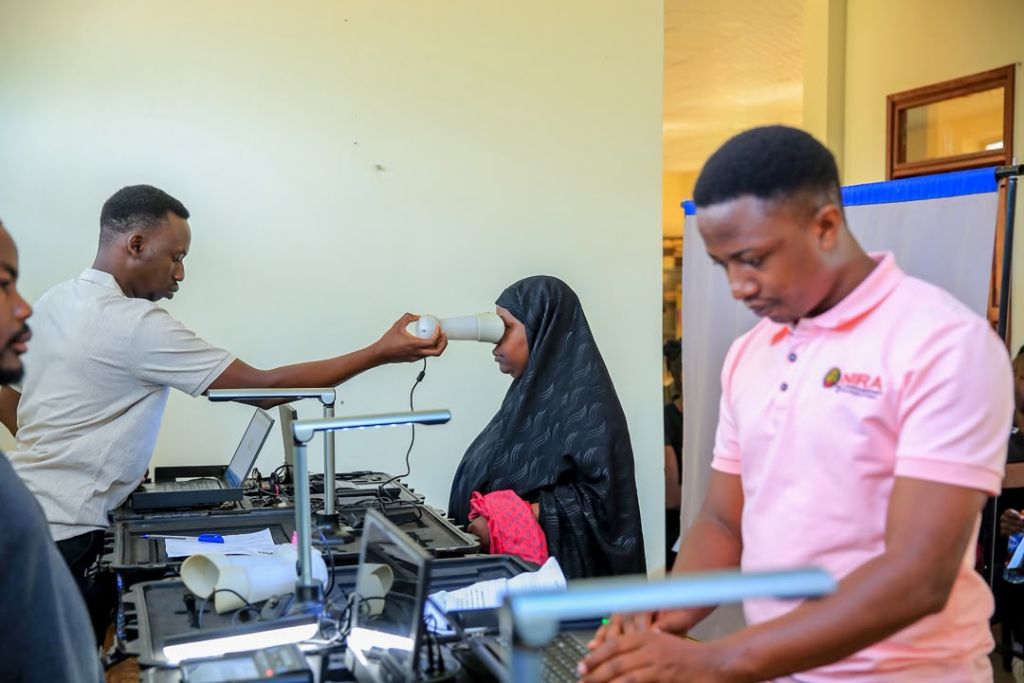
NIRA Enabling the Returnees to Access Essential Government and Financial Services that Many had Missed While Living Abroad.
More than 700 Ugandans evacuated from South Africa following recent xenophobic violence are beginning the difficult journey of rebuilding their lives, as Government rolls out National Identity Cards (IDs), counselling, skills training, and livelihood support to help them reintegrate into society.
The returnees, who arrived in Uganda last week after losing businesses, employment, homes and personal belongings during the attacks, are undergoing a comprehensive rehabilitation programme at the National Leadership Institute (NALI) in Kyankwanzi before returning to their communities.
A key component of the programme is the registration and issuance of National IDs by the National Identification and Registration Authority (NIRA), enabling the returnees to access essential government and financial services that many had missed while living abroad.
Commissioner of the National Secretariat for Patriotism Corps (NSPC), Ms Hellen Seku, said bringing government services directly to the rehabilitation centre is intended to ensure that no Ugandan is left behind.
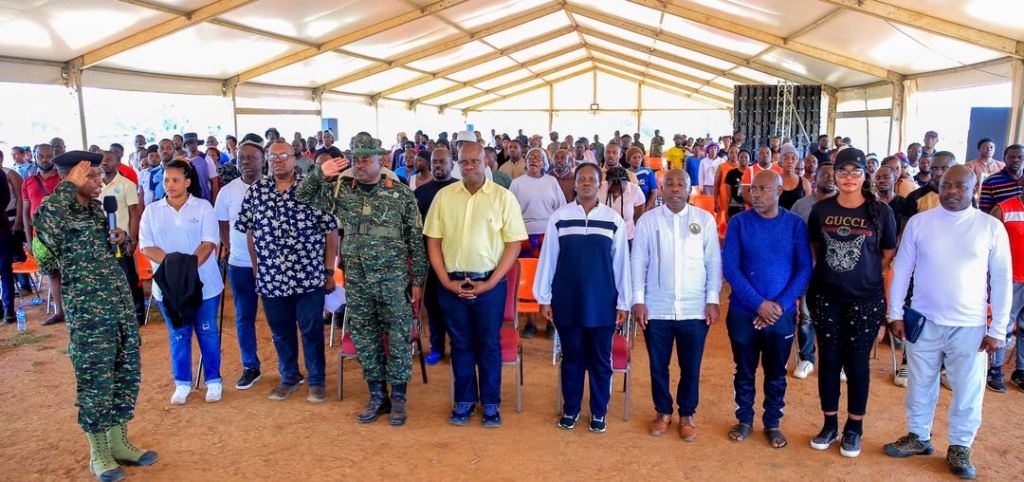
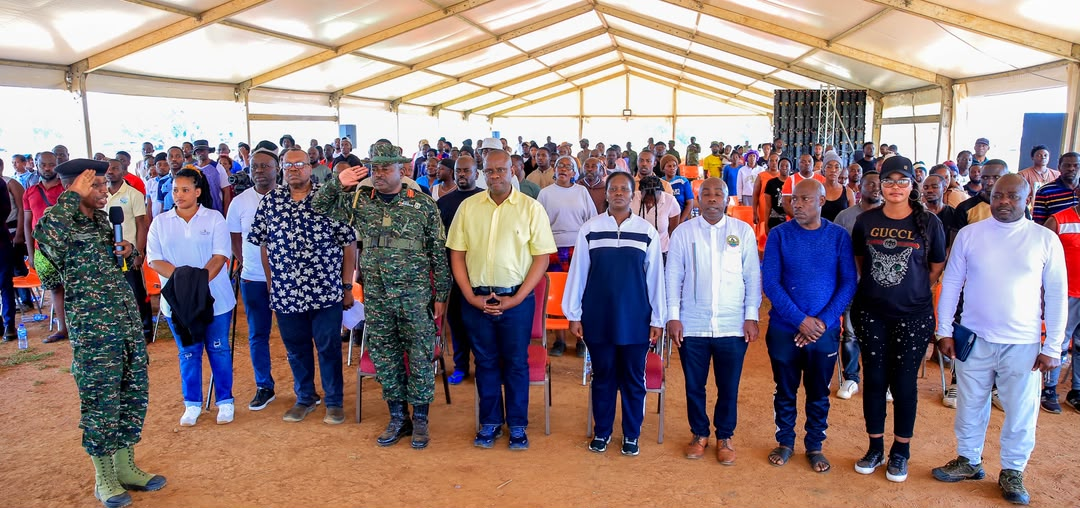
The returnees and government officials during the rehabilitation programme in Kyankwanzi
“Many of them missed the national registration exercise because they had been living in South Africa. Without a National ID, it becomes difficult to access many services. We want them to reintegrate fully and enjoy every service available to Ugandans,” she said.
Beyond identity registration, the returnees are receiving trauma counselling, psychological support, patriotism and civic education, entrepreneurship training, financial literacy, and practical guidance on government wealth creation programmes, including the Parish Development Model (PDM) and Emyooga.
According to Ms Seku, the programme is designed to help the returnees rebuild their confidence and become economically productive after the hardships they experienced.
“We do not want them to return to their communities empty-handed. They should understand how government programmes work, how they can benefit from them, and how they can use agriculture and enterprise to improve their livelihoods,” she said.
She noted that many of the returnees arrived emotionally distressed after losing businesses, jobs, and property during the attacks.
“When they first arrived, they were angry, traumatised, and uncertain about their future. Today they are calmer, hopeful, and appreciating the opportunities available in their own country,” Ms. Seku said.
She added that some of the returnees had lived in South Africa for between 20 and 45 years, while more than 216 accompanying children were born there and had little knowledge of Uganda.
“They needed counselling, guidance, and a renewed sense of belonging. We are helping them rediscover their country and return to their communities as productive citizens rather than victims,” she said.
NIRA Senior Registration Officer Capt. Darius Turyahikayo said the registration exercise has progressed steadily, with more than 410 returnees already enrolled.
“As NIRA, we register every Ugandan from birth. Many of these returnees missed previous registration exercises because they were abroad. Bringing these services closer to them ensures that no one is left behind,” he said.
Capt. Turyahikayo added that NIRA has been directed to ensure every eligible returnee receives a National ID before leaving the rehabilitation centre.
“Our Executive Director directed that every returnee should obtain an ID before departing this facility, and we are committed to fulfilling that promise,” he said.
The rehabilitation programme has also attracted support from several government institutions, including the Uganda Registration Services Bureau (URSB), mobile telecommunications companies, and financial institutions, which are providing services to help the returnees restart their lives more easily.
Ms. Seku commended President Yoweri Kaguta Museveni for directing government agencies to support the repatriation and rehabilitation exercise.
She also acknowledged the Chief of Defence Forces, Gen. Muhoozi Kainerugaba, the Office of the Prime Minister, the Ministry of Foreign Affairs, NIRA, URSB, and the management of NALI for coordinating the programme. President Museveni is expected to meet the returnees during the programme’s closing ceremony on 17 July.
For many of the returnees, the programme has already restored hope.
Musician Billy Katumba, popularly known as Kasodde, said the counselling and training have given participants the confidence to begin again after losing almost everything in South Africa.
“We are being treated with dignity. The counselling has helped us recover emotionally, while the training has shown us opportunities we had never considered. Going straight home without this programme would have been very difficult,” he said.
He encouraged Ugandans still facing insecurity in South Africa to consider returning home and taking advantage of the opportunities available in Uganda.
As the returnees prepare to leave Kyankwanzi and reunite with their families, Government says the combination of identity registration, psychosocial support, and economic empowerment is intended to help them rebuild their lives, regain their dignity, and contribute productively to their communities.
Source: Government of Uganda, July 2026