

By Wakibi Iddi
The Uganda National Institute for Teacher Education (UNITE) has called on stakeholders to move beyond policy discussions and translate education reforms into practical changes in teacher training, classroom practice and institutional management.
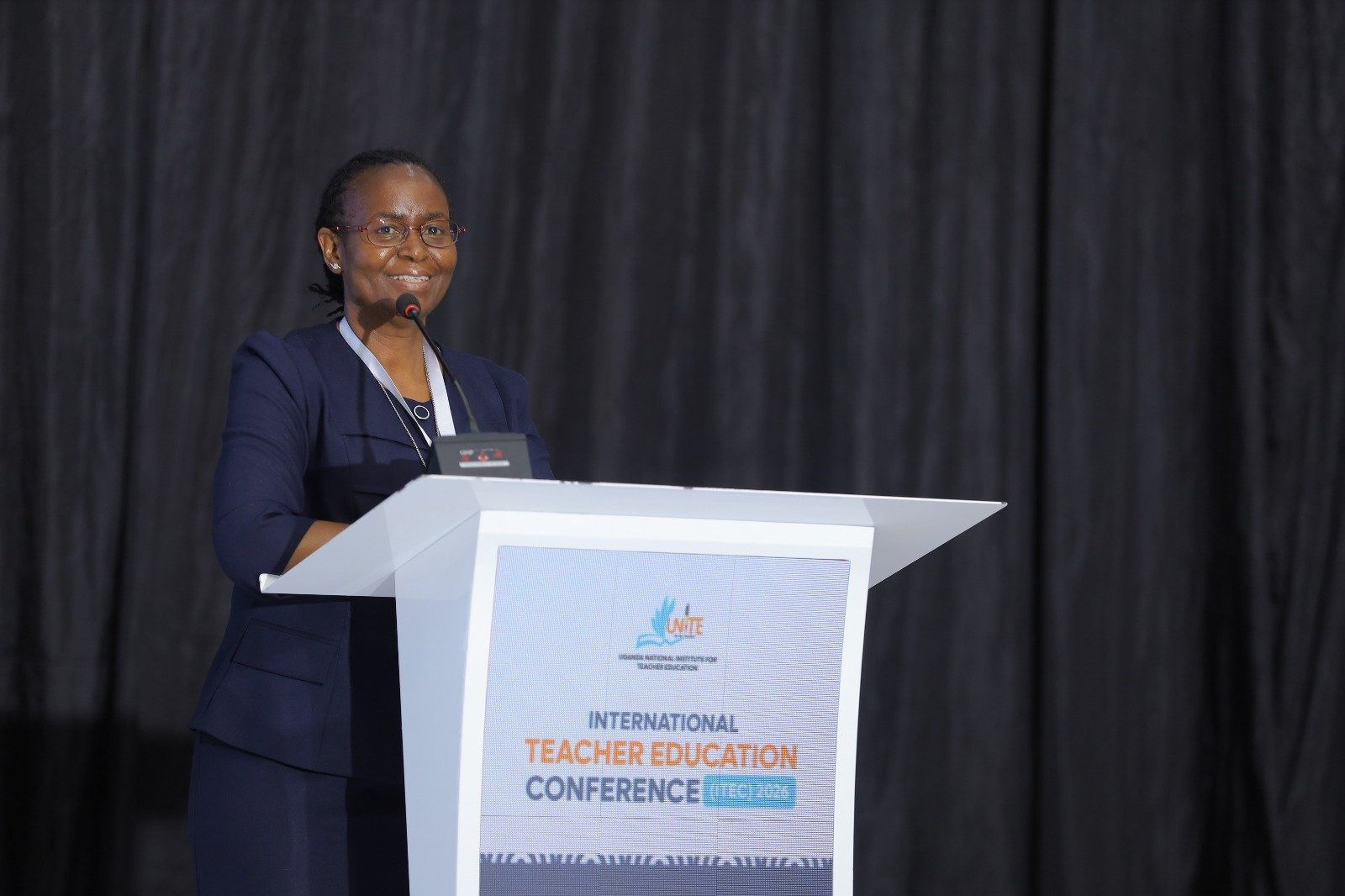
The call was made during the pre-conference workshop for the inaugural International Teacher Education Conference (ITEC) 2026, held at Hotel Africana in Kampala.
The workshop brought together teacher educators, researchers and institutional leaders to examine practical ways of turning reforms into changes that improve teaching and learning.
UNITE Deputy Vice-Chancellor for Academic Affairs, Prof. Proscovia Namubiru Ssentamu, said the programme was designed to help participants develop concrete responses to challenges affecting teacher education.
“Meaningful reform is not achieved through speeches. It must be reflected in our classrooms, teacher education programmes and institutions,” Prof. Namubiru said.
She said the workshop was structured as a hands-on platform where participants could assess existing practices, identify gaps and develop solutions that can be applied within their institutions.
Prof. Namubiru emphasised the need for context-specific reforms, saying teacher education must respond to the realities faced by learners and educators.
She also called for stronger collaboration among teachers, teacher educators, policymakers, researchers and other practitioners, saying partnerships can generate solutions that remain relevant beyond individual programmes and conferences.
The pre-conference programme features five applied clinics focusing on critical areas of teacher education. These include digital responsibility and artificial intelligence in teaching, learning and research; evidence synthesis, research methods and publication; inclusive competency-based curriculum design, delivery and assessment; leadership, governance and reform sustainability; and gender equity, inclusion and safe learning environments.
The sessions are being facilitated by experts from UNITE, Kyambogo University, Nkumba University, the Uganda National Examinations Board (UNEB), the National Curriculum Development Centre (NCDC) and other partner institutions.
The programme is expected to produce practical outputs, including tools, guidelines, validated recommendations and action plans that participants can implement in their institutions.
The focus comes as Uganda continues to strengthen competency-based learning and improve the quality and relevance of teacher preparation. Digital technologies and artificial intelligence are also emerging as key areas for preparing teachers for changing learning environments.
Prof. Namubiru urged participants to use the conference to build professional networks that can support continued collaboration and innovation.
“You should not go back the way you came. Sometimes it is these networks that give us the wings to fly,” she said.
The pre-conference activities precede the main ITEC 2026 programme, which brings together teacher educators, researchers, institutional leaders and other stakeholders to examine the future of teacher education.
The focus is clear: turn education reforms into practical action that improves teacher preparation, classroom practice and learning outcomes.