

By Diana N. Kintu
Kampala, Uganda: For an older person, home should be a place of safety. But Uganda is confronting a difficult reality: some of the people older persons depend on for care are also among those reported for abusing them.
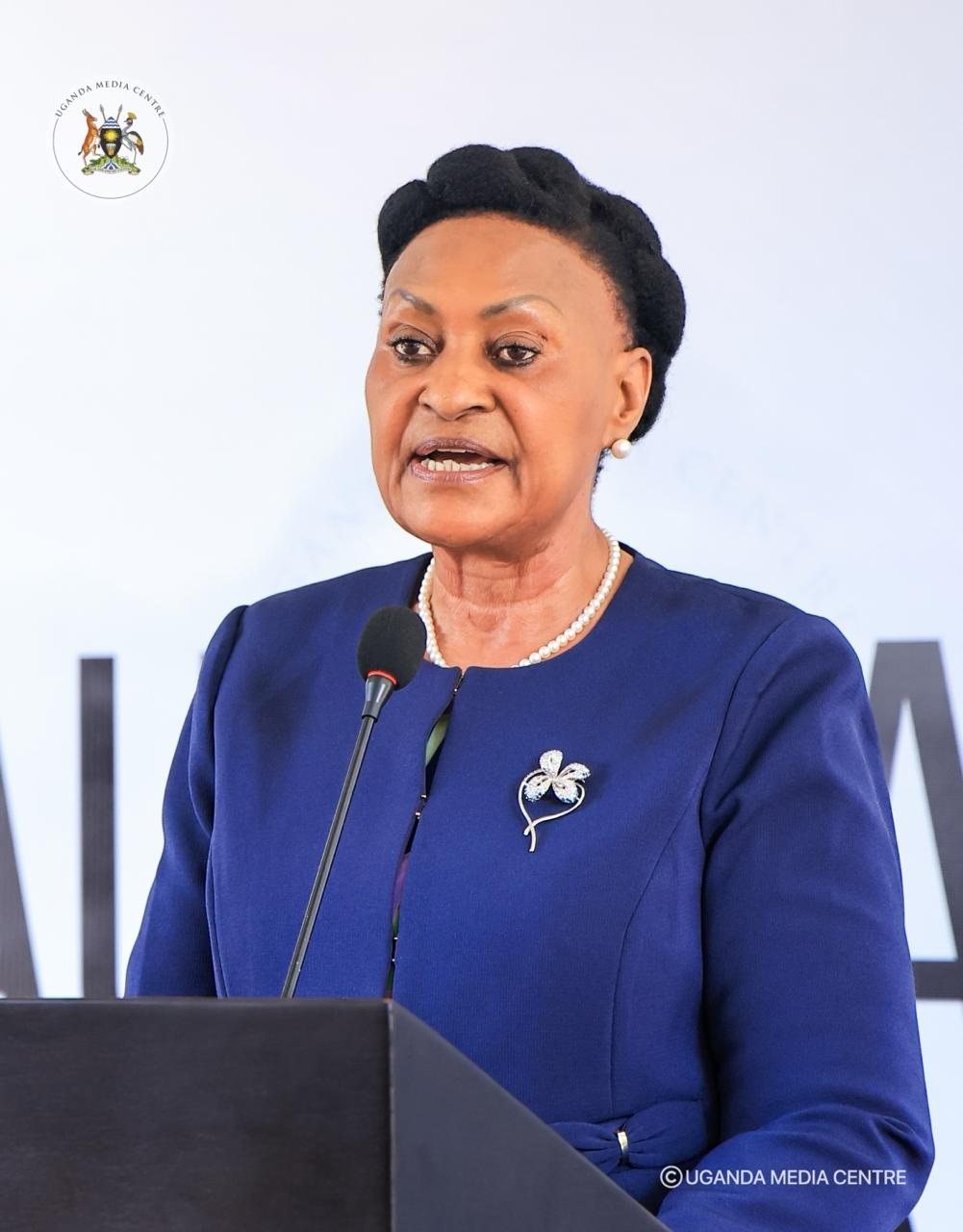
“We have a shameless 82% of perpetrators of elder abuse reported as relatives of Older Persons,” Minister of State for Elderly Affairs, Hon. Jacqueline Mbabazi, said on Wednesday, calling on Ugandans to stand up and stop the abuse.
The warning comes as Uganda prepares to mark the International Day of Older Persons on October 1 under the theme “Ageing with Dignity: Strengthening Care and Support Systems.”The Minister said older persons continue to face neglect, physical and emotional abuse, financial exploitation, land and property grabbing and other violations of their rights. Government is developing an Elder Abuse Reduction Programme to strengthen reporting, referral and coordination among institutions responsible for responding to such cases.
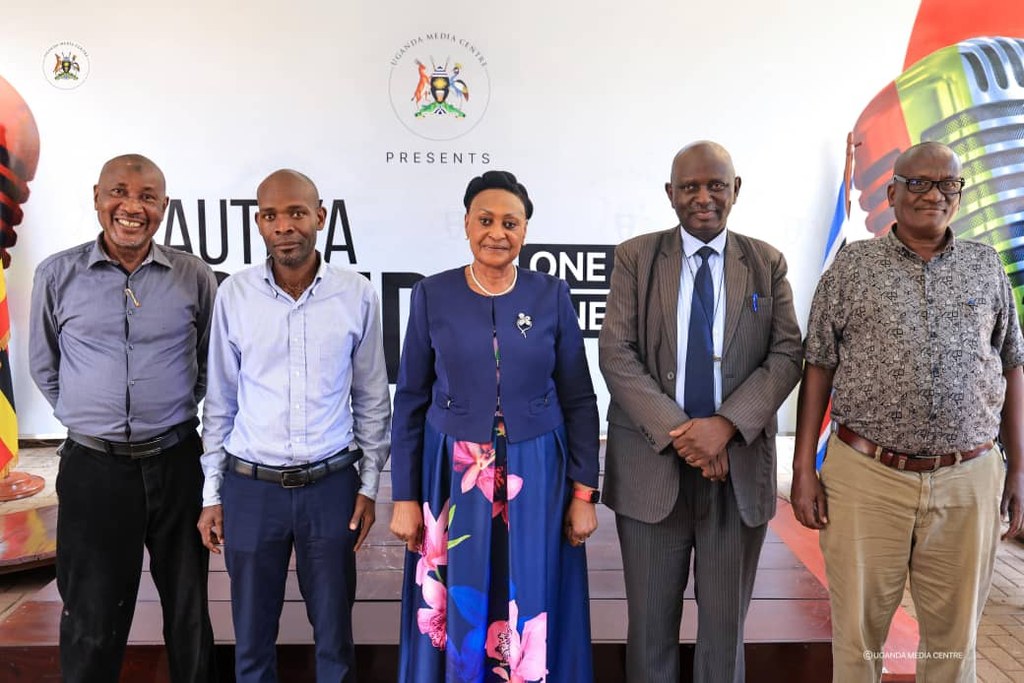
Uganda prepares to mark the International Day of Older Persons on October 1 under the theme “Ageing with Dignity: Strengthening Care and Support Systems
But the challenge extends beyond abuse; Uganda’s population of older persons is growing, while the systems available to support them remain under pressure.
According to the 2024 Census, approximately 2.3 million Ugandans are aged 60 years and above, representing about five percent of the population. The figure was projected to reach 2.6 million by mid-2026, with the number expected to continue rising. At the same time, older persons are carrying significant responsibilities within their families.
The 2024 Census found 1.64 million households headed by older persons, caring for about 5.9 million dependants, mainly orphans and vulnerable children. The Minister said this brings the total care burden involving older persons and their dependants to about 7.5 million people.
The Ministry says only about 7% of Ugandans have access to formal social security, with most older persons in rural areas having worked in the informal sector.
Healthcare presents another major gap, this is 95.5% of older persons have no health insurance, while their out-of-pocket health spending is almost three times that of the general population. Under the Senior Citizens Grant, she said beneficiaries spend more than 30% of their allowance on health.
Specialist care is also limited, since Uganda currently has only one geriatrician and four social gerontologists in Government to serve the estimated 2.6 million older persons. The Minister called for all regional referral hospitals to have a geriatrician and for every district to have a social gerontologist to provide professional care and support.
Sanitation is another concern, with about 99% of households of older persons lacking age-friendly sanitation facilities and relying on squat-pit latrines. Despite these gaps, Mbabazi said Uganda can still improve the situation quickly because many of the challenges are linked to coordination and prioritisation.
“The good news is that we can quickly turn the tide, because most of the areas where we are lagging behind are issues of coordination and then prioritisation in the fiscal architecture,” she said.
Currently, the Government is already using several programmes to strengthen the economic security and welfare of older people. Under the Senior Citizens Grant (SAGE), payments during the 2025/2026 financial year reached 318,649 older persons, mainly those aged 80 and above.
The Special Enterprise Grant for Older Persons (SEGOP), launched in the 2022/2023 financial year, supports groups of five to 10 older persons engaged in productive activities, agriculture and income-generating activities. Each group can receive up to UGX 5 million, with more than 2,948 groups and 18,631 individual beneficiaries reached so far.
The government has also allocated 10% of Parish Development Model funds to older persons to support household income generation. However, the Ministry says reports indicate that access remains below 3%, partly because of perceptions that older persons should not receive loans because repayment could cause stress or ill health. Government says it will explore ways to address the challenge.
In healthcare, the Government is strengthening geriatric care and piloting a health insurance scheme in response to the high medical costs faced by older persons. It is also promoting family and community-based care, regulating residential care facilities and developing social care models for frail older persons and those without family support.
The Responsibility Starts at Home, Mbabazi stressed that Government programmes alone cannot guarantee dignified ageing. Families, she said, must remain the first line of care and protection, with children and relatives maintaining contact with ageing parents and providing emotional, social and material support.
Local governments and communities are expected to identify vulnerable and frail older persons, connect them to available services and ensure that cases of abuse, neglect and exploitation are reported and addressed.
Health facilities should provide more age-responsive services, while police and justice institutions are expected to protect older persons from abuse, violence and the loss of their land and property.
The Minister also called on civil society, faith-based organisations, cultural institutions, development partners, the private sector and the media to contribute to stronger support systems and challenge negative attitudes towards ageing.
Older Persons Are More than beneficiaries; she also urged Ugandans to look beyond seeing older persons simply as recipients of Government assistance.
“Older persons should not be regarded merely as beneficiaries of Government programmes. They remain farmers, professionals, entrepreneurs, caregivers, community leaders and custodians of knowledge and experience,” she said.
She said stronger care and support systems should enable older persons to remain active, independent and productive for as long as possible. That means dignified ageing is not only about providing financial assistance. It also means ensuring that older persons can access healthcare, remain connected to their families and communities, and retain control and protection over their property and lives. As Uganda marks the International Day of Older Persons, the Minister’s message is ultimately directed beyond Government to families and communities.
“Ageing with dignity begins with how we care for, protect and include older persons within our families and communities.”
The national commemoration will be held virtually from State House, Entebbe, on October 1, with President Yoweri Kaguta Museveni as Chief Guest and proceedings transmitted through media platforms across the country. For Uganda’s growing population of older persons, the question is no longer simply how long people live. It is whether they can grow older safely, remain valued and continue to live with dignity.