

By Caroline. N.
Campaigns for Uganda’s 2026 General Elections have officially begun, with more than 2,700 parliamentary aspirants taking to the campaign trail across the country. The Electoral Commission (EC) announced the start of the campaign period following the successful nomination of candidates vying for seats in the 12th Parliament.
The campaigns, which will run for two months, pave the way for what is expected to be one of the most competitive electoral seasons in recent years. The 2,700 candidates—representing political parties, special interest groups, and independents—are contesting for 557 parliamentary seats, including directly elected constituency representatives, district women MPs, and representatives for youth, persons with disabilities, workers, and the elderly.
According to the Electoral Commission Chairperson, Justice Simon Byabakama, all nominated candidates have been briefed on the official campaign guidelines. “We urge all candidates to conduct peaceful, lawful, and issue-based campaigns. The Commission will not tolerate acts of violence, hate speech, or defamation,” he said during a press briefing at the EC headquarters in Kampala.
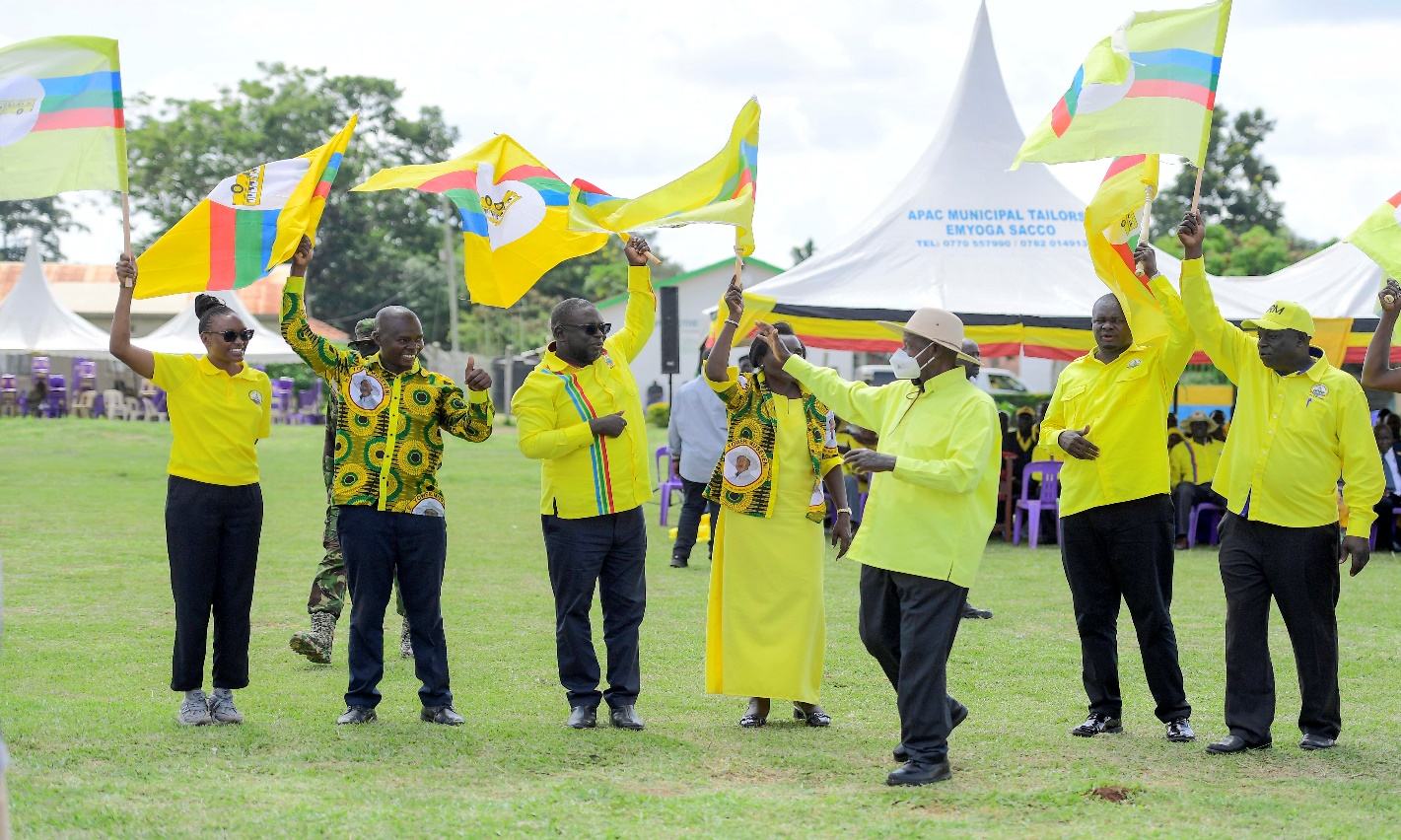
Across Uganda, the political atmosphere is vibrant, with rallies, posters, and campaign songs dominating public spaces. The ruling National Resistance Movement (NRM), the Forum for Democratic Change (FDC), the National Unity Platform (NUP), and other political groups have launched aggressive mobilisation drives.
In Kampala and major towns, NRM candidates held launch events focusing on themes of continuity, peace, and stability. Meanwhile, NUP candidates drew large youthful crowds, emphasising change, accountability, and governance reforms. In upcountry districts, candidates from various parties held community meetings and radio talk shows to outline their manifestos and engage directly with voters.
Independent candidates, who make up a significant number of the total aspirants, have promised to prioritise service delivery, transparency, and local empowerment without partisan influence.
Major issues shaping the campaign include unemployment, corruption, healthcare, education, and infrastructure development. In northern Uganda, post-war recovery and youth livelihood programs are key topics, while candidates in eastern and western regions are emphasising agriculture and rural development. Urban constituencies, particularly in Kampala, Jinja, and Mbarara, are witnessing intense debates over job creation, public transport, and affordable housing.
Political analyst Dr. Samuel Kasumba believes this campaign period reflects the growing diversity of Uganda’s political scene. “The surge in the number of candidates shows that more Ugandans want to take part in leadership and decision-making. It is a sign of an expanding democratic space,” he observed.
The Uganda Police Force has heightened security measures to ensure peaceful campaigns. Police spokesperson, Fred Enanga, said law enforcement will act against any form of violence or illegal assemblies. “Our role is to safeguard both the candidates and the voters. We encourage everyone to adhere to the campaign guidelines issued by the Electoral Commission,” he noted.
The EC has reminded candidates that all campaign activities must conclude 48 hours before Election Day to provide space for calm and voter preparation.
As the campaign trail heats up, Ugandans are expected to witness a mix of rallies, debates, and digital engagements, with many candidates using social media to reach younger voters. The Electoral Commission has urged all aspirants to embrace peaceful dialogue and focus on issue-based messages that contribute to national development.
With just weeks remaining before polling day, the race for parliamentary seats is shaping up to be a defining moment for Uganda’s political landscape, as the electorate prepares to choose the next generation of lawmakers.