

By Wakibi Iddi
Uganda is moving closer to strengthening control over its petroleum supply chain as President Yoweri Kaguta Museveni prepares to break ground on the Shs1.2 trillion Kampala Storage Terminal (KST) in Mpigi District on Thursday, September 17, 2026, a major project expected to expand the country’s fuel storage capacity and support the transition towards domestic oil refining.
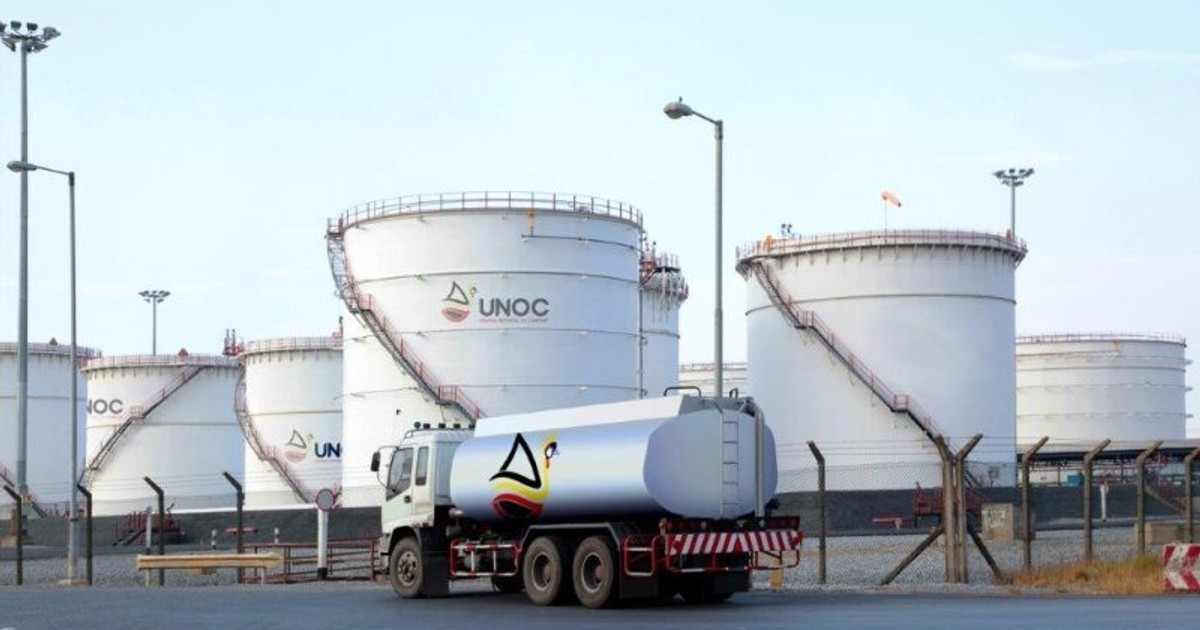
The US$309.7 million facility will be developed on about 300 acres at Namwabula, approximately 26 kilometres west of Kampala, and will have capacity to store up to 320 million litres of petroleum products. Uganda National Oil Company (UNOC), which will own and operate the terminal, says the facility will receive both imported and locally refined petroleum products for distribution to Kampala, the central region and other markets.
The project comes at a time when Uganda is seeking to strengthen the resilience of its petroleum supply amid disruptions in international markets. The country consumes more than 240 million litres of petroleum products each month, making additional storage capacity an important component of national energy security.
KST will complement existing facilities, including the Jinja Storage Terminal, as Government expands its capacity to maintain strategic petroleum reserves. The Jinja facility is also being expanded from about 30 million litres to 40 million litres as part of efforts to strengthen the country’s petroleum storage network.
The terminal will also serve as a key link between Uganda’s planned refinery at Kabaale in Hoima District and the main petroleum market. A 211-kilometre multi-products pipeline is planned to connect the refinery to the Namwabula facility, enabling refined products to be transported for storage and distribution.
Permanent Secretary in the Ministry of Energy and Mineral Development, Eng. Irene Bateebe, has said, ” Investment in petroleum infrastructure is central to strengthening Uganda’s energy security and reducing vulnerability to external supply disruptions.’’ The government is also pursuing additional storage and distribution infrastructure as it develops an integrated petroleum supply network.
The KST project will include the planned Mpigi Remote Refinery Terminal, which is expected to receive petroleum products transported from Hoima, store them and facilitate their distribution to domestic and regional markets.
The groundbreaking comes barely two weeks after President Museveni named Uganda’s crude oil Pearl Sweet, another milestone in the country’s preparations for commercial oil production.
During the naming ceremony, President Museveni reiterated the Government’s position that Uganda should refine its crude oil domestically, arguing that local refining would reduce costs associated with importing finished petroleum products.
“Our refinery will be one of the most profitable because, first of all, it’s far from the ocean and it does not have the transportation cost which imported oil has. When we refine our oil here, you don’t pay transit charges,” he said.
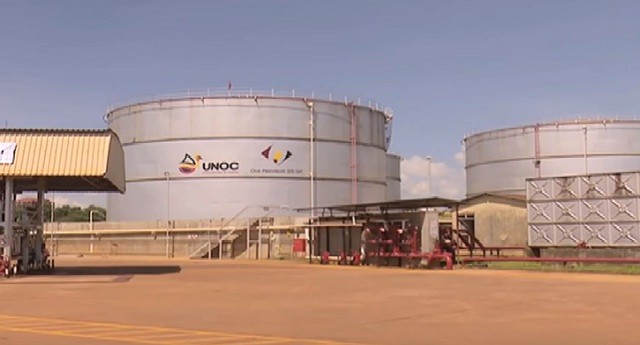
The Kampala Storage Terminal will therefore provide an important connection between Uganda’s emerging oil production, planned refining capacity and the petroleum market. Once completed alongside the associated infrastructure, it is expected to strengthen national fuel reserves and improve the country’s capacity to store and distribute petroleum products.
The project adds a critical link to Uganda’s emerging petroleum value chain, bringing the country closer to an integrated system in which locally produced crude can move from the oil fields to the refinery, through strategic storage and ultimately to consumers and regional markets.