
By Diana N. Kintu
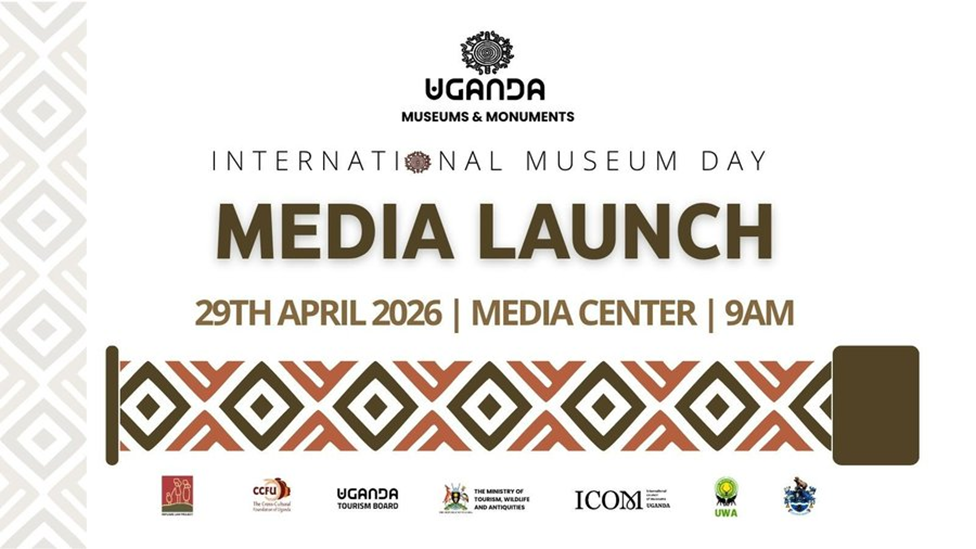
Uganda is set to join the global community in commemorating International Museum Day 2026 with national celebrations scheduled to take place in Jinja City on 18 May.
The annual event, organised under the auspices of International Council of Museums, will be marked under the global theme “Museums: Uniting a Divided World,” while Uganda will adopt the national theme “Museums as Bridges of Unity and Shared Heritage.”
In a statement issued by the Ministry of Tourism, Wildlife and Antiquities, officials noted that the selected themes reflect Uganda’s ongoing efforts to position culture as a vital tool for reconciliation, inclusivity, and sustainable development.
The commemoration is aligned with key global development priorities, particularly the United Nations Sustainable Development Goals (SDGs). These include promoting sustainable tourism under SDG 8.9, advancing peaceful and inclusive societies under SDG 16, and strengthening global partnerships under SDG 17.
According to the Ministry, museums are increasingly recognised as institutions that contribute to both cultural preservation and socio-economic transformation.
Uganda has also made notable progress in strengthening international cultural partnerships, resulting in the recent repatriation of several significant artefacts.
Among these are collections returned from the Cambridge Museum of Archaeology and Anthropology, items from the Karamojong collection of the late John Wilson in Kenya, and objects originally collected in the 1960s by Cor Blok in the Netherlands.
The Ministry revealed that a total of 43 repatriated artefacts will be unveiled to the public during the celebrations, some of which have been held abroad for more than five decades. Officials described the return of these items as a significant milestone in Uganda’s cultural diplomacy and heritage restoration efforts.
“Museums serve as safe spaces for dialogue, education, and reflection,” the statement noted, adding that such institutions are essential in fostering cooperation and peaceful coexistence among diverse communities.
In line with this vision, the government is prioritising the development of key historical and memorial sites across the country. These include the Barlonyo Memorial Museum, the Kabalega‑Mwanga site, and Fort Patiko, all of which are expected to promote unity, remembrance, and national identity.
Tourism continues to be identified as a key driver of Uganda’s economic growth, in line with Uganda Vision 2040 and the National Development Plan IV.
In 2024, the sector generated approximately USD 1.3 billion (UGX 5 trillion) and supported more than 800,000 jobs, highlighting its significant contribution to livelihoods and national development.
The Ministry further underscored the role of museums as centres of innovation, noting that cultural tourism has the potential to reduce poverty and create sustainable opportunities for communities across the country.
A series of activities has been organised in the lead-up to the main event. These include a public dialogue during the Third National Cultural Heritage Conference at Hotel Africana on 5 May, a Heritage Marathon in Kampala on 10 May, and schools’ heritage quiz competitions in Jinja from 14 to 15 May. Additional outreach programmes, exhibitions, and corporate social responsibility initiatives will take place in Jinja between 16 and 17 May.
The main celebration on 18 May will feature a ceremonial band march from the Uganda Railway Museum to the Jinja Rugby Grounds, bringing together stakeholders from across the cultural and tourism sectors.
The Ministry has invited members of the public to participate in the celebrations and take the opportunity to view the newly repatriated artefacts, reaffirming Uganda’s commitment to preserving its cultural heritage and strengthening its role in global cultural exchange.