

By Nakire Caroline
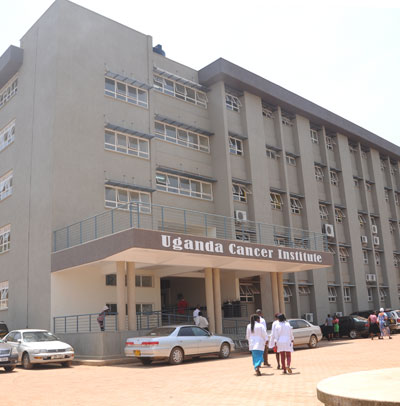
The Uganda Cancer Institute (UCI) has reported substantial progress in five-year survival rates for several key childhood cancers, a powerful testament to the impact of enhanced clinical care and heightened awareness efforts. More children with cancer are surviving than in previous years, crediting better diagnosis, streamlined treatment, and wider awareness for a measurable upswing in outcomes.
Speaking at the launch of Childhood Cancer Awareness Month, UCI’s head of paediatric oncology, Dr. Joyce Balagadde Kambugu, reported five-year survival figures that would have been unthinkable a decade ago for several common childhood cancers treated at the institute. Current UCI data show five-year survival of about 68% for Hodgkin’s lymphoma, 55% for Burkitt’s lymphoma, and 44% for Wilms tumour amongst children who access and complete treatment. These figures, officials said, demonstrate that “survival is real and possible in Uganda.”
UCI attributes its improved childhood cancer outcomes to earlier and more accurate diagnosis, strengthened by expanded pathology and imaging services and better referral pathways, which reduce delays to the first chemotherapy dose. Additionally, treatment standardisation, reliable pharmacy supplies, and community-focused initiatives like the “Gold” campaign and patient-navigation programs are helping families access care sooner, stay on treatment, and complete therapy.
Despite progress, too many children still never start or complete therapy. UCI and partner analyses continue to show high rates of treatment abandonment due to travel costs, lost income, and the stigma that surrounds cancer.
Earlier studies from UCI documented abandonment in around one-third of paediatric cases—an issue that continues to blunt survival gains at a population level. Global and regional snapshots from WHO likewise place overall childhood cancer survival in many low- and middle-income settings in the 20–40% range, underscoring how access barriers drive avoidable deaths.
Recent UCI-linked research highlights how late presentation and malnutrition complicate care and raise early mortality risk, making social and nutritional support as important as chemotherapy itself.
The improved five-year outcomes reported for Hodgkin’s lymphoma, Burkitt’s lymphoma, and Wilms tumour reflect what is achievable when children get specialised care and complete their regimens. A 2019 review of UCI cases showed far poorer survival across diagnoses, especially where disease stage at presentation was advanced and loss to follow-up was common. The new UCI figures suggest substantial gains within programs of care, even as countrywide survival will only rise when more children enter—and finish—treatment.
UCI leaders are calling for the scale-up of patient navigation and social support such as transport vouchers, accommodation, and nutrition packages to reduce treatment abandonment; the decentralisation of paediatric oncology services through regional cancer centres to bring care closer to patients; sustained financing for medicines and diagnostics to ensure uninterrupted treatment and protect families from catastrophic spending; and increased community awareness and early referral through health workers, schools, and media, since survival is highest when treatment begins promptly.
Childhood cancer is treatable, and survival in Uganda is improving—particularly for children who arrive early and complete care at UCI. The institute’s message this September is straightforward: recognise warning signs, seek care quickly, and stick with treatment. With growing clinical capacity and community support, more Ugandan children can expect not just to survive cancer, but to return to school and thrive.