

By Caroline Nakire
Forests play a critical role in mitigating climate change and supporting sustainable development. They provide essential ecosystem services, including carbon sequestration, water regulation, soil conservation, biodiversity protection, and climate regulation. As natural carbon sinks, forests absorb and store significant amounts of carbon dioxide, helping to reduce greenhouse gas emissions and combat global warming.
Despite their importance, Uganda’s forests continue to face significant threats from agricultural expansion, charcoal production, illegal logging, urbanization, and unsustainable land-use practices. According to Uganda’s Third National Voluntary Review (VNR) Report 2024, forest cover increased from 9.5% in 2015 to 13.3% in 2024. While this represents notable progress, the country still faces the challenge of achieving its target of 15% forest cover by 2026 under the National Development Plan III. These gains remain fragile and could easily be reversed if deforestation continues at current rates.
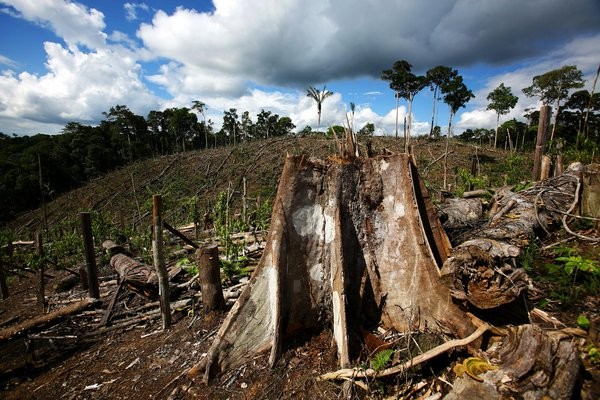
Current estimates indicate that more than 500,000 acres of forest are lost annually, equivalent to approximately 43 football fields every hour. Over the past three decades, Uganda has lost approximately 62.5% of its forest cover. If current trends continue, forests outside protected areas could disappear by 2050, with severe consequences for biodiversity, livelihoods, and climate resilience.
Global Forest Watch data shows that between 2001 and 2019, Uganda lost approximately 844,000 hectares of tree cover, representing an 11% decline since 2000. Deforestation has been particularly severe in districts such as Mukono, Mpigi, Luwero, Mubende, Kyenjojo, Kiboga, Hoima, Mbarara, and Gulu, which collectively account for more than half of the country’s forest loss. Rapid urbanization in several districts has further accelerated forest clearing as land is converted for housing, infrastructure, and commercial activities.
Climate change continues to exacerbate the challenges facing Uganda’s forestry sector. According to Uganda’s Second National Communication to the United Nations Framework Convention on Climate Change, climate change poses one of the greatest threats to sustainable development. Rising temperatures, prolonged droughts, changing rainfall patterns, and increased land degradation are placing additional pressure on already vulnerable ecosystems and communities that depend on natural resources for survival.
The consequences of deforestation extend beyond environmental degradation. Forest loss contributes significantly to greenhouse gas emissions and reduces the country’s ability to adapt to climate change. Uganda’s Agriculture, Forestry, and Other Land Use sector accounts for the largest share of national greenhouse gas emissions. Deforestation and forest degradation are major contributors to these emissions, with carbon dioxide released from forest conversion to agricultural land and other land uses. Net emissions from forest land increased substantially between 2005 and 2015, highlighting the urgent need for forest restoration and sustainable land management.
Forests and trees remain central to Uganda’s socio-economic development. They support agriculture, livestock production, energy supply, tourism, wildlife conservation, water resources management, and rural livelihoods. More importantly, forests help maintain environmental stability and provide critical ecosystem services that benefit both present and future generations.
Recognizing the importance of forests, the Government of Uganda has introduced several policy interventions, including the Uganda Green Growth Development Strategy and national afforestation programmes aimed at restoring degraded landscapes and promoting sustainable land use. These initiatives encourage private-sector investment in forest restoration, planting of indigenous tree species, and integration of agroforestry practices into agricultural systems.
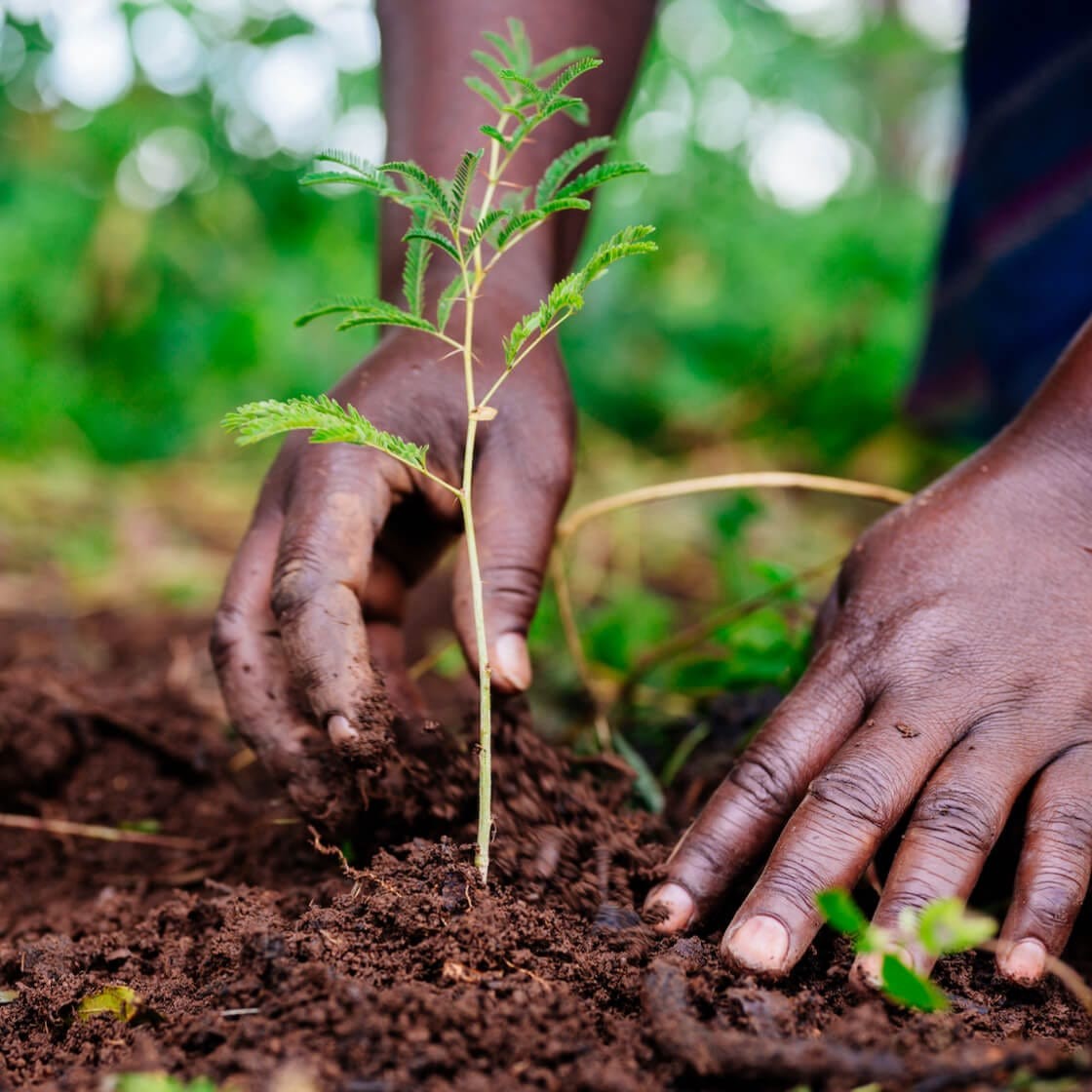
Agroforestry offers multiple benefits to communities, including improved food security, increased household incomes, provision of livestock fodder, enhanced soil fertility, and climate change mitigation through carbon sequestration. Community-based Forest restoration programmes also provide alternative livelihoods through activities such as eco-tourism, sustainable harvesting of forest products, and tree planting enterprises.
However, achieving meaningful progress will require stronger policy implementation, increased investment, and greater community participation. Local communities must be empowered to actively participate in planting, protecting, managing, and monitoring forest restoration initiatives. Partnerships among government institutions, private landowners, civil society organizations, and development partners will be essential in reversing forest degradation and building climate resilience.
The protection and restoration of forests therefore remains one of the most effective and practical climate action measures available to Uganda. Collective efforts by government, communities, the private sector, and development partners will be crucial in ensuring that forests continue to provide environmental, economic, and social benefits for generations to come.