

By Caroline Nakire
Kampala: The Government has urged the public to prepare for above-normal rainfall expected in several parts of Uganda from late September, as the country enters the September-December 2026 rainy season.
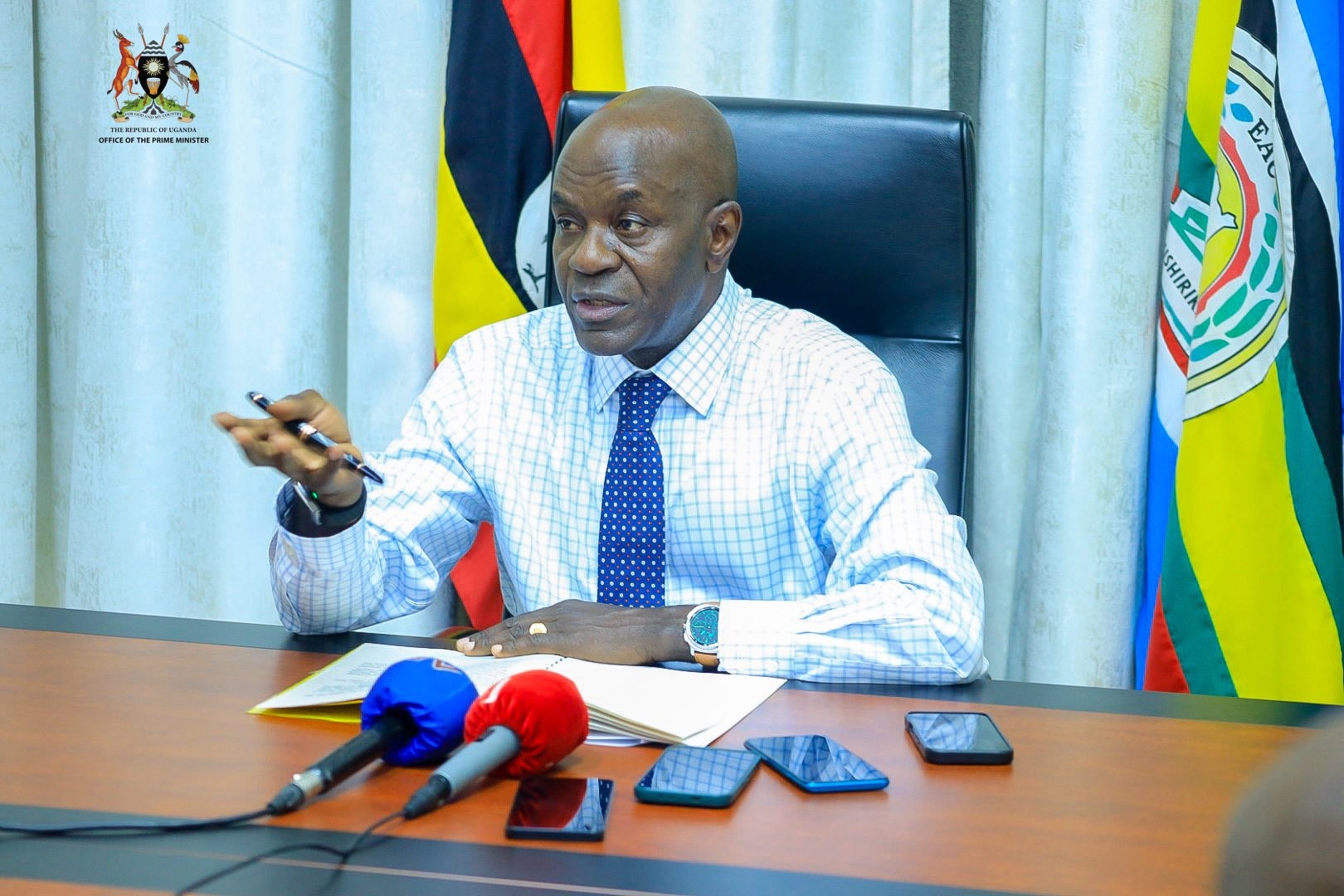
The warning was issued by the Permanent Secretary in the Office of the Prime Minister (OPM), Mr. Alex Kakooza, during a press briefing at OPM offices in Kampala.
He urged the public to take seriously information being provided by Government and to follow precautionary measures to minimise the impact of the anticipated rains.
According to OPM, the Ministry of Relief, Disaster Preparedness and Refugees has provided guidelines to help the public and local governments prepare and respond.
The Uganda National Meteorological Authority (UNMA) seasonal outlook indicates near-normal to above-normal rainfall across most parts of the country during the September-December season, with rains establishing from mid-to-late September and peaking between October and November.
Communities in flood-prone, low-lying and mountainous areas have been called upon to remain vigilant and adhere to guidance from authorities as monitoring continues.
Relief Food Distributed in KaramojaOn the Karamoja sub-region, Government confirmed successful completion of relief food distribution to hunger-affected communities in all districts.
The intervention, according to OPM, is part of the emergency response to food insecurity while long-term measures to strengthen resilience are being implemented.
Regarding the cattle restocking programme in Acholi, Lango and Teso, concern was raised over misuse of funds intended for the initiative.
The practice, OPM warned, could undermine efforts to restore livestock assets among targeted households.
Government allocated Shs80 billion to the programme in the initial phase, with a further Shs100 billion earmarked for the 2026/27 financial year. The programme targets eligible households to support acquisition of livestock and restoration of livelihoods.
OPM stressed the need for proper utilisation of funds, adherence to programme guidelines and stronger accountability to ensure public resources achieve their intended purpose and reach intended beneficiaries.