

By Wakibi Iddi
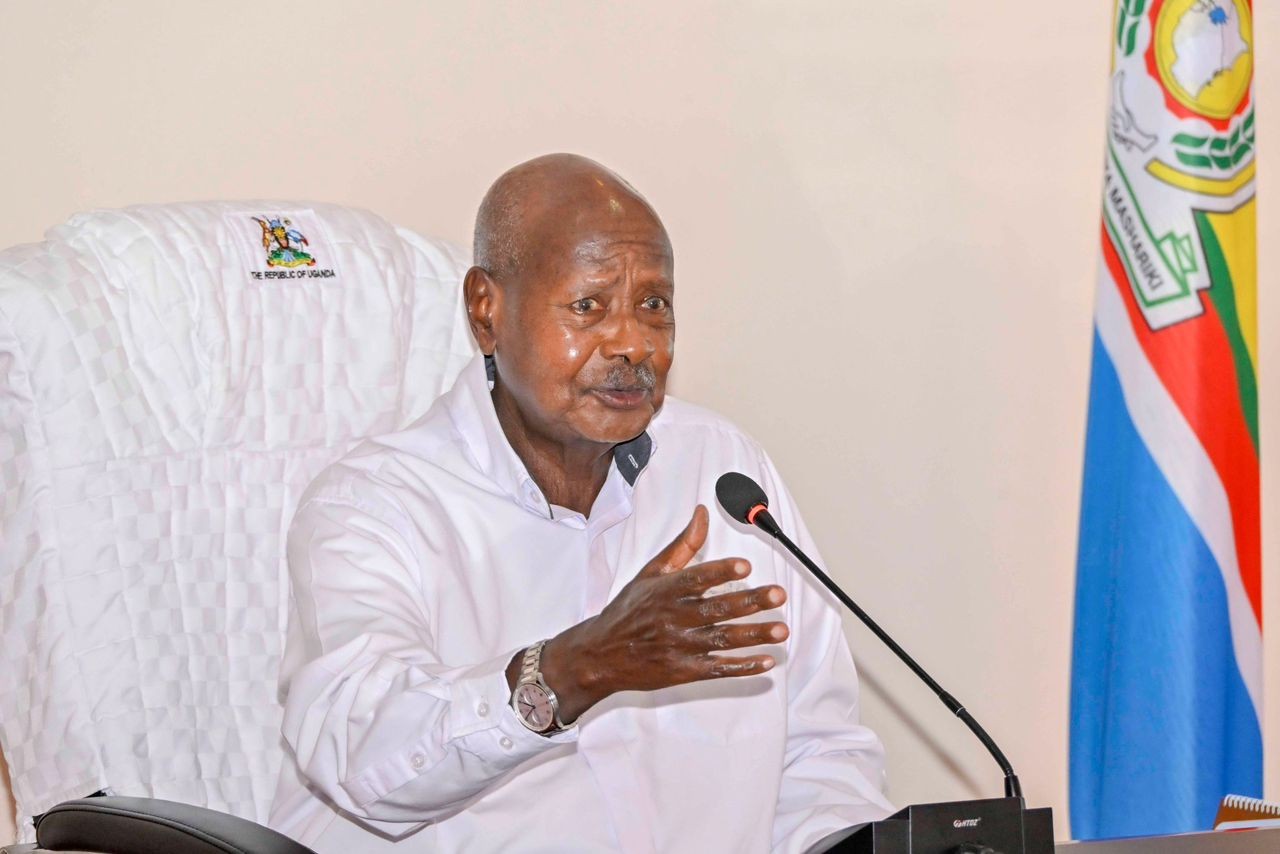
President Yoweri Kaguta Museveni has defended field inspections conducted by Hon. Barugahara and Hon. Nameere, saying the exercises are aimed at exposing corruption, misuse of public resources and failures in the implementation of government programmes.
In a statement addressed to Ugandans, particularly the Bazzukulu, the President said the frequency of reported corruption cases, coupled with what he described as impunity among some officials, requires government leaders to engage directly with citizens and closely monitor the delivery of public programmes.
“This is most unlikely. Why? It is on account of the impunity and frequency of the corruption occurrences and the unaccountable actors,” he said.
He recalled that during the recent campaigns, he interrupted his programme to respond to complaints from citizens concerning alleged corruption in the Parish Development Model and other government initiatives.
He also cited reports of the alleged sale of local government jobs, the existence of “ghost” learners and teachers in government schools, and irregularities at government health centres as examples of concerns requiring investigation.
According to the President, evidence gathered through field inspections should be assessed promptly and, where sufficient grounds exist, referred to the justice system for prosecution.
“The challenge now is for the DPP to have a dedicated officer that can quickly assess the abundant evidence against these criminals so that they are prosecuted,” he said.
He identified what he described as two major obstacles in the fight against corruption: alleged efforts by some officials to cover up wrongdoing and the reluctance of sections of the elite to report misconduct despite having access to government decision-making centres.
The President commended Hon. Barugahara and Hon. Nameere for taking their inspections directly to communities through Barazas, saying the public gatherings give citizens an opportunity to raise complaints and provide information that might otherwise be blocked by administrative structures.
“By going to the People directly in the form of Barazas (Public gatherings), they have by passed the blockade of the thieves manned by the responsible elements of the elite,” he said.
He also cited Hon. Byamukama as an example of a public official who reported suspected corruption. According to the President, Byamukama alerted him to an alleged extortion racket at State House, prompting an operation that resulted in the arrest of suspects.
“This corruption in Uganda is stoppable,” he said.
The President urged government officials to resist concealing corruption and called upon citizens to report suspected wrongdoing through appropriate channels.
“Do not cover up if you are a Government officer and report if you are a citizen,” he said.
He further recalled assigning former Minister Magyezi to follow up on corruption complaints raised by citizens. Although the former minister visited some of the affected areas, the President said decisive action did not appear to have followed.
He said the large crowds attending the current public inspections demonstrate that citizens remain willing to participate in efforts to combat corruption and demand accountability from public institutions.
The President compared the response to the Barazas with public meetings held during the early years of the National Resistance Movement, when citizens, according to him, voluntarily turned up in large numbers to participate in discussions about national affairs.
“We are back to the earlier NRM days when huge crowds would flock voluntarily to our public meetings,” he said.
He concluded by calling for stronger cooperation among citizens, government officials and accountability institutions, stressing that credible reports of corruption should be documented, investigated and, where evidence establishes wrongdoing, prosecuted through the justice system.
The remarks underscore the government’s call for greater citizen participation in identifying corruption and strengthening accountability in the delivery of public programmes.