
By Caroline Nakire
The Presidential Initiative on Skilling the Girl and Boy Child (PISGBC) is giving disadvantaged young people in Kampala an opportunity to acquire practical skills that can help them build livelihoods and pursue self-employment.
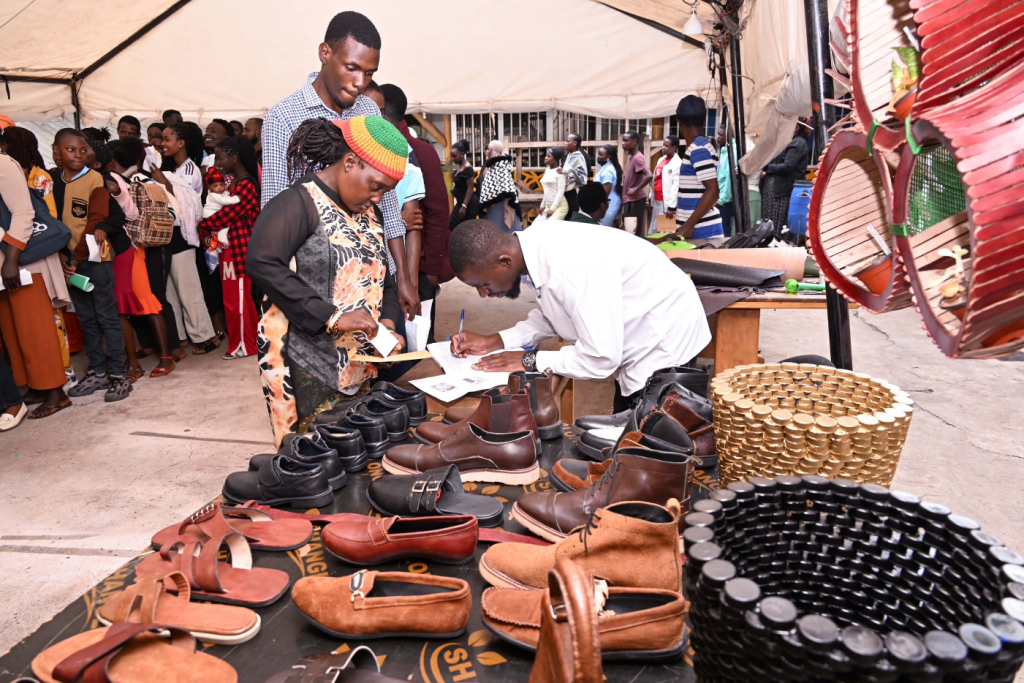
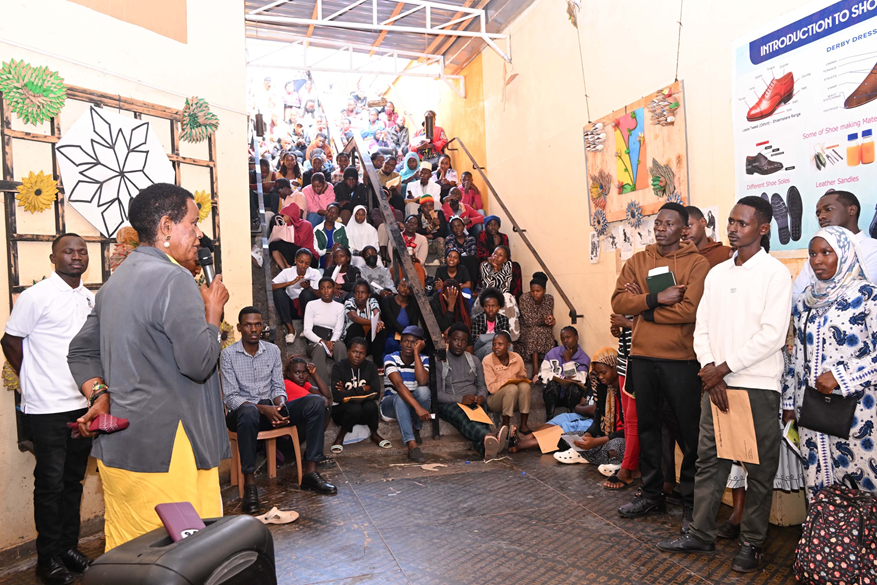
At the Subway Skilling Centre in Kampala, 350 students have enrolled for a six-month free vocational training programme, forming the centre’s eighth cohort. The beneficiaries are being trained in four vocational areas: bakery, weaving, knitting and shoemaking.
The programme targets young people who have limited opportunities to access formal education and employment, including school dropouts and youths from disadvantaged communities.
Through practical skills training, the initiative seeks to equip beneficiaries with abilities they can use to secure employment or establish their own income-generating activities.
The Presidential Initiative on Skilling the Girl and Boy Child was established by State House in 2017 under the directive of President Yoweri Kaguta Museveni to provide free vocational training to disadvantaged young people and create opportunities for self-reliance.
At the Subway Skilling Centre, the current cohort will undergo six months of practical and skills-based training in their respective areas of specialisation. At the end of the programme, the students will be assessed by the Uganda Vocational and Technical Assessment Board (UVTAB) before graduating.
The graduates will subsequently be encouraged to use the skills acquired to seek employment or establish small businesses, depending on their areas of training.
Ms Katushabe Stellamaris, Supervisor of the Subway Skilling Centre, said the programme deliberately reaches out to young people who have faced difficult circumstances and provides them with an opportunity to rebuild their lives.
“We target the unprivileged students, including those from the ghettos and school dropouts. Our aim is to give them a second chance so that they can live better and happier lives,” Ms Katushabe said.
She said the centre also provides breakfast and lunch to the students during the training period to enable them to concentrate on their studies.
According to Ms Katushabe, the support is particularly important for beneficiaries from disadvantaged backgrounds, as it helps them remain focused on acquiring the practical skills offered by the programme.
Ms Ronah Kamahoro Natukunda, Administrator of the Subway Skilling Centre, said the centre’s current capacity is limited to 350 students because of inadequate space and facilities.
She appealed for additional space and resources to enable the centre to accommodate more young people who are seeking opportunities to acquire vocational skills.
Ms Natukunda said the programme has had a positive impact on previous beneficiaries, with several graduates using the skills acquired at the centre to establish businesses and improve their livelihoods.
She commended President Museveni for supporting initiatives that provide disadvantaged young people with opportunities to acquire practical skills and pursue self-reliance.
“Many people have reformed and are now doing well because of these opportunities. We thank the President for helping the needy and those who had lost hope in life,” she said.
For the latest beneficiaries, the training provides an opportunity to acquire skills that can be applied beyond the classroom.
The students have expressed appreciation for the programme, noting that the vocational skills will help them pursue employment and self-employment after completing their training.
The four areas offered at the centre provide practical skills that can be applied in different income-generating activities. Bakery, for instance, can support small-scale food production, while weaving and knitting can provide opportunities in crafts and garment-related enterprises. Shoemaking similarly offers a practical skill that can be developed into a small business or used to seek employment.
As the eighth cohort begins its six-month training, the Subway Skilling Centre is seeking to expand its capacity so that more disadvantaged young people can benefit from the programme.
For the 350 students currently enrolled, the training marks the beginning of a new opportunity to develop practical skills, pursue employment or establish businesses and work towards greater economic independence.