

By Caroline N.
The Africa Climate Collaborative at Makerere University, an initiative supported by the Mastercard Foundation, has launched an inclusive Youth Skilling Programme aimed at equipping young people with practical, market-driven skills to create business opportunities while contributing to climate resilience.
The programme will begin with a pilot cohort of 50 young people drawn from Lwengo, Rakai and Yumbe Districts. These will form the first group of a planned 500 beneficiaries to be trained over the programme’s eight-year implementation period. The initiative targets young people who have completed at least Senior Four or its equivalent but have neither enrolled in nor completed university education.
The first cohort will receive intensive hands-on training across the poultry value chain, enabling participants to establish climate-smart enterprises, create employment opportunities and improve their livelihoods. Programme Director of the Africa Climate Collaborative, Prof. Gorettie Nabanoga, said the initiative was developed in response to the growing number of young people who are not in employment, education or training (NEET).
“We realised that there are many young people who never had the opportunity to attend university or pursue higher education, yet they constitute the majority of our population. We are intentionally creating pathways that enable them to acquire practical skills, participate meaningfully in the economy and secure dignified employment,” she said.
Applications are now open to eligible young people residing in Lwengo Sub-county in Lwengo District, Ddwaniro Sub-county in Rakai District, Zone 5 of the Bidibidi Refugee Settlement, and Ariwa Sub-county in Yumbe District. According to Prof. Nabanoga, these locations were deliberately selected because they are among the areas most vulnerable to the effects of climate change, particularly within Uganda’s agropastoral landscape. She further explained that the programme seeks to nurture young entrepreneurs who will drive enterprise development within their communities.
“The training will equip participants with practical skills that enable them to develop innovative solutions to climate-related challenges while protecting the environment. Ultimately, they will generate income, improve their livelihoods and become catalysts for local economic transformation.”
Why poultry?
The Africa Climate Collaborative selected the poultry value chain as the entry point for the pilot because it presents numerous opportunities for entrepreneurship, innovation and employment. According to Prof. Nabanoga, participants will specialise in different components of the value chain, including feed production, hatchery management, poultry production, value addition and poultry waste management.
“The poultry sector offers numerous opportunities for innovation. By developing expertise across different components of the value chain, these young people will collectively strengthen the entire poultry ecosystem.”
Environmental sustainability remains central to the programme. Participants will be introduced to climate-smart production practices, resource-efficient technologies and innovative approaches to poultry waste management that minimise environmental impact while improving productivity. The trainees are also expected to become community resource persons who will share their knowledge and skills with other young people.
“These young people will become trainers of trainers. When they return to their communities, they will establish enterprises and mentor others, creating a critical mass of youth engaged in climate-smart businesses,” she added.
District leaders welcome the initiative
District leaders have welcomed the programme, describing it as a timely intervention to address youth unemployment. Francis Bwowe, Senior Agricultural Officer for Rakai District, said the closure of Primary Teachers’ Colleges and the rising cost of post-secondary education had left many young people with limited opportunities.
“Many young people who complete Senior Four have nowhere to go. A programme that equips them with practical skills to start their own businesses is therefore extremely important. We believe it will help them become self-reliant and earn a living,” he said.
Furthermore, the community leaders also expressed optimism about the programme’s potential to transform livelihoods. George Kizito, LCII Chairperson of Kalere Parish in Rakai District, said unemployment remains one of the biggest challenges affecting young people.
“The opportunities exist, but many young people lack the capacity and confidence to create jobs for themselves. In our community, people involved in poultry farming are earning good incomes, yet many young people simply watch because they do not know where to begin.”
Acclaim for the initiative is however not limited to community leaders alone but has also technical experts. Responding through one of the Africa Climate Collaborative’s social media platforms, Nehwera Eufemia, an animal feeds specialist, welcomed the programme’s decision to prioritise feed production.
“Feed accounts for nearly 70 per cent of poultry production costs and is the single most important factor influencing profitability. Strengthening skills in feed production provides a strong foundation for improving productivity and sustainability across the entire poultry value chain.”
She encouraged eligible young Ugandans to apply and take advantage of the opportunity. Eligible applicants must be between 18 and 35 years of age, have completed at least Senior Four or its equivalent, and must not have enrolled in or completed university education. Applicants should also not be engaged in formal employment or training. Young women, young mothers, refugees and persons with disabilities are strongly encouraged to apply.
Applications are available free of charge through the Africa Climate Collaborative’s online application portal. Applicants may also obtain or submit forms through designated district offices in Lwengo, Rakai and Yumbe.
Applications close on Thursday, 9 July 2026, at 5:00 p.m. Only shortlisted applicants will be contacted for the next stage of the selection process.
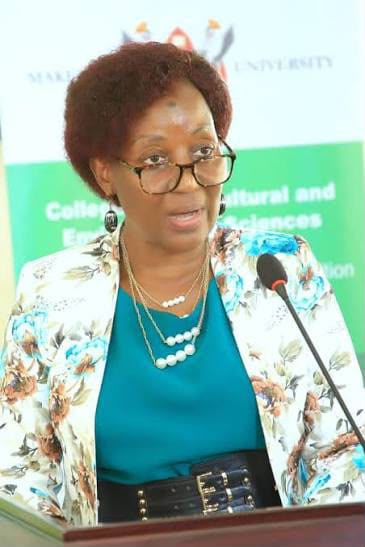
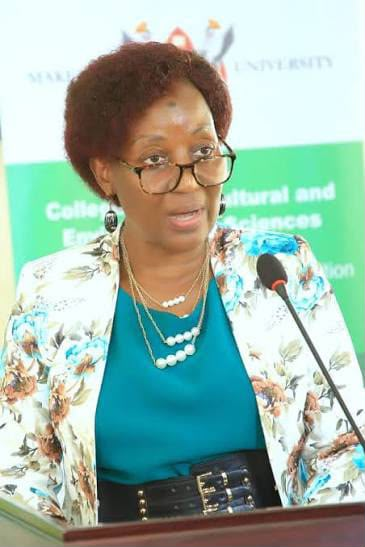
Prof. Gorettie Nabanoga, Programme Director of the Africa Climate Collaborative at Makerere University