

By Diana N.Kintu
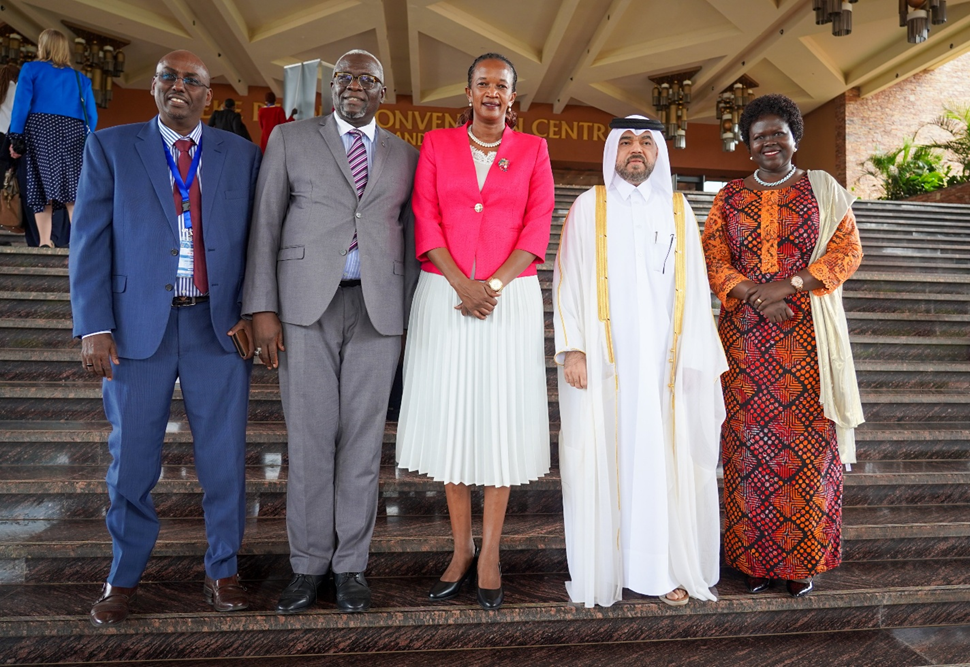
The 7th Regional Ministerial Forum on Migration has officially opened under the theme: “Harmonising Labour Migration Policies in East and Horn of Africa: A United Approach to Safe, Regular and Human Labour Migration.”
The forum has brought together ministers, policymakers, and technical experts to identify opportunities for collaboration with destination countries, including member states of the Gulf Cooperation Council, as well as Jordan and Lebanon.
The discussions are aimed at strengthening regular labour mobility pathways, improving skills matching, enhancing employment opportunities, and safeguarding the rights of migrant workers.
This year’s forum is centred on skills mobility, job creation, and expanded cooperation with Gulf States and other international partners.
Officials noted that as regional labour markets continue to evolve and new employment opportunities emerge, coordinated action remains essential in building partnerships that deliver mutual benefits.
Participants are also reviewing progress made in implementing the Global Compact for Migration within the East and Horn of Africa region. They are exploring strategies to accelerate implementation ahead of the second International Migration Review Forum scheduled for 2026.
Officials emphasised that stronger cooperation with GCC member states, Lebanon, and Jordan presents an opportunity to improve skills matching, streamline recruitment processes, and support well-managed labour migration systems.
They noted that the dynamic economies of these countries, coupled with large-scale development projects and growing demand for skilled labour, offer significant opportunities for mutually beneficial labour mobility arrangements.
Migration continues to be a defining feature of the East and Horn of Africa region, which is home to approximately 6.2 million international migrants—nearly a quarter of Africa’s total migrant population.
Labour mobility in the region is largely driven by demographic trends, a youthful workforce, and expanding employment opportunities. Demand for low- and medium-skilled workers continues to rise, with the Eastern Route remaining one of the most frequently used migration corridors.
Officials also highlighted the growing impact of climate-related challenges such as food insecurity and water scarcity, which continue to influence migration patterns across the region.
The forum is expected to conclude with renewed commitments to strengthen regional cooperation, align labour migration policies, and ensure the welfare and protection of migrant workers across both regions.