

By Damali Mukhaye
The Court of Appeal of Uganda will on Tuesday, 31 March 2026, hold a one-day weed-out session in Kampala to dispose of dormant criminal appeals that can no longer proceed, as part of efforts to streamline its case backlog and enhance efficiency in the administration of justice.
According to a circular issued by the court registrar, Allen Rukundo Owembabazi, the session will handle 26 criminal appeals that have accumulated over time but have since been rendered inactive due to various circumstances affecting the appellants.
Of the cases scheduled for review, three involve appellants reported to have escaped from custody, while thirteen relate to individuals who have already completed their sentences and been released. Eight of the appeals concern appellants who are now deceased, and two matters have formally been withdrawn.
Court officials say the exercise is intended to determine the proper status of each case and remove those that are no longer viable, thereby freeing up judicial time and resources for active matters.
“This exercise is aimed at ensuring that only viable appeals remain on the Court’s docket, which is essential for efficient case management and timely justice delivery,” Owembabazi noted in the circular shared on the Judiciary’s official communication platforms.
The session is expected to bring together key stakeholders within the justice sector, including representatives from the Uganda Prisons Service, the Office of the Director of Public Prosecutions, members of the Bar, and affected appellants where applicable.
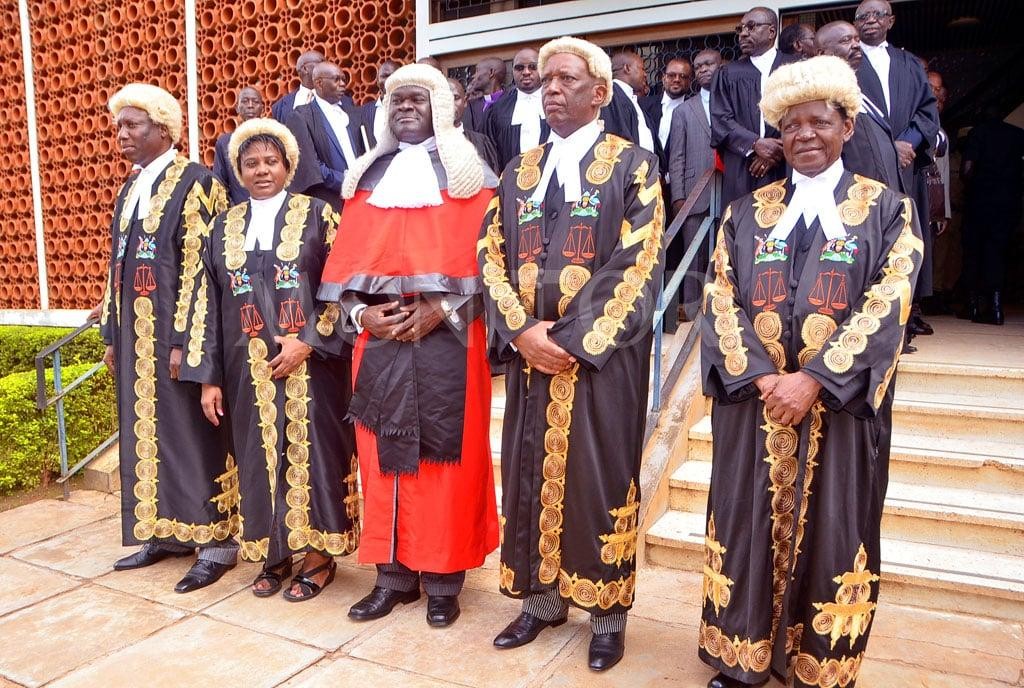
Proceedings will be presided over by a panel of three justices: Geoffrey Kiryabwire, Moses Kazibwe Kawumi, and Stella Alibateese.
Details from the cause list indicate that aggravated defilement cases constitute the largest portion of the appeals set for consideration, accounting for thirteen matters. Murder and aggravated robbery each account for six appeals, while one appeal arises from a rape conviction. The cases were filed over a twelve-year period, between 2010 and 2022, reflecting the long-standing nature of some of the backlog challenges.
Legal observers note that such weed-out sessions are critical in ensuring that court records accurately reflect active disputes, particularly in criminal matters where changing circumstances—such as completion of sentences or death of appellants—can render appeals moot.
Owembabazi emphasised that by reviewing and removing cases that have effectively been overtaken by events, the court is reinforcing its commitment to a more responsive and effective justice system.
The initiative forms part of broader efforts by the Judiciary of Uganda to address case backlog, a persistent challenge that has historically affected the timely resolution of cases across the country.
Backlogs in appellate courts often arise due to a combination of factors, including limited judicial personnel, procedural delays, and the complexity of cases. In criminal appeals, the situation is further complicated when appellants lose interest in pursuing their cases, escape from custody, or are no longer available due to death.
In response, the Judiciary has in recent years adopted several administrative and procedural reforms aimed at improving efficiency. These include periodic case audits, digitisation of court records, and targeted sessions such as weed-out exercises designed to clear inactive cases.
Such interventions are increasingly viewed as essential to strengthening public confidence in the justice system by ensuring that courts focus on live disputes and deliver timely outcomes.
Tuesday’s session is therefore expected not only to reduce the court’s caseload but also to contribute to a more efficient appellate process, reinforcing the role of the Court of Appeal as both an intermediate appellate court and a key pillar in Uganda’s justice system.