

By Damali Mukhaye
The Ministry of Health (MOH) has strongly dismissed claims circulating on social media alleging an outbreak of the deadly Nipah virus in Uganda, describing the reports as false and misleading.
In a press release issued on February 3, 2026, the Ministry clarified that Uganda has not registered any cases or outbreaks of the Nipah virus and urged the public to disregard unverified information that could cause unnecessary panic.
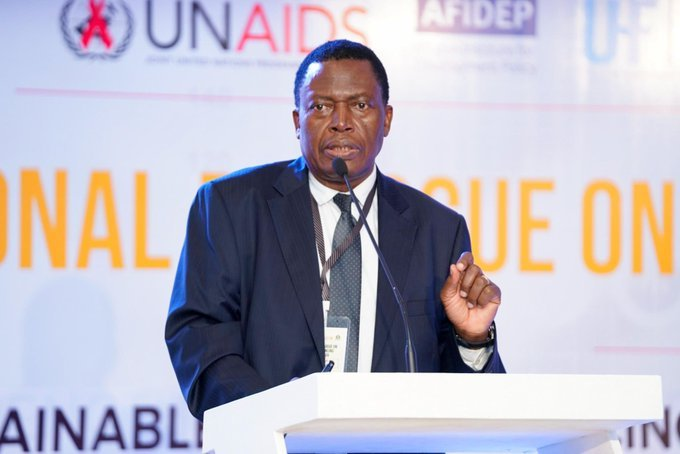
“The Ministry of Health informs the public, partners, and the international community that a video circulating on social media alleging an outbreak of Nipah virus in Uganda is false,” said Dr. Charles Olaro, the Director General of Health Services.
The information from the MOH followed a video circulating on various social media platforms, alleging an outbreak of Nipah Virus in the country.
According to the Ministry, Uganda’s disease surveillance and response systems remain fully operational and have detected no signals suggestive of the virus.
Dr Olaro explained that these systems include event-based surveillance, community reporting structures, and the national laboratory network.
“To date, no alerts, samples, or laboratory results suggestive of Nipah virus have been received or confirmed,” Dr. Olaro stated, reaffirming the country’s preparedness and vigilance against any emerging public health threat.
Nipah virus is a rare but serious zoonotic disease that can be transmitted from animals to humans and, in some cases, from person to person.
The virus is known to cause severe respiratory illness and inflammation of the brain, with a high fatality rate in past outbreaks reported elsewhere in the world.
Despite the seriousness of the disease, the Ministry emphasised that there is currently no cause for alarm in Uganda.
Officials warned that spreading misinformation could undermine public confidence and disrupt ongoing health interventions.
“The public is advised to disregard the circulating video and avoid sharing unverified information. Misinformation can generate unnecessary fear, cause panic, and undermine ongoing public health efforts.” Dr Olaro said.
The Ministry further reassured Ugandans that it continues to work closely with national, regional, and international partners to monitor, detect, and respond to priority diseases.
Any verified public health threat, the Ministry noted, would be promptly communicated through official channels.
“Ugandans should be assured that the Ministry has a strong capacity for detecting and responding to public health emergencies. This capacity has been built over many years through trained responders, established rapid response systems, and access to medical countermeasures.”Dr Olaro said.
According to the World Health Organization, the virus can spread through direct contact with infected animals, particularly fruit bats, which are the natural hosts or by consuming food contaminated with bat saliva, urine, or droppings.
Human-to-human transmission can occur through close, unprotected contact with an infected person.
People may be at higher risk if they consume fruits or fruit juices contaminated by bats, handle infected animals, or have close contact with an infected individual.
Early symptoms of the disease may include fever, headache, muscle pain, vomiting, and sore throat.
In severe cases, symptoms can progress to dizziness, drowsiness, confusion, and acute encephalitis.
The Ministry advised the public to take simple preventive measures, including thoroughly washing and peeling fruits before consumption, washing hands with soap and water before eating and after handling animals, and avoiding fruits that appear bitten or contaminated by bats.
The use of protective coverings or netting on fruit trees was also recommended to prevent contamination.
Currently, there are no specific antiviral drugs or vaccines approved for the treatment of Nipah virus infection.
According to Dr Oralo, management focuses on intensive supportive care to address respiratory or neurological complications.
The Ministry urged anyone who suspects exposure or experiences symptoms consistent with Nipah virus infection to seek prompt medical attention.
As Uganda continues to strengthen its public health systems, the Ministry reiterated its commitment to transparency and timely communication, calling on the public to rely only on official sources for health information.
According to the World Health Organisation (WHO), Nipah virus (NiV) is a serious zoonotic virus that can cause severe disease in humans, characterized by acute respiratory illness and fatal encephalitis (brain swelling), with a high case fatality rate estimated by the by WHO to be between 40% and 75%
It was first identified in 1998 during an outbreak among the pig farmers in Malaysia.