

By Diana N. Kintu
Construction of the Karamoja Museum and Cultural Centre in Moroto District is nearing completion, with works now estimated at between 85 and 87 per cent.
Once finished, the facility will become the first museum in the Karamoja sub-region, dedicated to preserving and showcasing the rich cultural heritage of the Karamojong people. The project is expected to play a significant role in promoting cultural tourism and safeguarding indigenous traditions.
Strategically located at the foot of Mount Moroto, the museum is being implemented by the Ministry of Tourism, Wildlife and Antiquities as part of broader government efforts to promote heritage conservation and diversify Uganda’s tourism offering.
Julius Mboggo, representing the project contractor, Advanta Uganda Limited, confirmed that construction has entered its final phase.
“We are in the advanced stages of construction, currently at about 85 per cent completion. What remains now are the finishing works. This project was initiated because Karamoja had no museum despite its rich cultural heritage,” he said.
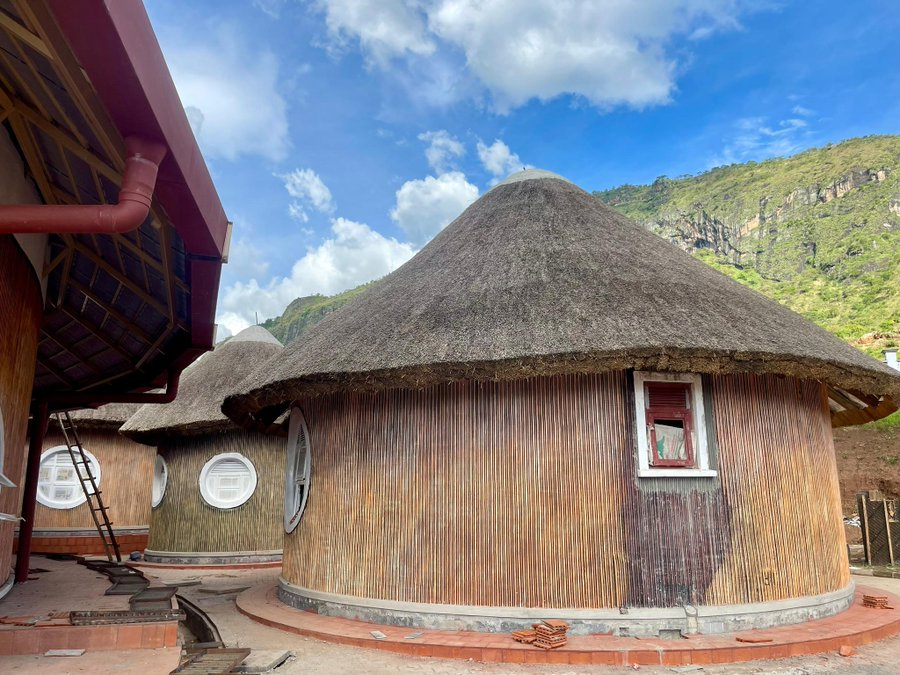
Mboggo noted that the design of the museum reflects the traditional manyatta architectural style, ensuring cultural authenticity while meeting modern construction standards. He explained that elements of the structure have been carefully modelled to replicate the traditional homesteads of the Karamojong people.
“We have incorporated features that mirror the manyatta style of building, preserving the identity of the Karamojong while maintaining contemporary standards,” he added.
During a recent field visit, Uganda Media Centre representative Obed Katureebe described the project as a milestone in preserving Uganda’s cultural diversity.
“The museum will provide a unique space to preserve and showcase Karamojong culture, which is shared across several communities in Africa. It will offer both Ugandans and international visitors an opportunity to study and appreciate this heritage,” he said.
Katureebe further emphasised the importance of documentation, noting that the Karamoja sub-region is undergoing significant social and economic transformation.
“Karamoja is transitioning from largely traditional lifestyles to more settled ways of living. Establishing a museum ensures that future generations will still be able to understand and appreciate the region’s cultural roots,” he added.
Once completed, the museum will host a range of collections, including archaeological, ethnographic, and natural history exhibits. These will feature traditional tools, artefacts, and fossils that have been discovered in the region over the years, offering a comprehensive narrative of Karamoja’s past and present.
Officials believe the facility will serve as a key cultural hub, attracting both domestic and international visitors. It is also expected to stimulate local economic activity through increased tourism, while positioning Karamoja as an emerging cultural destination in Uganda.