

By Diana N. Kintu
The Amnesty Commission has granted amnesty to more than 28,340 Ugandans who have engaged in armed rebellion against the government since 1986, marking a significant milestone in the country’s ongoing peace and reconciliation efforts.
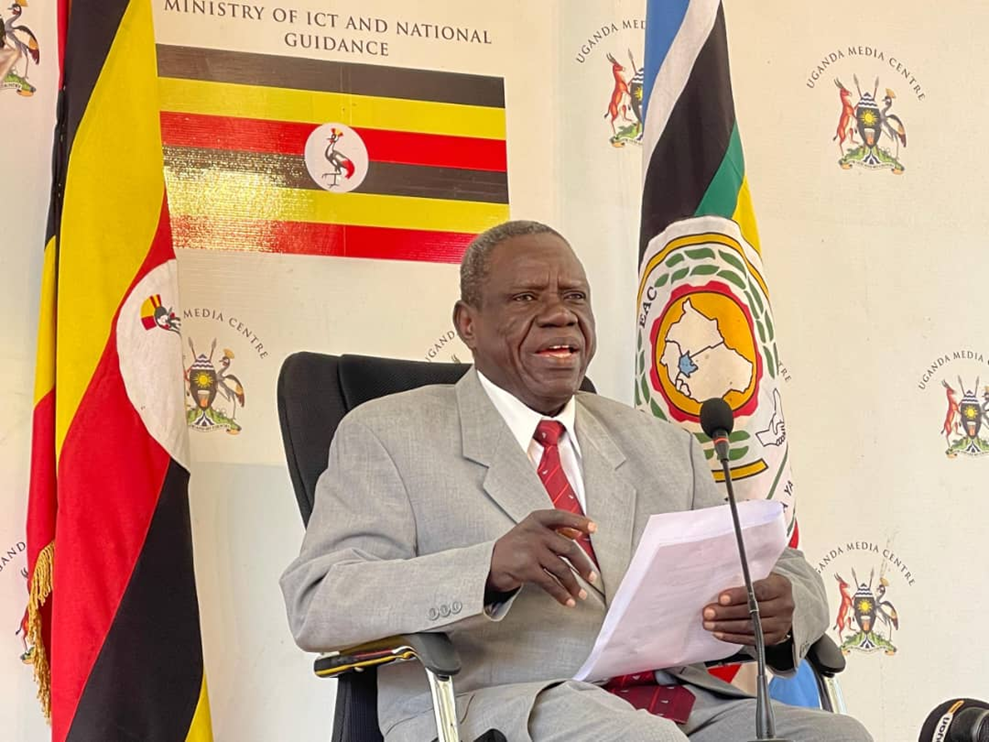
Speaking during a press briefing, Justice Peter Onega, Chairperson of the Commission, said the beneficiaries include former combatants, collaborators and supporters of various insurgent groups that operated across different regions of the country.
According to the Commission’s records, the largest number of beneficiaries originates from the Lord’s Resistance Army (LRA), with 13,605 former fighters granted amnesty under the demobilisation programme. The LRA waged a prolonged insurgency in northern Uganda, leaving thousands displaced and communities devastated.
The West Nile Bank Front (WNBF) accounts for 6,580 former combatants who have since renounced rebellion and benefited from the amnesty process. Meanwhile, 3,250 members of the Uganda National Rescue Front II (UNRFII) have also been pardoned.
Justice Onega further revealed that 2,764 individuals formerly associated with the Allied Democratic Forces (ADF) have been processed under the amnesty framework. In addition, 2,140 other reporters — as former rebels are officially designated under the Amnesty Act — came from 26 smaller rebel groups that are now defunct.
“Demobilisation is the process of releasing someone from armed service to start a new life as a civilian,” Justice Onega explained, noting that the programme seeks not only to pardon but also to rehabilitate and reintegrate former insurgents into society.
Since its establishment, the Commission has resettled 24,003 reporters by providing them with basic household items and agricultural tools to facilitate their return to civilian life. A further 25,337 have undergone reintegration support through vocational skills training in carpentry, tailoring, agriculture, soap-making and bicycle repair. These initiatives are intended to equip beneficiaries with practical skills to earn a livelihood and reduce the risk of recidivism.
Beyond material and vocational support, the Commission has also prioritised dialogue and reconciliation. Justice Onega cited the 2002 peace talks with UNRFII, which resulted in the demobilisation of 2,500 fighters in the West Nile sub-region, as a notable example of negotiated settlement efforts.
Public sensitisation on the provisions of the Amnesty Law remains ongoing, the Commission said. Outreach initiatives include radio programmes, community workshops and visits to prisons to inform eligible individuals about the opportunity to renounce rebellion and benefit from state protection.
However, Justice Onega acknowledged that significant challenges persist. These include the stigmatisation of returnees by communities, physical disabilities sustained during conflict, and psycho-social trauma among former combatants. The Commission is also grappling with a backlog of 3,001 reporters awaiting reintegration support and 4,337 yet to be resettled.
The Commission has appealed to Ugandans still affiliated with the ADF and LRA to lay down their arms and seek amnesty. Those outside the country may formally renounce insurgency through Ugandan diplomatic missions or international organisations working in collaboration with the Government.
Regional offices in Gulu, Arua, Kitgum, Mbale, Kasese and Kampala remain operational to handle demobilisation, resettlement and reintegration processes.
Justice Onega reaffirmed the Commission’s commitment to promoting peace, national unity and reconciliation, urging communities to support returnees as they rebuild their lives and contribute positively to society.