

By Diana N. Kintu
The Ministry of Water and Environment has issued a weather advisory warning of heavy rainfall and an increased risk of flash floods across several parts of the country between 19 and 28 February 2026.
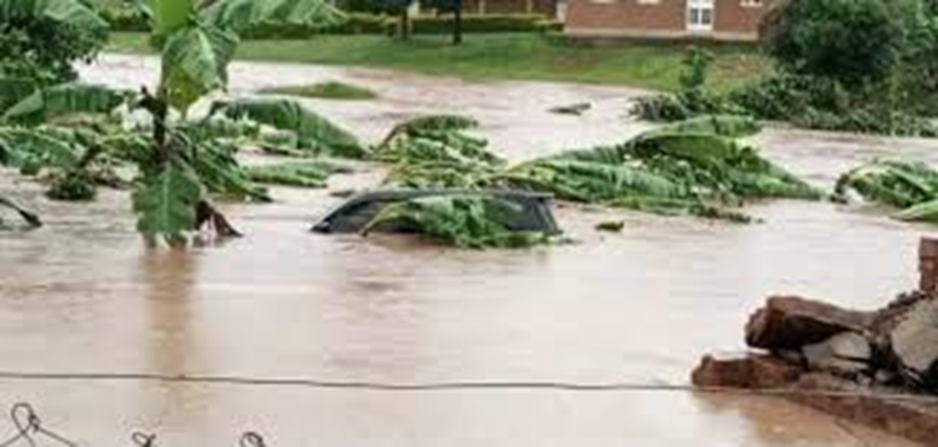
In a statement released on Wednesday, the Ministry cautioned that the anticipated rainfall may trigger flash floods, urban flooding, landslides, mudslides and strong winds, particularly in low-lying and mountainous areas.
The Permanent Secretary, Dr Alfred Okot Okidi, attributed the ongoing rainfall to the influence of the Madden–Julian Oscillation (MJO) combined with high-pressure systems over southern Africa, which have pushed the rain belt northwards into Uganda.
“The ongoing rainfall is expected to persist, with relaxation towards the end of February,” Dr Okidi explained, noting that weather patterns are being closely monitored to assess any changes in intensity or coverage.
According to the advisory, enhanced rainfall is expected in Western Uganda, the Lake Victoria Basin in Central Uganda and parts of Eastern Uganda. Particular concern has been raised for the Elgon and Bukedi sub-regions, where heavy downpours could heighten the risk of landslides and flash floods.
The Kigezi sub-region is also likely to receive occasional heavy showers towards the end of the month, increasing the possibility of mudslides in the highland districts. Meanwhile, Northern Uganda is forecast to experience moderate and isolated rainfall, with lower risk levels compared to other regions.
The Ministry warned that flood-prone areas may experience sudden flash floods, while urban centres — including the capital, Kampala — could face temporary flooding due to overwhelmed drainage systems. Residents living near wetlands, riverbanks and steep slopes have been advised to remain particularly vigilant.
Communities in the Mount Elgon and Kigezi highland areas have been urged to watch for early warning signs of landslides, such as visible soil cracks, tilting trees, rumbling sounds or sudden changes in water flow. The Ministry advised residents to report any such indicators to local authorities or the National Emergency Coordination Centre (NECOC) without delay.
As part of preparedness measures, households have been encouraged to clear and unblock drainage channels around homes and public spaces to reduce the risk of flooding. Motorists and pedestrians have been cautioned against attempting to cross flooded roads or bridges, as water levels and currents may be deeper and stronger than they appear.
Farmers have been advised to take advantage of the rainfall to prepare gardens for early planting of food crops and fruit trees. However, they have also been urged to implement soil conservation measures in hilly areas to minimise erosion and nutrient loss.
The advisory further recommends that households secure loose roofing materials and outdoor structures to prevent damage from strong winds. During thunderstorms, members of the public are advised to avoid sheltering under isolated trees or near tall metallic structures due to the risk of lightning strikes.
The Ministry described the notice as a “Be Prepared” alert, emphasising the need for proactive action to safeguard lives and property. It stressed that early preparedness and community vigilance are critical in minimising the impact of extreme weather events.
The Office of the Prime Minister, working together with the Department of Meteorological Services, will continue to monitor weather conditions and provide timely updates to the public.
Authorities have called on district disaster management committees, local leaders and community groups to remain on standby and coordinate response efforts where necessary, as Uganda enters a period of heightened rainfall activity.