
By Diana N. Kintu
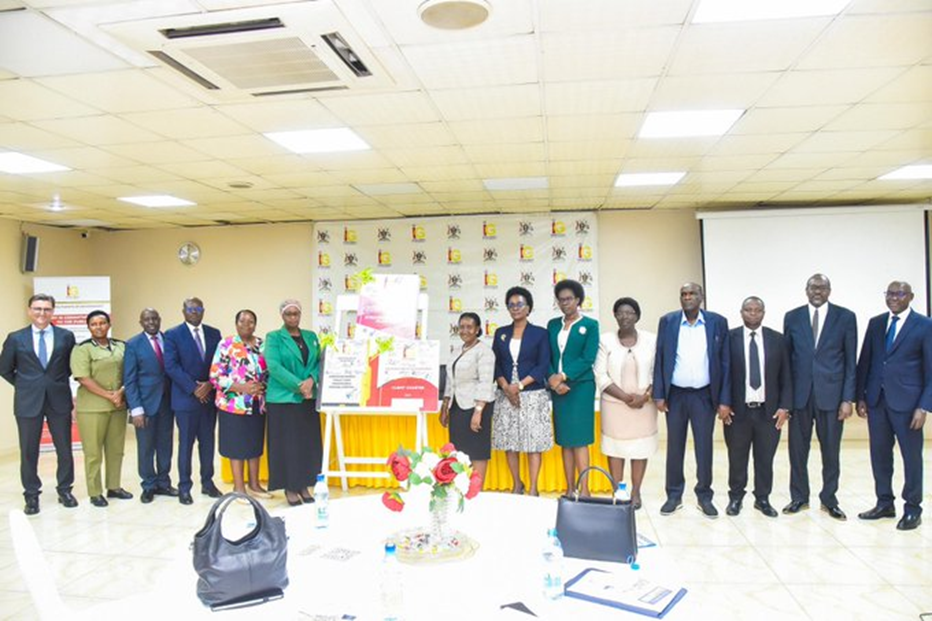
The Inspectorate of Government (IGG) has unveiled its 2025/26–2029/30 Strategic Plan, outlining an ambitious roadmap to strengthen accountability, combat corruption and enhance service delivery across Uganda’s public sector.
The five-year framework, launched at a high-level event attended by senior government officials and stakeholders, is designed to reinforce transparency and integrity in public administration while aligning anti-corruption efforts with Uganda’s broader national development agenda.
Speaking at the launch, Lady Justice Naluzze Aisha Batala, Inspector General of Government, described the Strategic Plan as more than a routine policy document. She characterised it as a firm declaration of intent to confront corruption with renewed resolve and institutional clarity.
“The Strategic Plan we are launching today is deliberately designed to make a significant contribution to addressing corruption and is fully aligned with Uganda Vision 2040, the Tenfold Growth Strategy, the Fourth National Development Plan, and the NRM Manifesto 2026–2031,” she said. “This Plan sets a clear and uncompromising direction to strengthen institutional resilience, enforce accountability without fear or favour, restore and sustain public trust in government systems, and deliver measurable anti-corruption outcomes.”
The alignment with key national frameworks signals the Government’s intention to ensure that anti-corruption interventions directly support socio-economic transformation. Uganda Vision 2040 and successive National Development Plans place strong emphasis on good governance as a prerequisite for sustainable growth, investment and improved public services.
Mr Robert Lugolobi, Director of Anti-Corruption at the Inspectorate, outlined six strategic objectives that will guide implementation of the plan over the next five years. These include fostering citizen participation in the fight against corruption, strengthening prevention and detection mechanisms, enhancing investigation and prosecution processes, enforcing the Leadership Code of Conduct, ensuring compliance with laws and regulations, and building the institutional capacity of the IGG to effectively deliver its mandate.
According to Mr Lugolobi, citizen engagement will be central to the strategy. The Inspectorate intends to empower communities to report wrongdoing and demand accountability, recognising that public vigilance is a critical tool in deterring corruption.
Mr Farouk Kayondo, Supervisor of Strategic Partnerships and Public Relations, highlighted commitments contained in the new Client Charter, which sets service standards for the institution. These commitments include effective complaint management systems, timely prevention and investigation of corruption cases, provision of legal advice and prosecution services, recovery of illicitly acquired assets, enforcement of the Leadership Code Act, and ensuring transparency in government-funded projects.
He further noted that the IGG will intensify public awareness campaigns and deepen stakeholder engagement to mobilise citizen support in what he described as a collective national effort against corruption. By strengthening partnerships with civil society, the private sector and local governments, the Inspectorate aims to widen its reach and improve compliance at all administrative levels.
A notable feature of the Strategic Plan is its emphasis on modernisation. The Inspectorate plans to enhance its digital, forensic and investigative capabilities to keep pace with increasingly sophisticated forms of corruption. Investment in technology and specialised skills is expected to improve case management, evidence gathering and prosecution outcomes.
The plan also sets measurable targets, including improvements in Uganda’s standing on corruption perception indices, increased conviction rates and higher levels of asset recovery. Greater compliance within local government structures has been identified as a priority area, given the significant resources channelled through decentralised service delivery systems.
The launch of the Strategic Plan signals a renewed institutional commitment to act independently and decisively in addressing corruption and maladministration. By aligning its objectives with national development priorities, the Inspectorate of Government seeks to ensure that anti-corruption efforts contribute directly to stability, economic prosperity and strengthened public confidence in government institutions.
As implementation begins, attention will turn to how effectively the outlined reforms translate into tangible improvements in governance and service delivery across the country.