

By Diana N. Kintu
The State Minister for Tourism, Hon. Martin Mugarra, has disclosed that the Uganda Wildlife Authority (UWA) is seeking Shs10 billion to procure a helicopter aimed at strengthening wildlife surveillance, conducting animal censuses and improving rescue operations across Uganda’s national parks and protected areas.
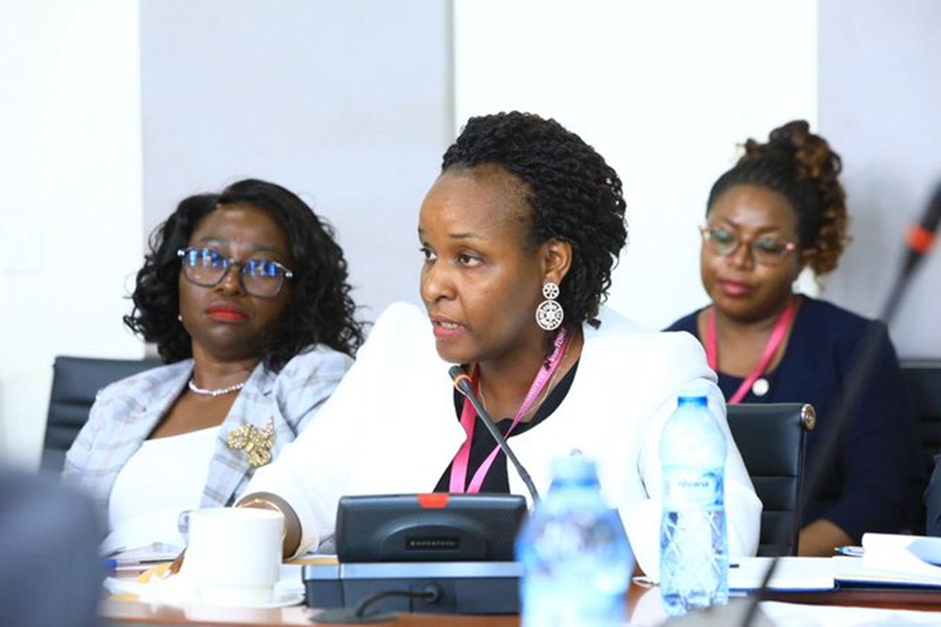
The Minister made the revelation while appearing before Parliament’s Committee on Trade, Tourism and Industry, which is currently reviewing the tourism sector’s Budget Framework Paper for the Financial Year 2026/2027. The framework outlines strategic priorities and funding requirements for the sector, with wildlife conservation, infrastructure development and security emerging as key areas of focus.
According to Hon. Mugarra, the proposed helicopter would significantly enhance UWA’s operational capacity, particularly in hard-to-reach conservation areas. He explained that aerial support remains limited, yet it is essential for effective wildlife management in a country whose protected areas cover vast and often rugged terrain.
“The helicopter will enable faster deployment of veterinary doctors to treat injured animals, improve monitoring of wildlife movements, and allow timely response to emergencies such as poaching incidents, disease outbreaks and human-wildlife conflict,” the Minister told the committee.
He added that reliance on ground patrols alone has proven insufficient in addressing emerging conservation challenges, especially as criminal networks involved in wildlife trafficking become increasingly sophisticated.
Further details of the proposal were presented by Ms Dorcus Rukundo Twesigomwe, the Business Development Manager at UWA. She noted that the acquisition of a helicopter would modernise Uganda’s conservation efforts and significantly strengthen the authority’s ability to safeguard biodiversity.
Ms Twesigomwe emphasised that aerial surveillance plays a critical role in conducting accurate wildlife censuses, which are essential for informed planning, policy formulation and sustainable tourism development. She explained that the lack of reliable air assets has previously slowed down census exercises and emergency responses, often with negative consequences for wildlife.
“The helicopter would be a vital tool in responding to emergencies in real time and in carrying out wildlife censuses more efficiently and safely,” she said, adding that the investment would also support regional conservation commitments and international reporting obligations.
Members of Parliament welcomed the proposal, acknowledging the importance of strengthening conservation infrastructure to protect Uganda’s wildlife resources. However, legislators raised concerns about the sustainability of the investment, particularly whether the Shs10 billion allocation includes provisions for maintenance, fuel, insurance, staffing and long-term operational costs.
Several MPs cautioned that aviation equipment requires substantial and continuous funding to remain functional, warning that failure to plan adequately for recurrent costs could render the investment ineffective. They urged the Ministry of Tourism, Wildlife and Antiquities, together with UWA, to present a comprehensive cost-benefit analysis and a clear sustainability plan.
The Committee on Trade, Tourism and Industry is expected to continue scrutinising the proposal as part of its broader review of the tourism sector’s budget priorities. The committee will assess whether the proposed expenditure aligns with national development objectives and delivers value for money.
The discussion highlights Uganda’s growing recognition of wildlife conservation as a cornerstone of the tourism industry, which is one of the country’s leading foreign exchange earners and a major contributor to employment and rural livelihoods. Uganda’s national parks, renowned for their biodiversity, attract thousands of tourists annually and play a key role in the country’s international profile.
The UWA funding request underscores the government’s commitment to modernising conservation efforts and protecting Uganda’s natural heritage, as Parliament weighs the financial implications of investing in advanced conservation tools amid competing national priorities.