

By Diana. N. Kintu
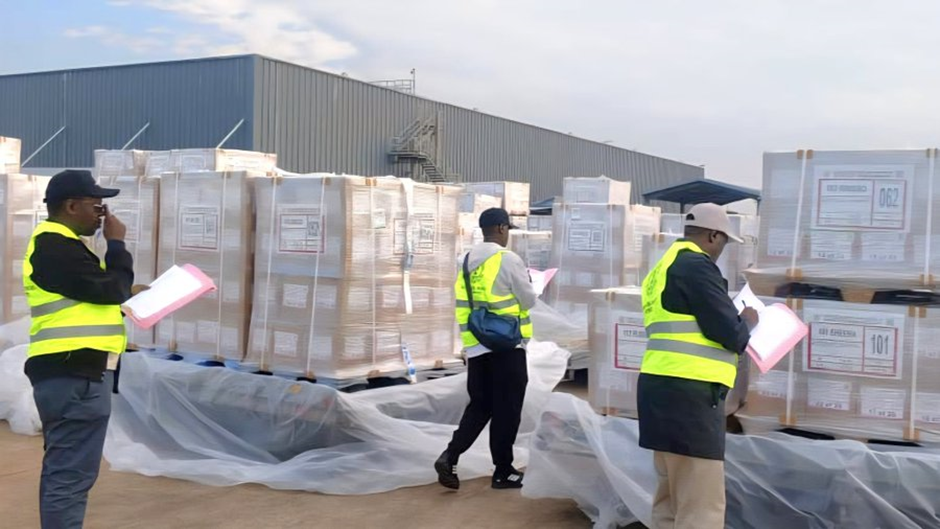
The Electoral Commission of Uganda has confirmed the receipt of a third consignment of election ballot papers from the United Arab Emirates, marking another important step in preparations for the 2026 general elections. The shipment, which arrived earlier today, forms part of the Commission’s ongoing logistical arrangements aimed at ensuring a smooth, transparent and credible electoral process.
According to the Commission, the latest consignment comprises 246 pallets of ballot papers designated for local government and parliamentary representative elections. Of these, 65 pallets are earmarked for district and city chairperson elections, while the remaining 181 pallets will be used for the election of district women councillors. These categories are critical components of Uganda’s decentralised governance system, and their inclusion at this stage reflects the Commission’s phased approach to election preparedness.
Officials from the Electoral Commission explained that the receipt of ballot papers well ahead of polling day is intended to minimise last-minute logistical challenges and strengthen public confidence in the electoral process. The early delivery allows sufficient time for verification, sorting and secure storage before the materials are eventually distributed to polling stations across the country.
In a statement, the Commission noted that additional consignments of ballot papers are expected from Greece, South Africa and Kenya. These forthcoming shipments will cater specifically for elections involving special interest groups, including representatives of youth, workers, persons with disabilities and older persons. Such groups play a vital role in Uganda’s representative democracy, and their inclusion requires specialised electoral materials and careful planning.
The Commission emphasised that sourcing ballot papers from multiple international suppliers is a deliberate strategy designed to enhance efficiency, reduce risk and ensure timely delivery. By diversifying suppliers, the Commission aims to safeguard the electoral calendar against potential production or transportation delays, while also maintaining high printing standards and security features.
Election officials further noted that all ballot papers undergo stringent quality assurance checks upon arrival. These checks include verification of quantities, confirmation of correct labelling and inspection of security features to prevent tampering or fraud. Representatives of political parties and other stakeholders are often invited to witness these processes as part of broader efforts to promote transparency and accountability.
The arrival of the third consignment comes amid heightened public interest in the Commission’s readiness for the 2026 polls. With memories of logistical challenges in past elections still fresh, the Commission has repeatedly assured Ugandans that lessons have been learned and that preparations are being conducted in a timely and systematic manner.
Beyond ballot papers, the Commission is also overseeing the procurement and distribution of other critical election materials, including ballot boxes, voter registers, declaration forms and polling station equipment. Training of election officials and voter education programmes are also ongoing in various parts of the country.
The Electoral Commission reiterated its commitment to conducting free, fair and credible elections in accordance with the Constitution and electoral laws of Uganda. It called upon political parties, candidates and voters to play their respective roles responsibly, noting that the success of the electoral process depends not only on logistical readiness but also on peaceful participation and respect for democratic principles.
As Uganda steadily moves towards the 2026 general elections, the continued arrival of key election materials such as ballot papers signals tangible progress in the Commission’s preparations. For many observers, the latest shipment is a reassuring indication that the groundwork is being laid to deliver an orderly and inclusive electoral process across the country.