
By Caroline.N.
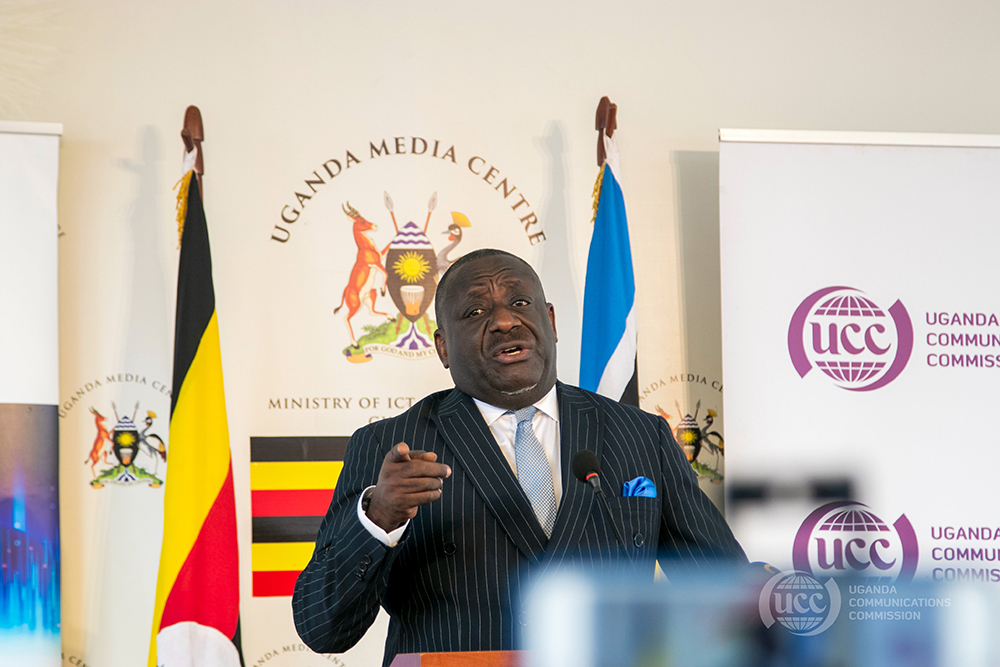
The Uganda Communications Commission (UCC) has imposed a ban on the live streaming of election results, a decision that has generated widespread public debate and raised questions about media freedom, electoral transparency and digital regulation. The directive, which applies to broadcasters, online media platforms and individuals using digital channels, is rooted in the regulator’s mandate to ensure responsible communication and maintain public order during sensitive national processes.
According to UCC, the primary justification for the ban is to prevent the dissemination of unverified, premature or misleading election results. In recent electoral cycles, the rapid growth of social media and live digital broadcasting has enabled individuals and organisations to publish results directly from polling stations before they are officially collated and declared by the Electoral Commission. UCC argues that such practices risk confusing voters, fuelling misinformation and potentially inciting public disorder, especially in a politically charged environment.
The Commission maintains that, under Uganda’s electoral framework, the Electoral Commission is the sole legally mandated body authorised to announce election results. Live streaming results from polling stations or tally centres, UCC says, undermines this process by creating parallel channels of information that may not reflect the final, verified outcome. Differences between streamed figures and official results can easily be interpreted as manipulation, even when they arise from normal tallying and verification procedures.
Another key concern cited by UCC is national security. Elections are widely recognised as high-risk periods, where tensions can escalate quickly if inaccurate or provocative information spreads unchecked. Live streams, particularly those conducted without editorial oversight, can capture and broadcast inflammatory statements, confrontations or incomplete data in real time. UCC argues that restricting live result streaming reduces the likelihood of panic, unrest or violence triggered by misinterpretation of unfolding events.
The ban is also linked to existing broadcasting and online content regulations. UCC has long required media houses and online publishers to adhere to professional standards, including accuracy, balance and verification. Live streaming, by its nature, limits the ability to fact-check content before it reaches the public. The regulator contends that this creates a regulatory gap that could be exploited by actors seeking to spread falsehoods or deliberately distort the electoral process.
However, the decision has not been without controversy. Media rights organisations, journalists and civil society groups have criticised the ban as excessive and restrictive. They argue that live streaming can enhance transparency by allowing citizens to observe vote counting and tallying processes directly, thereby increasing confidence in electoral outcomes. Critics also contend that the ban infringes on freedom of expression and the public’s right to access information, particularly in an era where digital media plays a central role in civic engagement.
Some observers have further questioned the consistency of the ban’s enforcement, noting that distinguishing between “live streaming of results” and general election coverage can be challenging in practice. There are also concerns that the directive could discourage legitimate journalistic reporting and citizen observation, which are important components of democratic accountability.
In response to criticism, UCC has emphasised that the ban does not amount to a blanket media blackout. Journalists are still permitted to cover elections, report from polling stations and discuss the process, provided they do not broadcast results live before official declaration. The Commission insists that its intention is not to suppress information but to ensure that election reporting is orderly, lawful and aligned with national interests.
As Uganda continues to navigate the intersection of technology, media freedom and electoral integrity, the ban on live streaming election results highlights the broader challenge of regulating digital spaces without undermining democratic principles. The debate it has sparked underscores the need for clearer guidelines, stronger media literacy and ongoing dialogue between regulators, media practitioners and the public on how best to balance transparency with stability during elections.