

By Caroline.N.
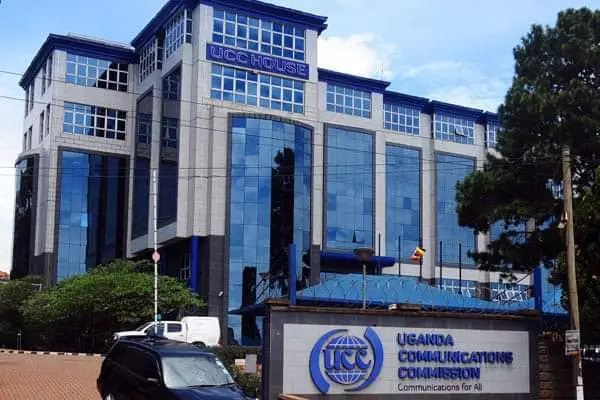
With less than two weeks to go before the January 15 general elections, the Uganda Communications Commission (UCC) has reiterated that it has not received any government instruction to shut down the internet, as public speculation about a possible shutdown continues to swirl.
Addressing journalists amid mounting tension, UCC Executive Director Thembo Nyombi stressed that the regulator has neither been issued a directive from government nor is it preparing plans for a nationwide internet blackout during the electoral period. Nyombi pointed out that while internet misuse and misinformation are concerns during elections, the commission’s mandate remains to keep communication services operational and secure.
The reassurance from UCC comes amid persistent rumours online and allegations from some political figures that the government may restrict internet access to limit mobilisation and real-time sharing of election outcomes. Earlier reports suggested that satellite provider Starlink restricted services in Uganda after a regulatory intervention, a development that fuelled speculation about broader internet disruptions.
Government officials have echoed UCC’s assurances. Dr Aminah Zawedde, Permanent Secretary at the Ministry of ICT and National Guidance, told a press briefing in Kampala that no plan or directive has been adopted to turn off the internet during the election period. She dismissed the circulating claims as “false and misleading” and warned that spreading such stories can create unnecessary public anxiety ahead of the polls.
Despite these official statements, public unease remains palpable, partly due to Uganda’s recent electoral history. In the 2021 elections, the government imposed a nationwide internet blackout for several days, affecting social media platforms such as Facebook, Twitter (now X) and WhatsApp, just before and after polling day — a move widely criticised by human rights groups.
The current environment has also seen opposition leaders accuse authorities of stifling communication. National Unity Platform (NUP) presidential candidate Robert Kyagulanyi (Bobi Wine) appealed to global technology firms after Starlink’s service restrictions, arguing that limiting connectivity undermines democratic engagement and voter participation.
In response, both UCC and government representatives have urged citizens, media houses and political actors to rely on verified official channels for information, emphasising responsible use of digital platforms — particularly during the high-stakes period leading up to election day.
Analysts say that while there is no active order for an internet shutdown at present, the lingering public anxiety is influenced by past experiences and the sensitivity surrounding information flow during elections. Observers warn that any future decision to restrict internet access would require a formal government directive, which UCC says it has not yet received.
As Uganda prepares for one of its most closely watched elections in recent memory, the question of internet access remains a critical point of public interest — not only for voters and media professionals, but also for international observers monitoring the transparency and fairness of the process.