

By Diana.N.Kintu
As Uganda prepares for the 15 January 2026 general elections, the Uganda Communications Commission (UCC) has issued clear guidelines to media houses, digital publishers and the public to curb the spread of misinformation and prevent coverage that could incite violence or unrest.
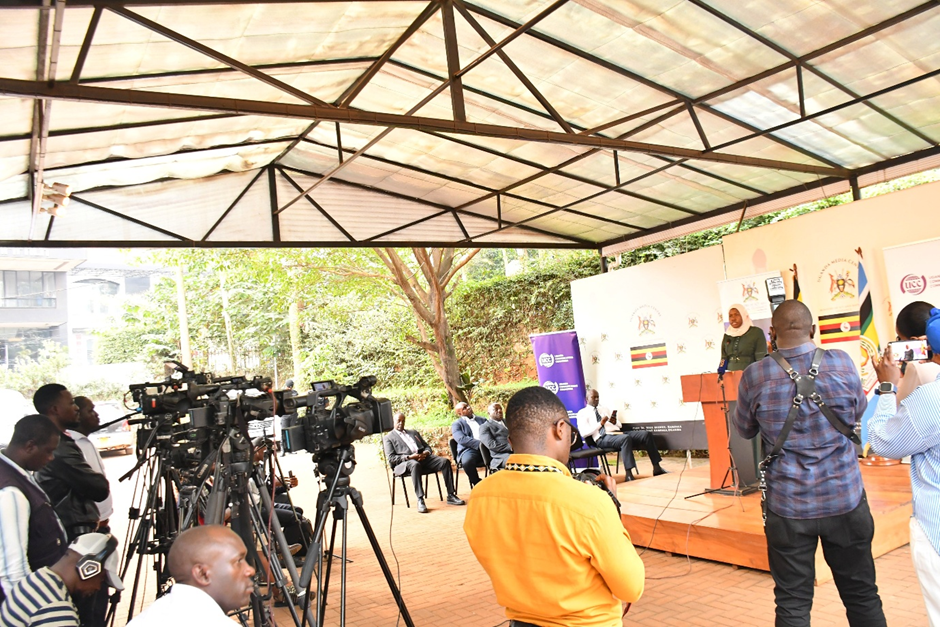
At a high-level media briefing in Kampala, UCC Executive Director Hon. Nyombi Thembo emphasised the critical role of the media in safeguarding peace and stability during the election period. He urged media professionals to prioritise accuracy, balance and patriotism in their reporting, warning that sensationalism and irresponsible content could inflame tensions in an already highly charged political environment. “The media plays a central role in Uganda’s democracy,” Thembo said, appealing to broadcasters and online platforms to provide fact-checked, impartial coverage that informs rather than divides the public. “Words hold power to either calm or inflame the nation,” he added, emphasising that journalists carry a heavy responsibility during elections.
The UCC guidelines prohibit live streaming of riots, violent incidents or unlawful processions, aiming to prevent escalation of tensions and public panic. They also set zero tolerance for hate speech and incitement, requiring broadcasters and users to refrain from spreading content that could promote hostility or discrimination. Officials further clarified that only the Electoral Commission is authorised to declare official election results, and that premature or unofficial results may not be broadcast or shared. Media houses are also urged to verify all information before distribution and to ensure reporting is balanced, fair and contextual, moving beyond sensationalism to educate voters on electoral processes.
Permanent Secretary Dr Aminah Zawedde of the Ministry of ICT and National Guidance highlighted the collective responsibility of ICTs and media platforms in contributing to peaceful, credible elections and national unity. She warned that misinformation, particularly on digital platforms, can erode public trust and destabilise an already sensitive political climate. In response to circulating rumours about potential disruptions to internet access during the election period, officials have categorically denied any planned shutdown of internet services, describing such claims as false and misleading. Maintaining uninterrupted internet connectivity is critical for public information access and democratic participation.
Media analysts note that these guidelines come at a crucial time, as digital and broadcast platforms have become central sources of political information for millions of Ugandans. With internet penetration rising steadily, the reach and impact of both verified reporting and misinformation has increased significantly. Despite the emphasis on regulation, some journalists have expressed concerns about the potential chilling effect of strict coverage rules, particularly those prohibiting live broadcasting of protests or violent incidents. Media unions argue that ethical but unfettered reporting is essential to accountability and transparency during elections.
In response, the UCC has reaffirmed that all regulations are intended not to stifle press freedom but to ensure that communication channels do not become conduits for hatred or falsehoods that threaten national peace. As Uganda approaches its 2026 election day, the UCC’s guidelines stand as a significant attempt to balance media freedom with the need to maintain peace, order and public trust in democratic processes. Their implementation and enforcement will likely shape not only how the elections are reported but also how Ugandans engage with political discourse online and offline.