

By Caroline.N
Uganda’s qualification to host matches during the AFCON spotlight presents a rare opportunity to turn continental attention into long-term economic and social gains. To monetise this moment effectively, the country must move beyond match-day excitement and adopt a coordinated strategy that links sports, tourism, business, culture and national branding.
AFCON will attract teams, officials, fans, media and sponsors from across Africa and beyond. Uganda can monetise this influx by aggressively promoting sports tourism packages that combine football with leisure experiences. Match tickets can be bundled with visits to national parks, cultural sites, Lake Victoria cruises and city tours. Strategic branding such as “AFCON in the Pearl of Africa” would position Uganda as more than a host venue, but as a must-visit destination.
Hotels, airlines, tour operators and transport services should be integrated into official AFCON travel packages, ensuring spending remains within the local economy. Temporary fan zones can also be monetised through entrance fees, concessions and branded experiences.
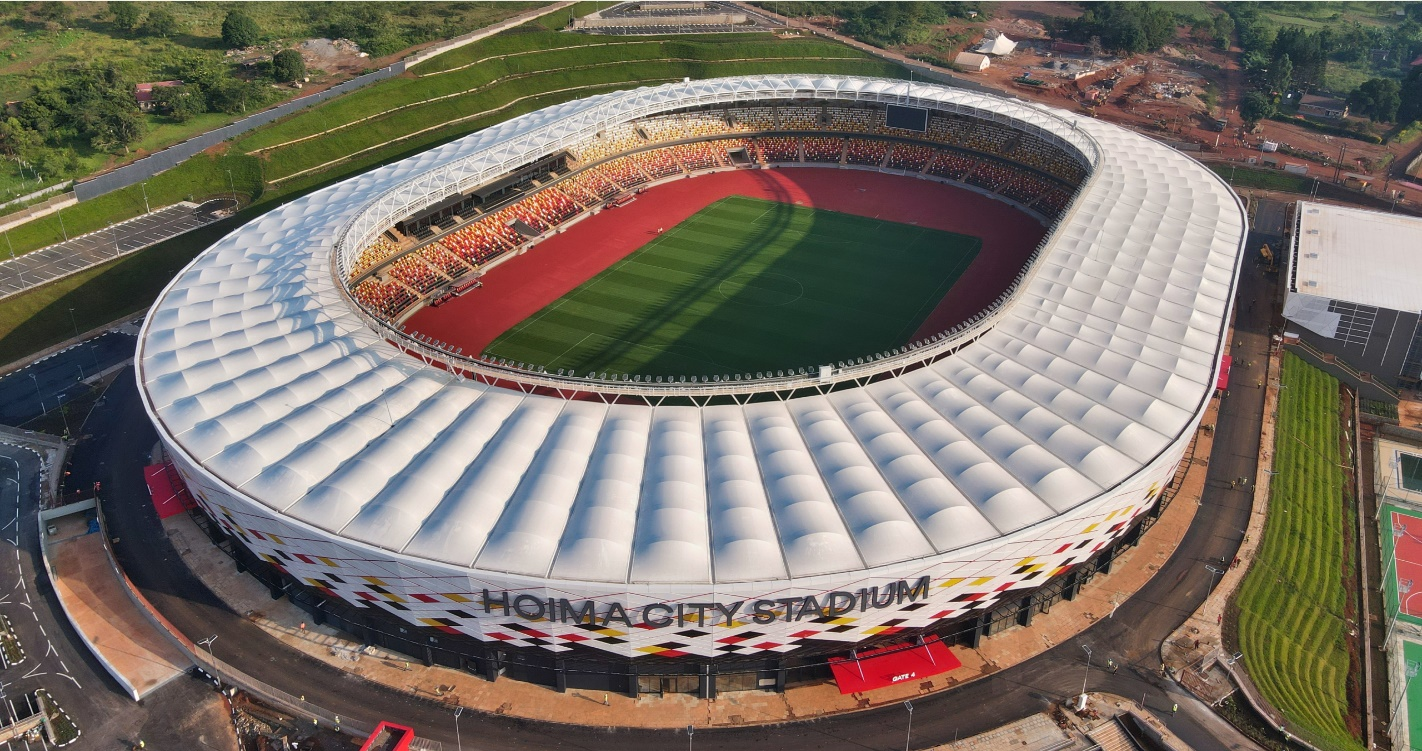
AFCON-related infrastructure investments—stadia upgrades, roads, airports, accommodation and ICT—should be planned with post-tournament use in mind. Modern stadiums can later host regional tournaments, concerts and corporate events, generating recurring revenue.
Urban renewal around host venues presents an opportunity for commercial real estate development, advertising spaces and naming rights partnerships. Proper maintenance and commercial management of AFCON infrastructure will be critical to avoid “white elephant” facilities.
The AFCON spotlight gives Ugandan companies exposure to continental audiences. Government and football authorities can create tiered sponsorship packages for local and international brands covering stadium branding, broadcast advertising, fan zones, digital platforms and merchandise.
Local SMEs can benefit through controlled vending rights, food courts and licensed merchandise sales. Uganda can also push “Made in Uganda” branding, ensuring locally produced goods—textiles, beverages, crafts and food—feature prominently at AFCON events.
Uganda can monetise AFCON indirectly through digital storytelling and content creation. Beyond official CAF broadcasts, local media houses, influencers and tourism boards can produce documentaries, travel features, behind-the-scenes content and cultural showcases that attract sponsorship and advertising revenue.
A strong digital strategy can position Uganda as a regional content hub, driving traffic to tourism platforms long after the tournament ends. Social media campaigns linked to AFCON hashtags can amplify reach at minimal cost.
AFCON is also a cultural festival. Uganda can monetise the moment by integrating music, fashion, film and cuisine into the football experience. Opening and closing ceremonies, fan festivals and city carnivals can showcase Ugandan artists, designers and performers.
Merchandising opportunities—AFCON-themed fashion, crafts and memorabilia—can generate income while promoting cultural identity. These activities also create short-term jobs and long-term exposure for creative entrepreneurs.
Hosting AFCON allows Uganda to monetise human capital. Training programmes in event management, hospitality, security, broadcasting and sports marketing can be introduced ahead of the tournament. Skilled workers developed for AFCON can later serve regional events, conferences and tourism, turning short-term spending into long-term economic capacity.
With Africa’s eyes on Uganda, AFCON can double as an investment promotion platform. Business forums, trade expos and investor roundtables can be held alongside matches, targeting sectors such as tourism, energy, ICT and agro-processing.
Diaspora engagement is also key. AFCON provides an emotional connection point for Ugandans abroad, encouraging remittances, property investment and business partnerships.
To fully monetise the AFCON spotlight, Uganda needs a centralised legacy and commercialisation plan involving government, FUFA, the private sector and development partners. Clear policies on revenue sharing, sponsorship rights and local participation will ensure benefits are widely distributed.
Ultimately, AFCON should be viewed not as a one-off tournament, but as a launch pad for Uganda’s global brand. If managed strategically, the AFCON spotlight can translate into sustained tourism growth, stronger industries, enhanced infrastructure and a lasting economic legacy long after the final whistle.