

By Caroline
Uganda is repositioning the Roosevelt Heritage Trail as a strategic export and tourism product, signalling a shift towards leveraging heritage tourism to promote the country’s culture, conservation credentials and economic potential on the global stage.
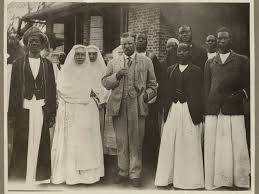
The Roosevelt Heritage Trail traces the historic 1909–1910 expedition of former United States President Theodore Roosevelt, who undertook a scientific and exploratory journey through parts of East Africa, including Uganda. His expedition, which documented wildlife, landscapes and indigenous cultures, left behind a legacy that Uganda now seeks to transform into a marketable heritage and tourism export.
Government officials say the trail will be promoted as a high-value cultural tourism product aimed at attracting international visitors, particularly from the United States and Europe, while also boosting domestic tourism and local enterprise. The initiative aligns with Uganda’s broader strategy to diversify tourism offerings beyond traditional wildlife safaris and position the country as a destination for experiential and historical travel.
According to the Ministry of Tourism, Wildlife and Antiquities, the Roosevelt Heritage Trail will be developed through structured tour routes, interpretive centres, community-led storytelling, and branded tourism experiences linked to Roosevelt’s journey across Uganda’s landscapes. These experiences are expected to generate revenue through tour packages, hospitality services, crafts and cultural performances, effectively exporting Uganda’s heritage to international markets.
Officials note that heritage tourism is increasingly recognised as a viable export, as it attracts foreign exchange, creates employment and stimulates investment in rural and conservation areas. By packaging the Roosevelt Heritage Trail as a premium cultural product, Uganda aims to tap into a niche market of history enthusiasts, researchers, conservationists and adventure travellers.
The initiative also places strong emphasis on community participation. Local communities along the trail are being encouraged to develop complementary products such as guided walks, homestays, cultural exhibitions and handicrafts. Government believes this approach will ensure inclusive growth, allowing communities to benefit directly from tourism while preserving their cultural identity.
Tourism experts have welcomed the move, noting that the Roosevelt expedition played a significant role in shaping early conservation narratives in East Africa. Uganda’s diverse ecosystems, including national parks, lakes and river systems visited during the expedition, provide a strong foundation for storytelling and experiential tourism.
In addition to tourism promotion, the trail is expected to support Uganda’s conservation diplomacy. Authorities say the project will highlight Uganda’s commitment to sustainable tourism, biodiversity protection and responsible heritage management, strengthening the country’s international image.
The Uganda Tourism Board is working with private sector players, cultural institutions and development partners to market the trail through international tourism fairs, digital platforms and targeted campaigns. There are also plans to integrate the trail into educational tourism, attracting universities and research institutions interested in African history, conservation and anthropology.
While implementation will be rolled out in phases, officials stress that infrastructure development, proper documentation and branding are critical to the success of the initiative. Signage, historical markers and digital mapping are expected to enhance visitor experience and ensure the trail meets international standards.
As Uganda seeks to grow tourism’s contribution to the economy, the transformation of the Roosevelt Heritage Trail into an export strategy reflects a broader shift towards value addition, storytelling and sustainable use of cultural assets. If successfully executed, the initiative could position Uganda as a leading heritage tourism destination while delivering lasting economic and social benefits.