
By Caroline.N
The Government of Uganda has urged renewed and concerted efforts from all stakeholders — including public institutions, local governments, development partners, the private sector and communities — to accelerate actions to ensure universal access to clean and safe water for all citizens.
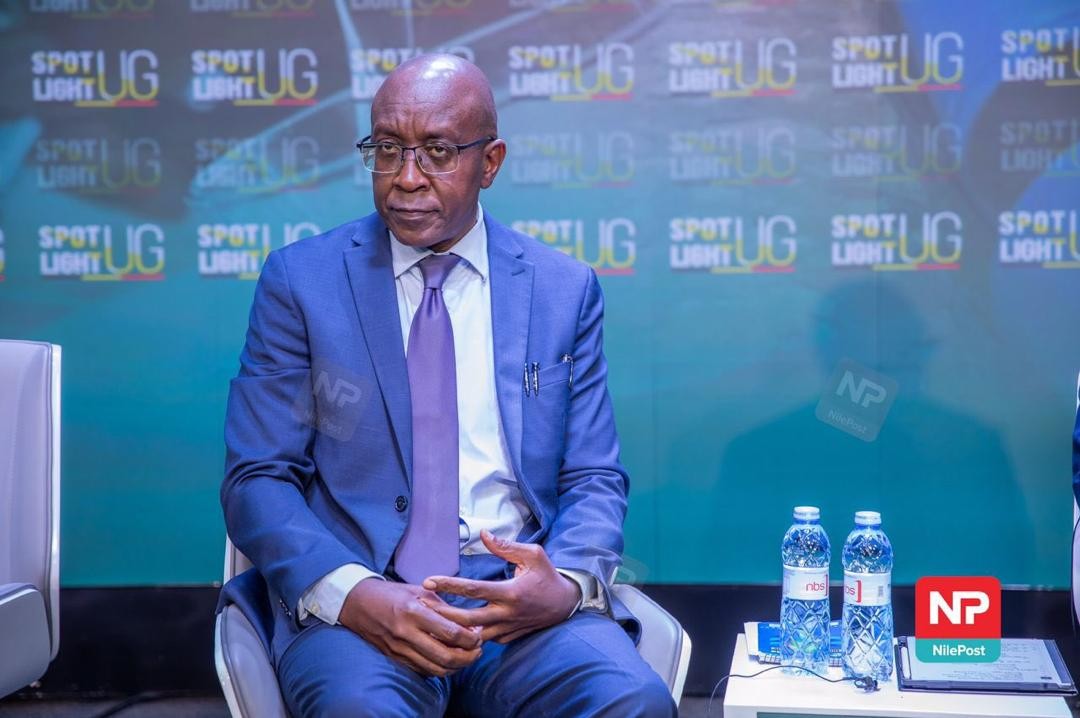
At a recent national forum on water resources and development, Callist Tindimugaya, Commissioner for Water Resources Planning and Regulation in the Ministry of Water and Environment, emphasised the critical importance of water to human survival, public health, economic productivity and national development. He called for stronger policy implementation, investment and community engagement to meet the country’s growing need for safe water services.
“Water is indispensable to human life, and it determines the health, wellbeing and productivity of our people,” Mr Tindimugaya said. He stressed that, despite progress, significant gaps remain in ensuring that every Ugandan — particularly those in rural and underserved areas — has reliable access to water that is both clean and safe for drinking and household use.
Government statistics show notable strides in recent years. According to officials, about 82 per cent of Ugandan villages now have access to at least one safe water source. This represents a considerable advance toward national clean water goals, yet also highlights that nearly one in five communities remain without reliable access.
In parallel, the National Water and Sewerage Corporation (NWSC) has reaffirmed its commitment to expanding affordable, safe water services across its coverage areas. Dr Silver Mugisha, NWSC Managing Director, noted that the corporation is working under strict government oversight to address infrastructure challenges, pricing and regulatory issues that affect water delivery and quality.
At the same time, the Ministry of Water and Environment’s Water for Production programme continues to advance projects that support agricultural irrigation, rural livelihoods and food security by expanding water systems that serve both production and household needs. Officials said these efforts are part of an integrated approach to improving water access as well as economic resilience in rural areas.
Uganda’s national water policy and development plans place universal access to safe water at the centre of socio-economic transformation. Strategic objectives include increasing the proportion of households with access to sustainable water services, enhancing water resource management, and expanding infrastructure for both domestic and productive uses.
Under these policy frameworks, government priorities include strengthening regulatory frameworks, promoting private sector participation, mobilising financing for water projects, and leveraging innovative technologies such as solar-powered systems, mechanised boreholes and smart metering to improve efficiency and reach.
Government leaders have urged a multi-stakeholder response to water security challenges. This includes local governments accelerating implementation of water supply projects at district and community levels, development partners and financiers increasing targeted investment in water and sanitation infrastructure, communities and civil society participating in water resource protection, demand management and hygiene promotion, and private sector players innovating affordable water solutions and supporting public–private partnerships.
Public health experts note that improved access to safe water not only reduces waterborne diseases but also supports education, gender equality and economic participation, particularly for women and girls who often bear the burden of water collection in rural households.
Despite measurable advances, Uganda still faces challenges in fully achieving clean water coverage, especially in remote and rapidly growing peri urban areas. Climate change, environmental degradation and population pressures underscore the urgency of coordinated action.
Government officials reaffirmed that meeting these challenges will be essential not only for achieving national development goals but also for realising international commitments such as Sustainable Development Goal 6, which calls for universal access to safe water and sanitation by 2030.
As Uganda intensifies its push for inclusive water security, the call for stronger action resonates across sectors — from policy corridors to village communities — reflecting a shared imperative to make clean, safe water a reality for every citizen.