
By Caroline.N
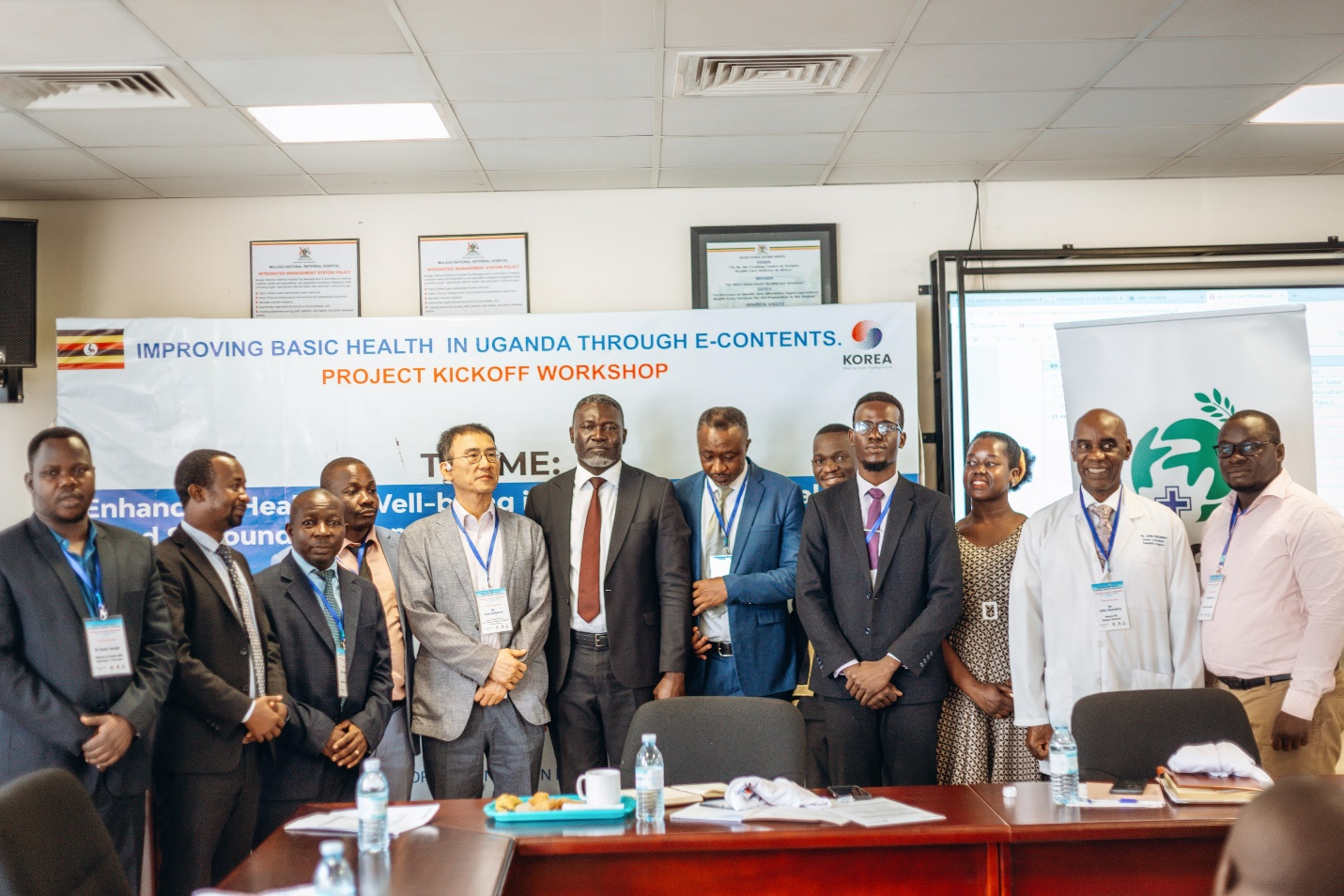
Mulago National Referral Hospital has launched a pilot digital health education initiative aimed at addressing the growing challenge of health misinformation and improving public understanding of medical guidance. The programme seeks to bridge communication gaps between healthcare providers and communities by ensuring that accurate and user-friendly information reaches the public in a clear and accessible manner.
Health officials note that despite ongoing public health campaigns, many Ugandans still struggle to interpret medical advice. This has resulted in delayed care, improper treatment practices and increased reliance on unverified information circulating through social media, community gossip and cultural myths. The new initiative is intended to counter these trends by providing credible information that ordinary people can easily understand and apply.
Dr Justus Atuhaire, the coordinator of the project, explained that many patients fail to follow medical instructions because the information they receive is either confusing or distorted. This has contributed to missed appointments, poor adherence to prescribed medication and a general deterioration in health outcomes. The project aims to address these gaps by producing short animated videos that simplify public health topics such as water and sanitation, nutrition, emergency services and commonly misunderstood diseases. These videos will be shared through social media, websites, Ministry of Health communication platforms and employer-based systems. Versions that can run on basic mobile phones will also be created to ensure that even individuals with limited digital access can benefit.
In addition to digital content, the programme will deploy trained communicators known as “presentation champions” to deliver health messages directly to communities. Dr Atuhaire noted that although health workers are medically knowledgeable, many lack specialised communication skills required to engage diverse audiences effectively. The champions will therefore play a vital role in translating health information into simple terms that people can understand.
The pilot will initially focus on Namanve Industrial Park and nearby schools, areas that host large populations of young workers and students who often face barriers to accessing preventive care and reliable information. Officials say the industrial park alone has a population size comparable to a full district, making it a particularly strategic target. Dr Rosemary Byanyima, the executive director of Mulago Hospital, stressed that misinformation has had severe consequences, with many patients arriving at the hospital only when their conditions have significantly worsened. She noted that early treatment could prevent complications and reduce the workload on referral hospitals, but misinformation continues to delay people from seeking appropriate care.
The project is being carried out in partnership with international health-support organisations experienced in digital health solutions. Evidence from similar initiatives shows that simplified visual tools significantly improve public understanding of health issues. Mulago Hospital believes that, if successful, the programme can be expanded to other urban centres, industrial regions and regional referral hospitals across the country.
As digital misinformation continues to influence public behaviour, Mulago’s initiative is seen as a timely and strategic intervention. Health experts hope it will improve health literacy, promote timely medical care and strengthen trust between communities and the healthcare system. The hospital views the project as a long-term investment in a more informed and health-conscious population.