

By Diana .N.Kintu
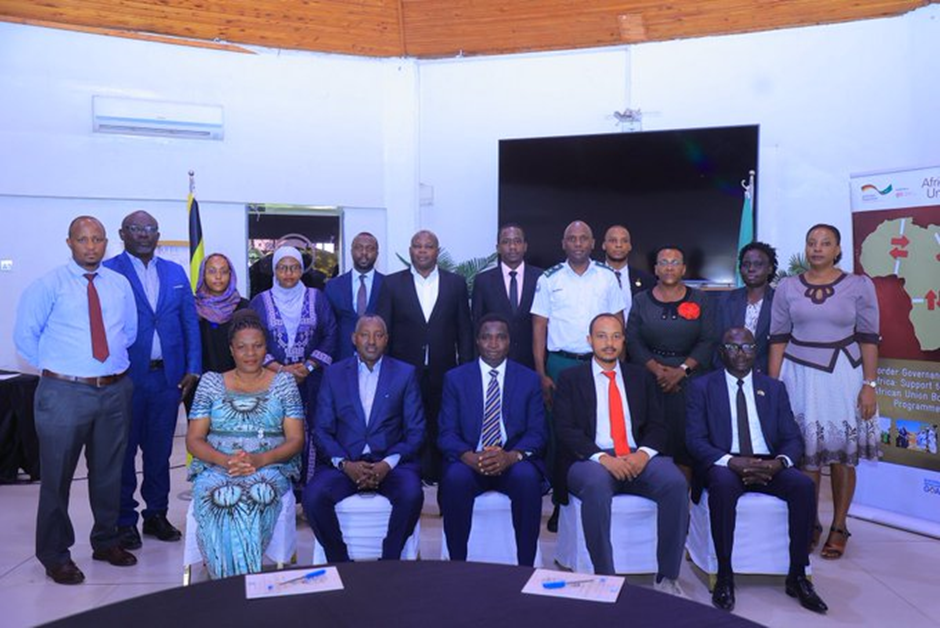
A significant consultative meeting on the ratification of the Niamey Convention commenced today at the Fairway Hotel in Kampala and is set to continue through December 3, 2025. Convened by the Ministry of Foreign Affairs, the gathering brings together government officials, regional stakeholders, and experts to deliberate on a pivotal African Union legal framework. The convention is designed to reimagine Africa’s borders as instruments for integration and development, rather than obstacles.
The convention, formally known as the African Union Convention on Cross-Border Cooperation, was adopted in Niamey, Niger, in 2014. It represents a strategic shift in continental policy, providing member states with a unified legal instrument to transform border areas from zones of tension into areas of shared prosperity and security. According to a statement from the Ministry of Foreign Affairs, the treaty “aims to transform African borders from historical barriers into avenues for cooperation.” This vision underpins the framework, moving beyond traditional boundary demarcation toward proactive, collaborative management of shared frontiers.
The meeting is focused on the convention’s multifaceted objectives. Key priorities include promoting deep cross-border cooperation across economic, security, and social sectors. Officials emphasised the importance of facilitating peaceful dispute resolution and establishing efficient, harmonious border management systems. Particular attention is being given to leveraging border regions’ unique potential for trade, cultural exchange, and socio-economic growth. These priorities also extend to collaborative projects in security, institutional development, culture, and sports, fostering stronger people-to-people connections across borders.
Stakeholders highlighted the convention’s alignment with the African Union’s long-term development blueprint, Agenda 2063. According to the Ministry, the treaty provides a legal mandate to operationalise the AU’s vision of “a peaceful Africa with seamless borders.” By shifting the focus from mere technical delimitation to the ongoing cooperative management of borders, the convention is seen as essential for promoting continental stability, increasing intra-African trade, and fostering unity among member states.
The consultative meeting in Kampala represents a critical national step in Uganda’s engagement with this continental initiative. Participants are reviewing the treaty’s provisions in detail, assessing the practical implications of ratification, and building consensus on the legal, administrative, and operational measures required for its implementation. The aim is to integrate the principles of the convention into Uganda’s foreign and regional cooperation policies, ensuring that the country’s border management practices contribute to wider East African and continental integration.
Experts at the meeting underscored the transformative potential of the Niamey Convention for border communities. By promoting collaboration over conflict, the treaty can enhance security, create economic opportunities, and strengthen social cohesion in regions that have historically been marginalised. Officials noted that effective ratification and implementation could serve as a model for other African countries seeking to leverage cross-border cooperation as a tool for sustainable development.
In conclusion, the Kampala consultative meeting is a crucial step in translating continental vision into national action. By ratifying the Niamey Convention, Uganda positions itself as a proactive contributor to the African Union’s goal of integrated, peaceful, and prosperous borders. Stakeholders expressed optimism that the process will not only reinforce regional stability but also unlock new opportunities for trade, investment, and cultural exchange, strengthening both Uganda’s national interests and the wider African agenda.