

By Caroline.N
President Yoweri Kaguta Museveni has announced an ambitious plan to transform a small mineral-rich village in western Uganda into a fully-fledged industrial park, marking what he described as a “decisive step” in his government’s drive to industrialise rural areas and add value to the country’s vast natural resources.
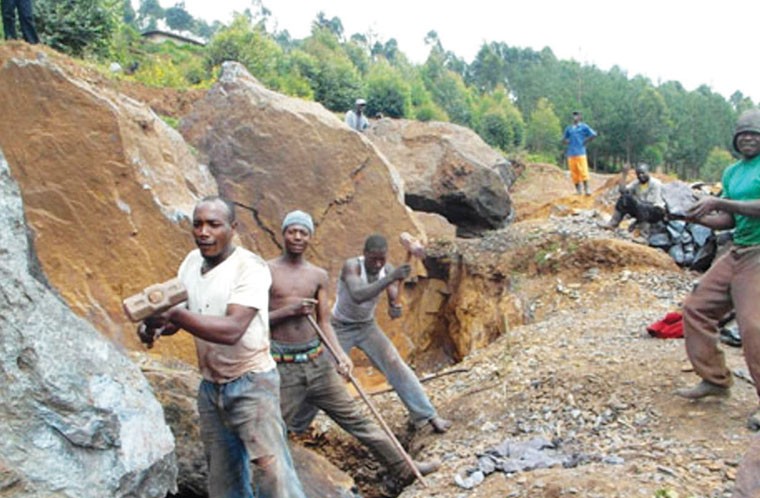
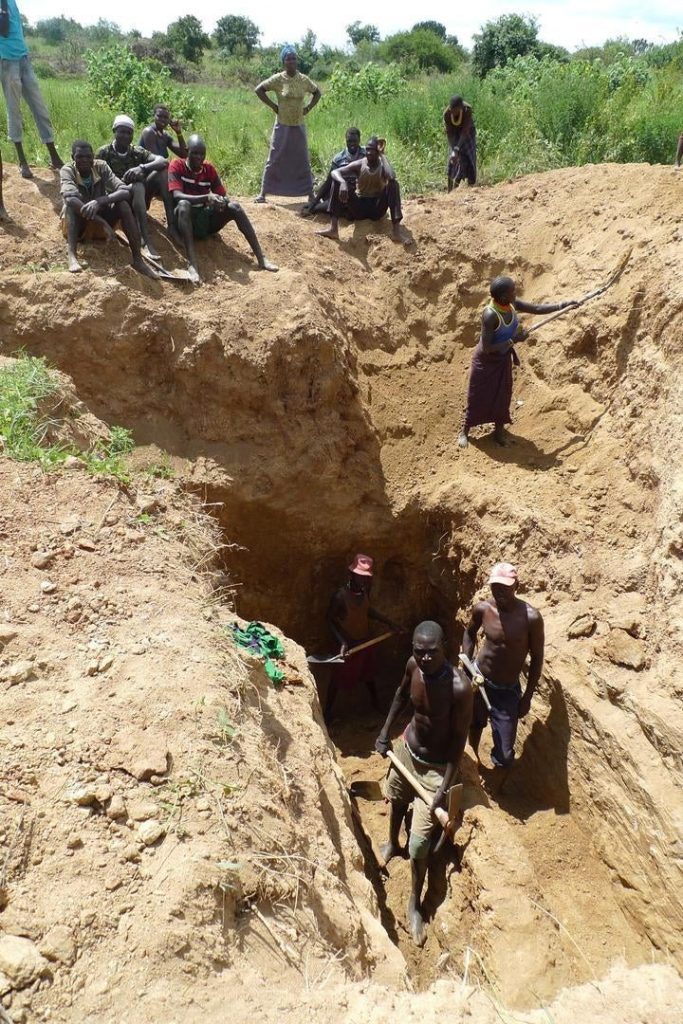
The village of Kyaka, located in the mineral-laden foothills of the Rwenzori region, has long been known for its deposits of copper, limestone, iron ore, and small traces of gold. For decades, however, the community remained largely agrarian, with most residents depending on small-scale farming and artisanal mining for survival.
Speaking during a community engagement held at the Kyaka Sub-county grounds on Wednesday, President Museveni said his government would soon begin the construction of the Kyaka Industrial Park, which will host mineral processing plants, manufacturing facilities, and logistics centres. The project will be implemented under the Uganda Investment Authority (UIA) and the Ministry of Energy and Mineral Development.
“We cannot continue exporting raw minerals when our people remain poor,” Museveni told cheering locals. “This park will not only create jobs but also ensure that the wealth from these minerals stays in Uganda to benefit our citizens.”
The President explained that the project is part of the broader Parish Development Model (PDM) and the National Industrial Policy (2020–2040), which aim to spread industrialisation beyond urban centres such as Kampala and Jinja. He said the industrial park will attract both local and foreign investors to establish processing plants for steel, cement, and ceramics, as well as small industries that support construction and agriculture.
Officials from the Ministry of Trade and Industry revealed that the park is expected to create over 15,000 direct and indirect jobs once fully operational. The government has already allocated 2,500 acres of land for the project, with compensation and resettlement plans underway for affected households.
Additionally, the project includes the construction of key infrastructure such as access roads, power substations, and a water treatment facility. A vocational training centre will also be built nearby to equip local youths with technical skills relevant to the industries expected to operate in the park.
“We are not just building factories; we are building human capacity,” said Evelyn Anite, the State Minister for Investment and Privatisation. “This project will empower our young people to become technicians, engineers, and entrepreneurs.”
While the announcement has been met with excitement, some local leaders and environmentalists have raised concerns about potential environmental degradation and displacement of small-scale miners. Museveni assured residents that the government will enforce strict environmental regulations to ensure sustainable exploitation of natural resources.
“We shall mine responsibly. Our scientists will make sure no one pollutes the rivers or destroys the forests,” he emphasised.
The Uganda National Environment Management Authority (NEMA) has already begun conducting an Environmental Impact Assessment (EIA) to guide the development process.
Analysts view the Kyaka Industrial Park as a symbol of Uganda’s growing shift toward resource-based industrialisation — a strategy aimed at reducing dependency on raw exports and imported goods.
If successfully implemented, the park could become a model for other mineral-rich regions such as Karamoja and Busoga. For many in Kyaka, the hope is that this long-awaited transformation will turn their once-forgotten village into a hub of opportunity and national pride.
“We’ve waited for this day for generations,” said 68-year-old miner James Kisembo. “Maybe now our children will work in factories instead of digging in the hills.”