
By Wakibi Iddi
Deputy Speaker of Parliament Thomas Tayebwa has cautioned newly trained Community Health Extension Workers (CHEWs) in Mitooma District against treating patients or operating informal clinics, urging them to focus on disease prevention, health education and referrals.
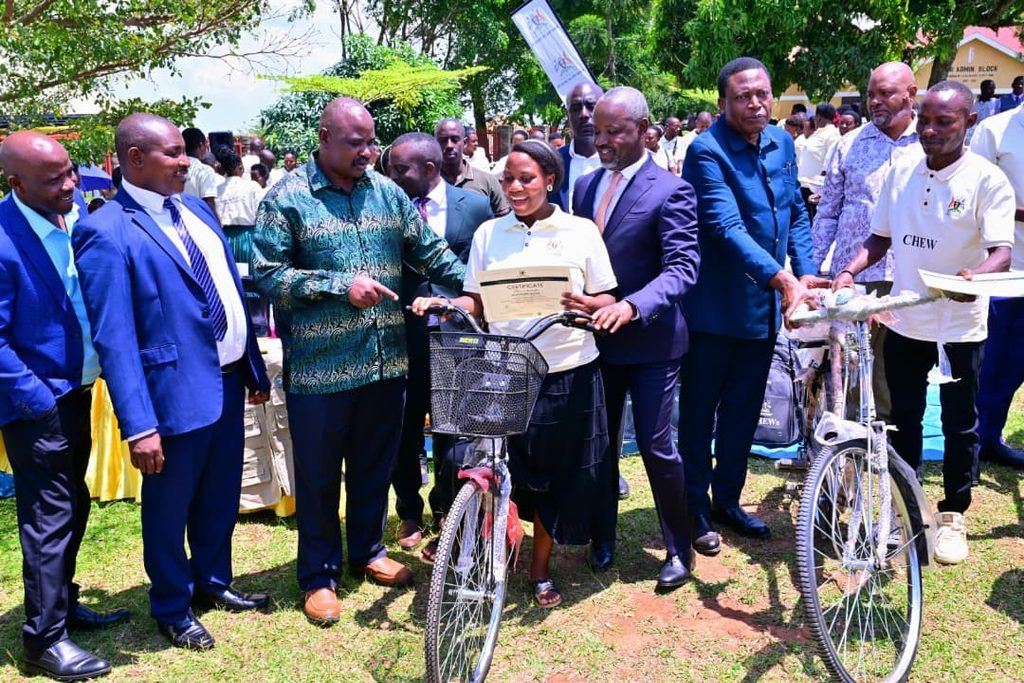
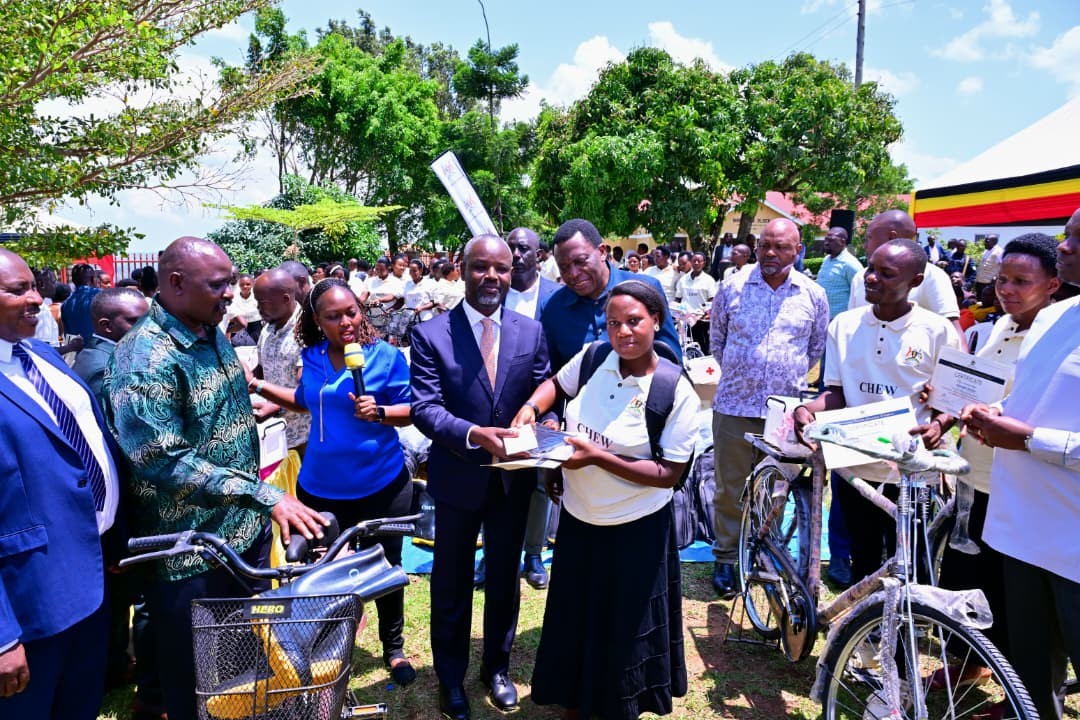
Tayebwa made the remarks on Monday at the passing-out ceremony of 155 CHEWs at Mitooma District headquarters, where he joined Ministry of Health officials and district leaders to mark the completion of their training.
He cautioned the workers against acting as medical practitioners or establishing informal clinics in their communities, stressing that their role is to identify health risks, educate households and connect patients to appropriate health facilities.
“You’re not a doctor; don’t start acting like doctors, don’t set up clinics. Don’t attempt to treat anyone. That is not your job,” Hon. Tayebwa said.
The CHEWs are expected to bring health promotion closer to households, particularly in communities where residents face difficulties accessing health facilities. Their duties include community sensitisation, disease surveillance, promoting immunisation and antenatal care, identifying health risks and referring patients for professional treatment.
Tayebwa said Mitooma’s geographical setting makes community health education particularly important, noting that some communities border forests and a national park, while malaria remains a significant health concern.
He urged the workers to identify areas facing specific health risks and tailor their messages to local needs. He also asked local leaders to give them opportunities to speak at community gatherings, including burial ceremonies, so that such platforms can be used to promote health awareness.
The Deputy Speaker further encouraged the workers to educate communities about lifestyle-related diseases, including the dangers of excessive alcohol consumption, and to promote routine antenatal care for expectant mothers.
He also cautioned them to safeguard bicycles and other equipment provided by the Government, saying the items were intended to support their official duties.
“Guard the properties that you have been given; they are not gifts. They are work equipment. For you women, if your husband confiscates the bicycle, report immediately,” he said.
Director General of Health Services Dr Charles Olaro said the deployment of CHEWs is part of the Ministry of Health’s wider effort to strengthen prevention and early intervention within Uganda’s health system.
“The success of the CHEW programme should be measured by the health problems prevented in communities, rather than the number of patients referred to health facilities,” Olaro said.
He said the workers would also support immunisation, antenatal care, family planning, sanitation and the prevention of non-communicable diseases.
Mitooma District Acting District Health Officer Julius Taremwa said the new workers would help bridge gaps between households and health facilities.
Although the district recently recruited 101 health workers, including a surgeon, gynaecologist and medical officers, Taremwa said overall staffing remains at about 22 per cent.
He said access to health services also remains a challenge in some areas, citing Katenga Sub-county, which has no health facility, and Kiyanga Sub-county, where gaps in service access persist.
The deployment of the CHEWs is expected to strengthen links between households and the formal health system, enabling earlier identification of health risks, timely referrals and improved access to preventive health information across Mitooma.