

By Caroline N
The Government of Uganda, in partnership with development and humanitarian organisations, is today launching the Uganda Anticipatory Action Roadmap (2025–2031), a national framework aimed at transforming the country’s disaster management approach from reactive emergency response to proactive, forecast-based action.
The launch is taking place at the Imperial Resort Beach Hotel and brings together representatives from government ministries, development partners, humanitarian agencies, academia, civil society organisations, the private sector and technical institutions.
The roadmap is expected to strengthen Uganda’s resilience to increasingly frequent climate-related disasters by enabling authorities and communities to take preventive action before emergencies occur, rather than responding after lives and livelihoods have already been affected.
Developed through a broad consultative process, the framework seeks to reduce the impact of hazards including droughts, floods, disease outbreaks, pest infestations and other climate-related risks. It aims to safeguard lives, protect livelihoods and preserve national development gains through timely, coordinated interventions.
The Uganda Anticipatory Action Roadmap is anchored on six strategic priorities. These include strengthening community-centred early warning systems, scaling up anticipatory actions before disasters occur, reinforcing policies and legislation for proactive disaster risk management, improving coordination among government institutions and partners, establishing sustainable financing mechanisms for anticipatory action, and promoting research, evidence generation and learning to enhance implementation.
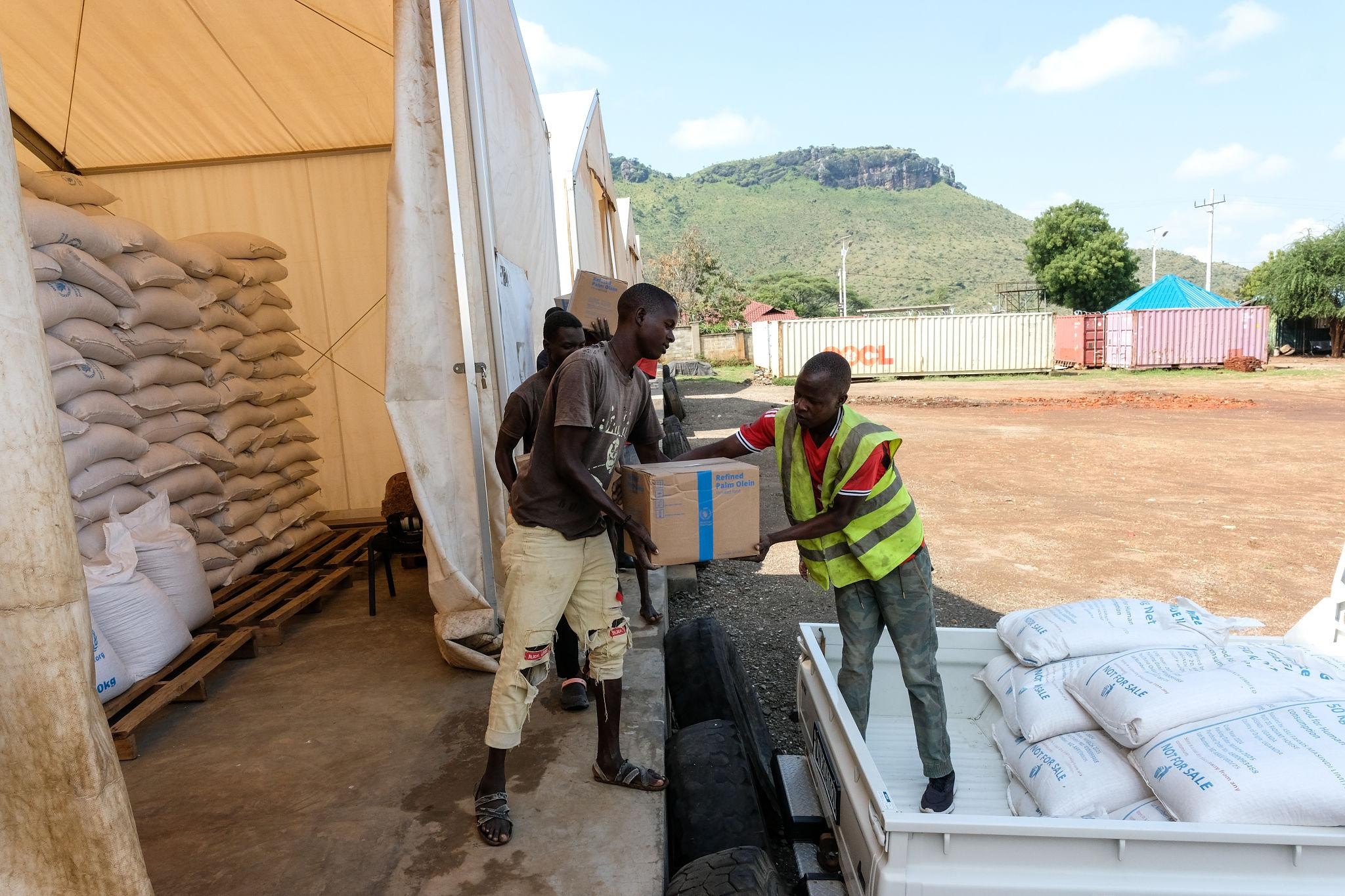
Uganda has already recorded encouraging results from anticipatory action initiatives. Early interventions during prolonged droughts in the Karamoja sub-region and flood emergencies in different parts of the country have helped safeguard livelihoods, rehabilitate water infrastructure and provide timely support to vulnerable communities before disasters reached their peak.
Government officials say the framework will also strengthen collaboration among stakeholders to ensure that early warning information is translated into swift and coordinated action, reducing disaster risks and enhancing resilience across the country.
The launch of the roadmap marks another milestone in Uganda’s efforts to build a more resilient nation capable of anticipating and mitigating the impacts of climate-related hazards, while aligning with global best practices in disaster risk reduction and climate adaptation.
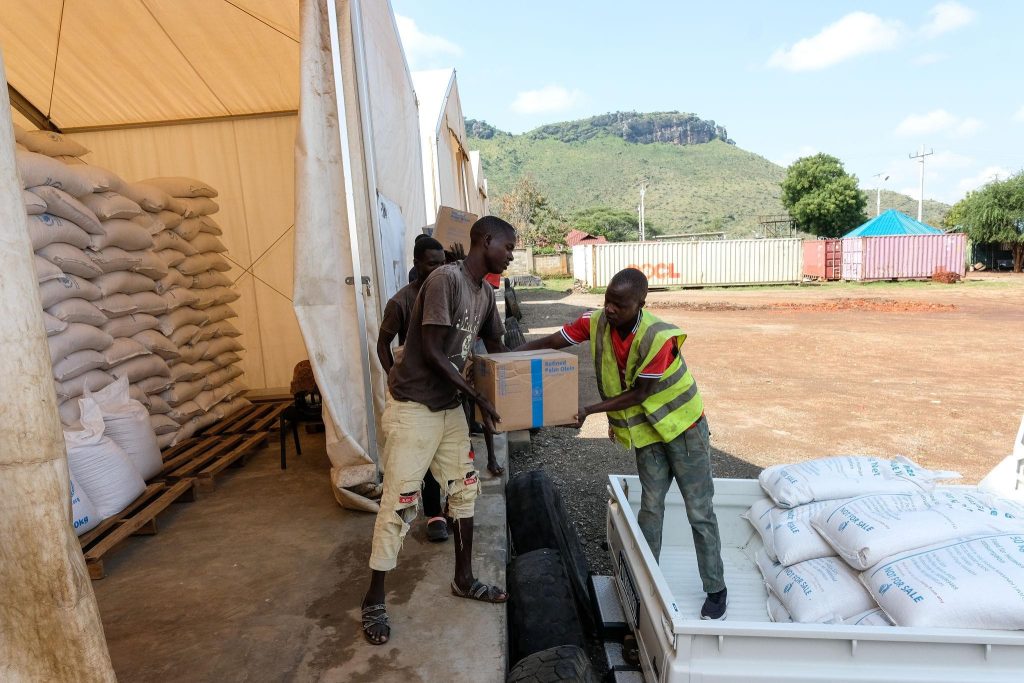
Relief supplies are being prepared for distribution to vulnerable communities under Uganda’s anticipatory disaster response efforts.