
By Diana N. Kintu
Uganda’s business dispute landscape is undergoing a transformation as the Uganda Registration Services Bureau (URSB) strengthens its Alternative Dispute Resolution (ADR) mechanisms to provide faster, more efficient, and cost-effective solutions for commercial conflicts.
The Bureau has resolved 89 disputes in the current financial year, a development that highlights the growing importance of ADR in reducing lengthy dispute processes, improving business confidence, and supporting Uganda’s investment climate.
ADR mechanisms, which include negotiation, mediation, reconciliation, and arbitration, allow parties to settle disputes without relying solely on lengthy court processes while ensuring fairness and legal certainty.
The development comes as URSB continues to expand its role beyond traditional registration services into a key institution within Uganda’s justice and business regulation framework. The Bureau administers more than twenty laws covering areas such as business registration, intellectual property, insolvency, receivership, and security interests sectors, where effective dispute resolution is critical.
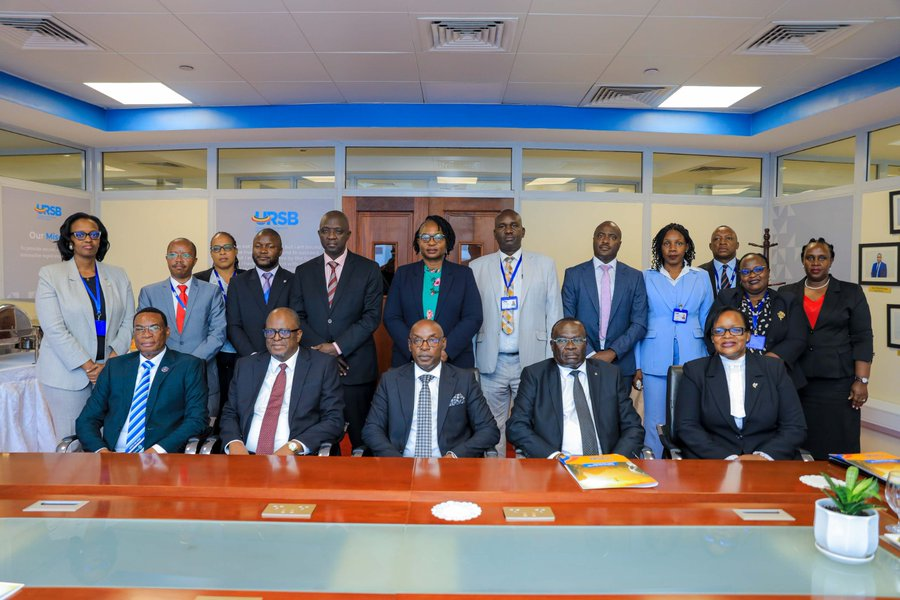
Speaking during a specialised ADR training for senior management and legal officers at the Uganda Business Facilitation Centre (UBFC) Auditorium, URSB Registrar General Ms. Mercy K. Kainobwisho said strengthening internal capacity was essential to ensuring quality decisions.
“ADR gives us better tools to ensure decisions are fair, efficient, and legally sound,” Ms. Kainobwisho said, noting that URSB Registrars regularly make determinations with significant legal and commercial implications.
She added that strengthening ADR capacity would improve service delivery while increasing confidence among businesses and investors who require predictable and efficient regulatory systems.
The training brought together legal experts, including Hon. Justice Geoffrey Kiryabwire of the Court of Appeal and Constitutional Court, Dr. Henry Onoria of ALP East Africa, and Ms. Barbara Kilei of the International Development Law Organization (IDLO) Uganda.
Participants were equipped with practical skills in negotiation, mediation, reconciliation, and arbitration within Uganda’s legal framework, with emphasis on applying ADR principles in resolving disputes handled by the Bureau.
Justice Kiryabwire highlighted the importance of alternative justice mechanisms in reducing pressure on formal court systems while ensuring parties reach practical solutions.
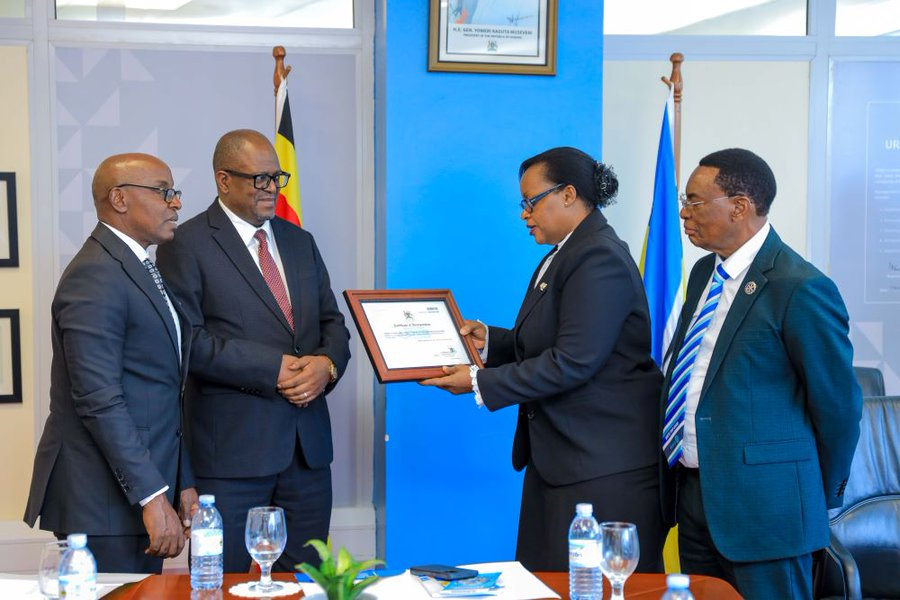
URSB’s ADR agenda has also received recognition at the continental level. During a joint courtesy visit to URSB headquarters in Kololo, the Chief Justice of Uganda, Justice Dr. Flavian Zeija, and the Chief Justice of Zambia, Justice Dr. Mumba Malila, commended the Bureau’s contribution to advancing alternative justice systems.
The engagement formed part of the Africa Chief Justices’ ADR Forum, which promotes the use of alternative justice mechanisms to strengthen access to justice and regional legal cooperation.
Justice Malila noted that ADR offers benefits such as efficiency, reduced costs, and improved social harmony, while URSB leadership reaffirmed its commitment to deepening collaboration and strengthening its quasi-judicial functions.
As Uganda continues to pursue investment growth and improve the ease of doing business, efficient dispute resolution remains a critical factor in reducing uncertainty and protecting commercial relationships.
Through its growing ADR framework, URSB is positioning itself as a modern regulatory institution supporting legal certainty, business stability, and sustainable economic growth.
URSB Members Resolve 89 commercial Dispute through ADR Boosting Business confidence
URSB targets faster dispute resolution to reduce corporate litigation