

By Ssenkayi Marvin Ezra
Across many communities in Uganda, environmental degradation, plastic pollution, poor waste management, deforestation, and inadequate access to sustainable construction materials continue to threaten livelihoods and the future of generations to come. At the same time, climate change has intensified challenges such as soil erosion, water scarcity, flooding, and loss of biodiversity. Recognising the urgent need for practical, community-driven solutions, Equal Aqua Foundation has developed innovative projects that combine environmental conservation, climate resilience, and sustainable development.
Founded on the belief that communities can become agents of environmental transformation, Equal Aqua Foundation works at the intersection of water, sanitation, environmental protection, and economic empowerment. Two of the organisation’s flagship initiatives—the Plastic Bottle Initiative and the Interlocking Stabilized Soil Blocks (ISSB) Technology Program—demonstrate how local innovation can address global sustainability challenges while creating lasting social and economic benefits.
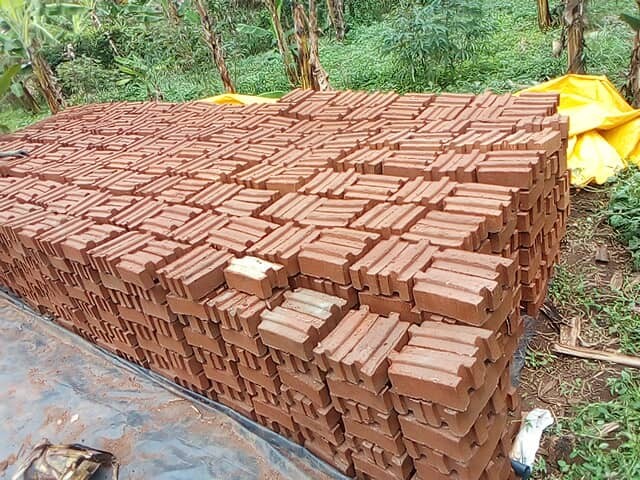
Figure 1: Interlocking Stabilised Soil blocks ready for use in construction
Transforming Plastic Waste into Opportunity
Plastic waste has become one of the most visible environmental challenges facing Uganda today. Plastic bottles are commonly discarded in drainage channels, water sources, roadsides, and open spaces, contributing to pollution, flooding, and ecosystem degradation. Many communities lack effective waste collection systems, resulting in plastics accumulating in the environment and threatening both human and environmental health.
Equal Aqua Foundation launched the Plastic Bottle Initiative as a community-centered response to this challenge. The initiative encourages households, schools, youth groups, and local leaders to collect, sort, and responsibly manage plastic waste rather than disposing of it improperly.
The project goes beyond simple waste collection. It promotes a circular economy approach where plastic bottles are viewed as a valuable resource rather than waste. Through awareness campaigns, clean-up exercises, and environmental education programs, communities learn about the dangers of plastic pollution and the importance of responsible waste management.
Collected plastic bottles are repurposed in innovative ways, including eco-construction projects, community demonstration activities, and recycling partnerships. By keeping plastics out of waterways and ecosystems, the initiative contributes to cleaner communities, reduced environmental pollution, and improved public health outcomes.
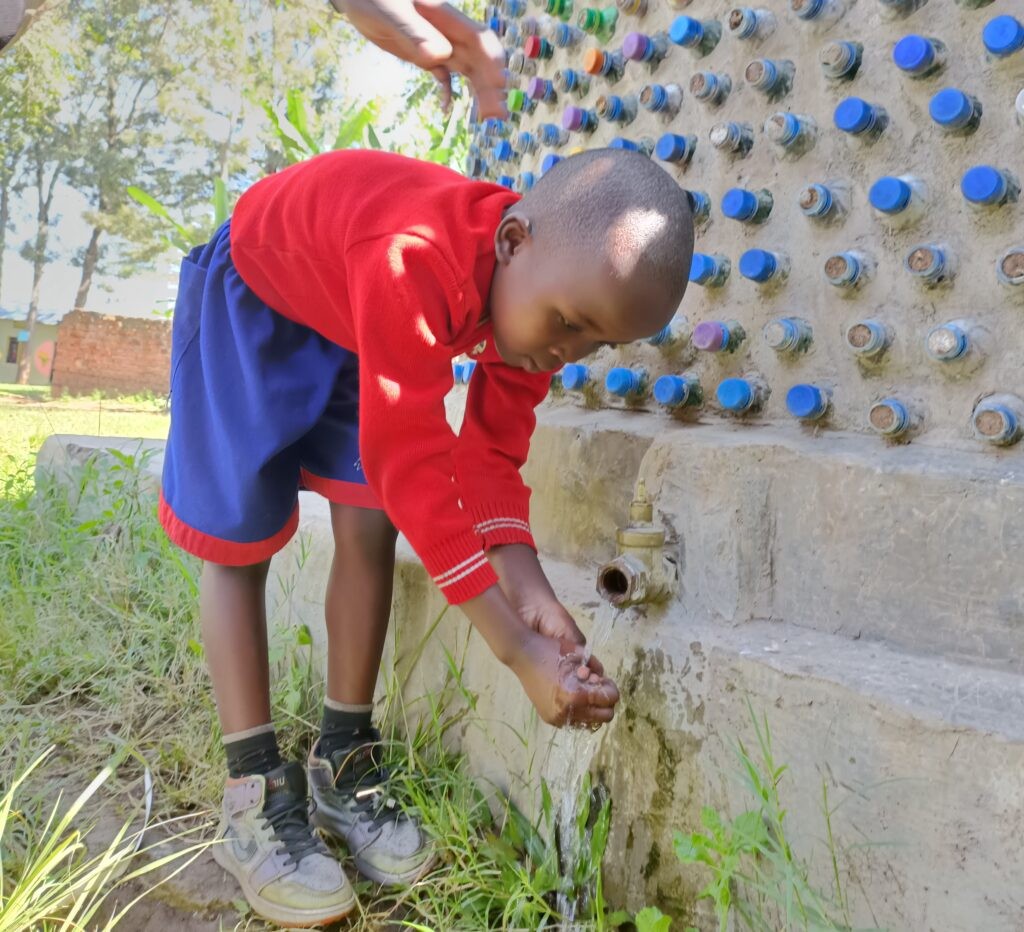
Figure 2: A young boy washes his hands from a water tank constructed using recycled plastic water bottles
The project also creates economic opportunities for youth and women who participate in waste collection and recycling activities. Through these efforts, environmental conservation becomes linked to income generation, helping communities understand that protecting the environment can also improve livelihoods.
By turning waste into a resource, Equal Aqua Foundation is helping communities shift from a “use and dispose” culture toward a sustainable circular economy model.
Promoting Sustainable Construction Through Interlocking Stabilized Soil Blocks Technology
The construction sector is one of the largest contributors to environmental degradation worldwide. Traditional fired clay bricks require large amounts of wood fuel, contributing significantly to deforestation and carbon emissions. In Uganda, brick burning remains a major driver of tree loss, affecting biodiversity, water catchments, and climate resilience.
To address this challenge, Equal Aqua Foundation promotes Interlocking Stabilized Soil Blocks (ISSB) Technology as an environmentally friendly and cost-effective construction solution.
ISSB technology uses locally available soil mixed with a small amount of cement to produce durable interlocking blocks through compression rather than firing. Unlike conventional bricks, ISSBs do not require burning, eliminating the need for firewood and significantly reducing environmental impact.
The interlocking design also minimizes the use of mortar during construction, making buildings more affordable while maintaining strength and durability. This technology enables communities to construct schools, sanitation facilities, community centers, water infrastructure, and homes in a more sustainable manner.
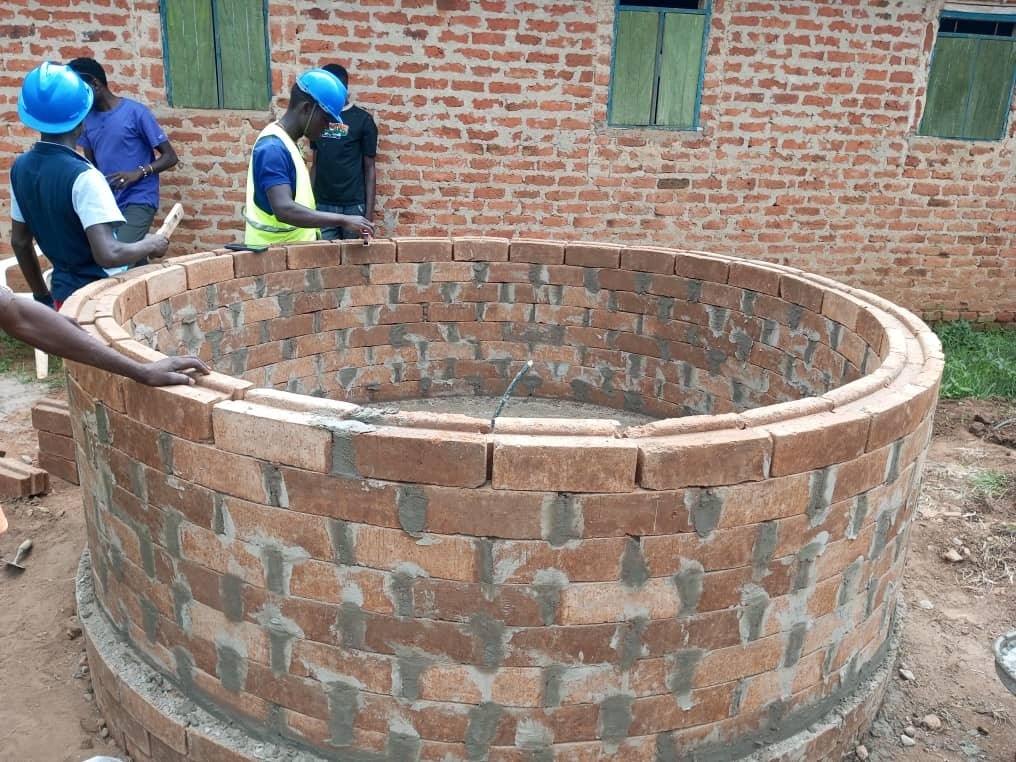
Figure 3: Constructing a water tank using the ISSB technology
Through practical training programs, Equal Aqua Foundation equips young people, community members, and local builders with skills in ISSB production and sustainable construction techniques. These skills not only support environmental conservation but also create employment and entrepreneurship opportunities within local communities.
The environmental benefits of ISSB technology are significant:
- Reduced deforestation due to elimination of brick firing.
- Lower carbon emissions compared to conventional brick production.
- Reduced construction costs.
- Efficient use of local materials.
- Improved climate resilience through durable infrastructure.
- Promotion of sustainable land and resource management.
The technology demonstrates how innovation can meet development needs without compromising environmental sustainability.
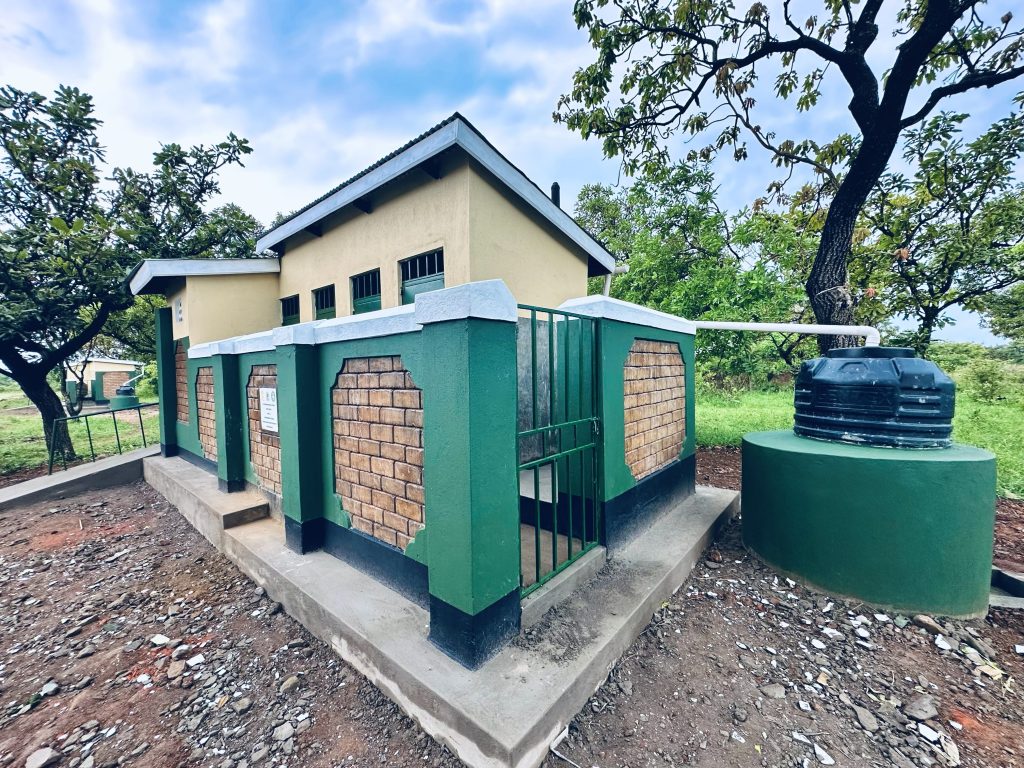
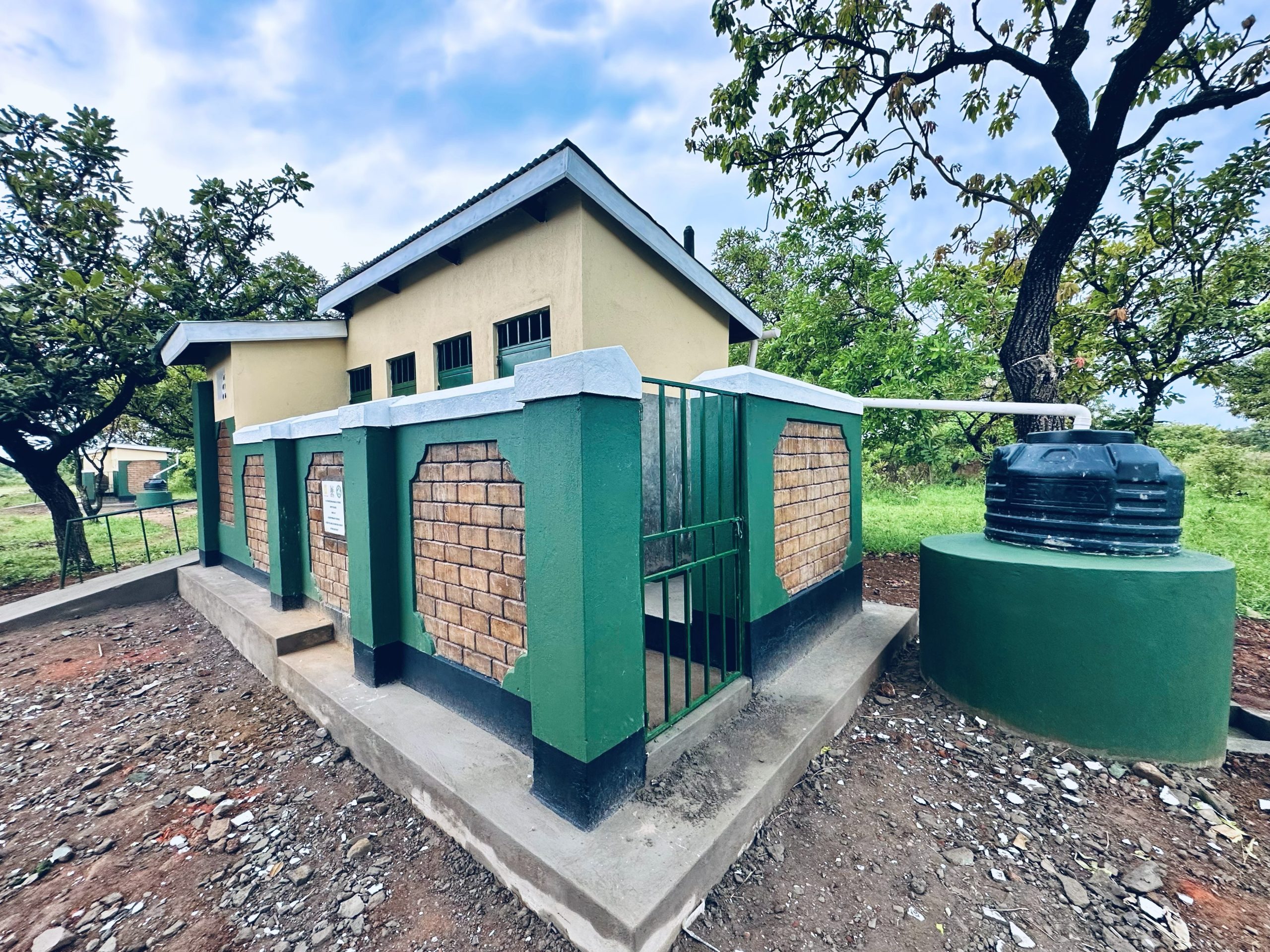
Figure 4:A 4-stance VIP latrine constructed using the ISSB technology
Linking Conservation with Community Development
What makes Equal Aqua Foundation’s approach unique is its ability to connect environmental conservation with community development goals. Rather than treating environmental protection as a separate issue, the organisation integrates sustainability into everyday community needs.
The Plastic Bottle Initiative addresses waste management while creating economic opportunities. ISSB technology protects forests while providing affordable infrastructure. Together, these projects contribute to healthier ecosystems, stronger communities, and improved livelihoods.
Vision for the Future
Looking ahead, Equal Aqua Foundation aims to expand both initiatives across Uganda by establishing community recycling hubs, increasing environmental awareness campaigns, training more youth in green construction technologies, and developing demonstration projects that showcase sustainable building and waste management solutions.
The organisation envisions communities where plastic waste is no longer an environmental threat, where forests are protected from unnecessary destruction, and where sustainable infrastructure supports healthy and resilient livelihoods.
The story of Equal Aqua Foundation is ultimately a story of transformation, transforming waste into opportunity, transforming construction into conservation, and transforming communities into champions of sustainability. Through innovation, local leadership, and a commitment to environmental stewardship, Equal Aqua Foundation is helping build a future where people and nature can thrive together.