

By Christine Keehe
In the quiet hours of dusk (twilight) and before dawn, when the world is cloaked in a velvet darkness, the Northern Bypass transforms from a lifeline connecting cities into a shadowy corridor of peril. It’s a road that promises swift passage, an artery of progress, yet beneath its asphalt surface lurks an insidious tide of theft, turning progress into peril for countless travellers.
My personal story of vulnerability
I remember the night vividly; the moon was a faint sliver in the sky as I navigated the lonely stretch. Suddenly, headlights appeared behind me, erratic and threatening like wolves circling their prey. Before I could react much, assailants emerged from the shadows, their figures cloaked in darkness. They pounced, snatching my valuables with swift brutality, leaving me shaken, a victim of a crime that feels like a betrayal by the very road meant to connect and empower.
That night, as I attempted to reach home, my plans were abruptly shattered by a violent robbery. After leaving work late and choosing to take a taxi to avoid delays, I stopped at Namugongo to catch a boda boda. As I waited in the stillness of the night, a dark figure suddenly emerged from the shadows. A young boy swiftly snatched my bag, and despite my desperate fight to hold on, I was forced to let it go, my fingers mangled and bleeding. I narrowly escaped further violence when I noticed another attacker lurking nearby, ready to hurl a stone, illustrating how dangerous and unpredictable the streets have become.
My experience highlights how the road meant to connect and empower has turned into a battlefield of shadows and violence. The night transformed from a routine journey into a scene of terror, revealing the lurking menace that threatens innocent travellers. This story is a stark reminder that beneath the surface of development, danger still lurks, silent, deadly, and ready to strike at any moment, turning progress into peril for those who travel these dark roads.
Overview of the Northern Bypass in Uganda
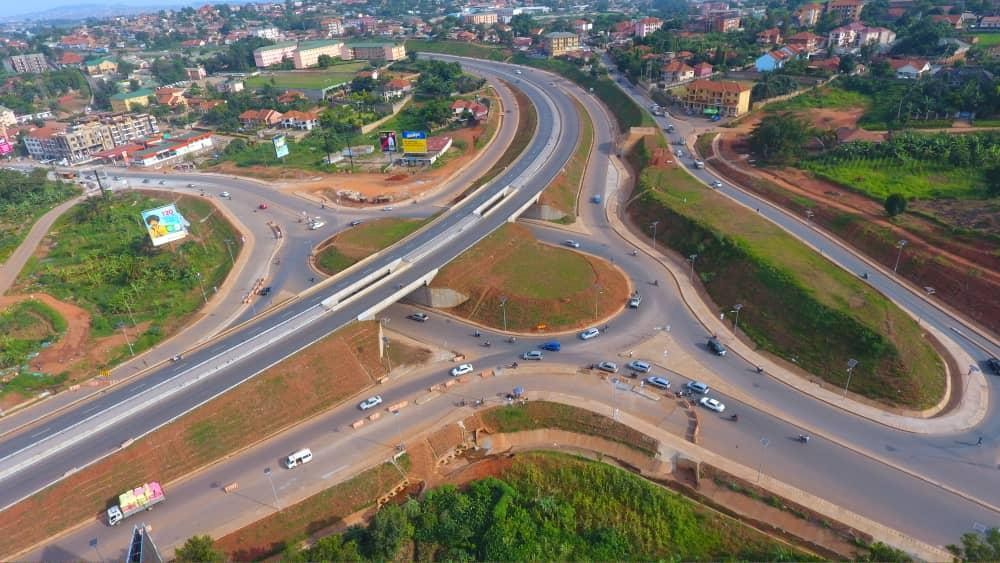
The Northern Bypass in Uganda begins near the Northern Gate of Kampala, connecting to the Kampala-Gulu Highway (A109), and links with Kira Road, which heads towards Kira and the surrounding suburbs. It also connects to Bombo Road, leading towards Bombo and northern regions, and intersects with roads serving Kampala’s northern suburbs such as Kisaasi and Ntinda. Additionally, the bypass provides connections to roads leading towards Entebbe and its environs, ultimately ending near Kira and facilitating movement around Kampala’s northern areas while connecting key routes to other important towns and suburbs.
The silent epidemic
The Northern Bypass, envisioned as a conduit of development and connectivity, has inadvertently become a battleground for thieves who strike with surgical precision and ruthless abandon. These rising incidents of theft and violence are almost on everyone’s lips. It’s a landscape dotted with stories of loss accounts that echo like distant thunder in the minds of victims and witnesses alike.
Personal encounters and collective woes
Stories are legion; let’s put them in a summary: just on the same day I was robbed, there had been another woman robbed of her handbag as she slowed for a pothole; in the previous week, a businessman ambushed and relieved of cash and gadgets; a family vehicle hijacked under the cloak of night. These incidents are not isolated; they form a tapestry woven with threads of fear, frustration, and helplessness.
Patterns and perpetrators
Most thefts along the Northern Bypass follow a pattern of ambushes at isolated spots, crude methods, and swift escape routes into the labyrinth of nearby bushes and unpatrolled terrain. The culprits often operate in gangs, their shadows dancing in the flickering torchlight of police patrols that seem to struggle against an ever-evolving menace.
Law enforcement challenges
Law enforcement agencies have responded with varying degrees of vigour but face formidable challenges. Police officers on patrol describe the situation as akin to fighting a hydra, cut off one head, and another grows in its place. Limited resources, inadequate manpower, and the vastness of the bypass strain their capacity. They also said they try their best, but it all seems to go in vain, the OC of Namugoona said during our interaction, after I had gone to report the theft case at the police station.
Security gaps and contributing factors
The police face significant challenges in effectively managing security along the Northern Bypass. Their limited manpower means patrol units are stretched thin and unable to adequately cover the vast length of the road. Additionally, the absence of modern technological support, such as surveillance cameras and tracking devices, hampers swift response and effective investigation. Corruption and collusion among some officials further complicate efforts, while a disconnect between the police and the community leaves victims feeling abandoned and unable to access timely justice.
Several factors contribute to the rising theft and violence along the bypass. Poor lighting creates ideal ambush points for criminals, while the lack of CCTV cameras and monitoring stations reduces deterrence and hampers crime detection. Economic hardships, including poverty and unemployment, drive many individuals toward criminal activities. Busy transport hubs and isolated spots become hotspots for theft, and weak judicial follow-up fosters a culture of impunity, encouraging repeat offenses.
A multi-faceted approach: strategies for restoring security
Addressing this crisis requires a comprehensive, multi-faceted strategy. Implementing technological solutions like surveillance systems, engaging the community in security efforts, reforming policies, and upgrading infrastructure are crucial steps. A collaborative approach involving law enforcement, local authorities, and residents is essential to restore safety, rebuild trust, and ensure the Northern Bypass becomes a secure route for all travellers.
Harnessing technology and innovation for safer roads, emulate countries
To combat crime along the Northern Bypass, a combination of technological and infrastructural improvements is essential. Installing CCTV cameras at key points, such as major intersections and isolated stretches, along with drone patrols that can monitor large areas from above, can provide constant surveillance and rapid response capabilities. For example, cities like Nairobi have successfully used drone technology to track criminal activity in hard-to-reach areas. Additionally, enhancing lighting in poorly lit areas and maintaining infrastructure will eliminate dark, hidden spots where criminals could operate, just as improved street lighting in Johannesburg reduced nighttime crime. Strengthening community vigilance through neighbourhood policing initiatives, such as community watch groups in Nigeria, can foster trust and encourage residents and travellers to promptly report suspicious activities. Emulating others has never been a crime. We can get where we want to be.
Further measures include increasing police presence with well-equipped patrol units, such as motorcycle squads or rapid-response teams, to serve as a visible deterrent. Ensuring swift judicial action through strict enforcement and sentencing, as Kenya does with special courts for expedited trial processing, can reinforce the message that crimes will not be tolerated. Public awareness campaigns, such as Tanzania’s safety awareness drives, can educate travellers on safety protocols, including avoiding risky areas and reporting suspicious behaviour. Together, these strategies aim to create a safer environment, reduce criminal activity, and restore confidence in the bypass’s security.
The role of technology and innovation in enhancing safety
Emerging technological solutions offer significant potential to enhance safety along the Northern Bypass. By integrating GPS tracking systems into vehicles and personal devices, authorities and travellers can monitor movements more effectively, ensuring faster response times in emergencies. Real-time alert mechanisms such as automated notifications sent to law enforcement and emergency services can facilitate immediate intervention when suspicious activity or incidents are detected. Additionally, mobile applications that enable travellers to share their live location with trusted contacts or security agencies can provide an added layer of security, allowing for rapid assistance if needed. These innovations not only improve situational awareness but also empower travellers to take proactive measures in safeguarding themselves, ultimately creating a safer environment through increased connectivity and instant communication.
Police officials acknowledge the enormity of the challenge they face, describing it as a battle against a hydra that continues to grow and evolve. A senior officer at Namugoona police station remarked, “We are fighting a hydra that keeps growing, with new tactics and challenges emerging constantly.” Despite these difficulties, they remain optimistic that with improved coordination among law enforcement agencies, the strategic deployment of modern technology such as surveillance cameras, GPS tracking, and real-time communication systems, and stronger community support, they can gradually reclaim the Northern Bypass from criminal elements. This collective effort requires not only resources but also a shared commitment to creating safer spaces for travellers and residents alike.
Community voices and the call for urgent action
Victims and community leaders resonate with this urgency, emphasizing the need for immediate and sustained action. A local trader expressed deep frustration, saying, “We feel abandoned and vulnerable. Our roads should be symbols of progress and safety, not fear and danger.” Many community members feel neglected by authorities and are calling for increased security measures, better lighting, and more active community policing to restore confidence. These voices highlight that safety is a shared responsibility, and fostering trust and collaboration between law enforcement and residents is essential to transforming the Northern Bypass into a secure corridor that promotes growth and peace for all who use it.
A call to action: reclaiming the road for progress
The Northern Bypass is more than just asphalt and concrete; it’s a lifeline that connects dreams, ambitions, and livelihoods. Its safety depends on a collective effort of government agencies, local communities, travellers, and civil society.
It’s time to see beyond the surface to recognize that the fight against theft along this route is a battle for the very soul of progress. Only through concerted, innovative, and unwavering efforts can the shadowy veil be lifted, revealing a safer, brighter future for all who traverse this vital corridor.
Above all, the Northern Bypass should be a light road of hope and progress, not a theatre of fear and crime. The road ahead is long, but with determination and unity, the shadows can be banished, paving the way for safer journeys and a more secure tomorrow.