

By Caroline
The Government of Uganda has warned contractors working on road construction projects across the country against using old and poorly maintained vehicles, saying the practice compromises the quality, safety, and efficiency of road works.
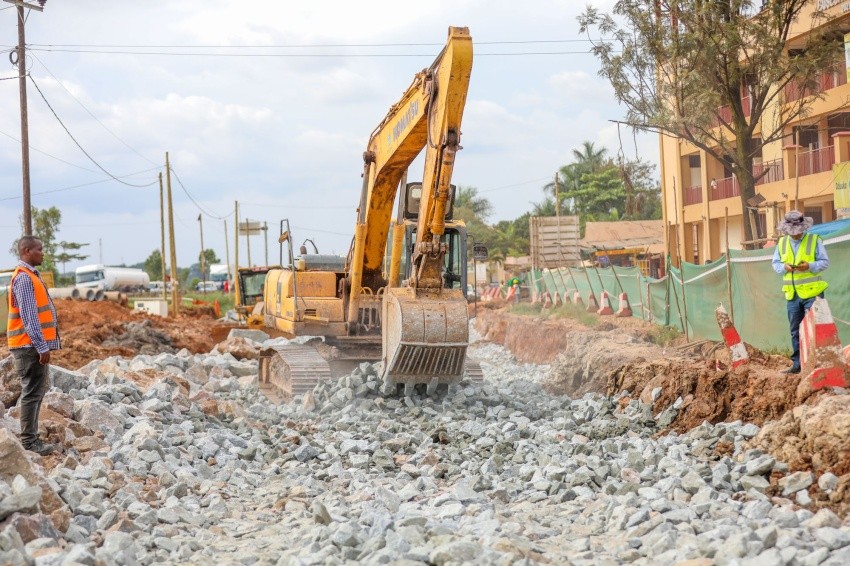
Officials from the Uganda National Roads Authority (UNRA) said some contractors continue to deploy outdated trucks, graders, and other heavy machinery that frequently break down during project implementation. According to the authority, such equipment slows down progress and often leads to delays in completing road infrastructure projects.
Government authorities emphasised that road construction requires modern and well-maintained equipment to ensure that projects meet the required engineering standards. Contractors using obsolete machinery risk producing substandard work, which can lead to rapid deterioration of newly constructed roads.
Officials further explained that many of the old vehicles lack the capacity and efficiency needed for large-scale road works, particularly on national highways and major district roads. In some cases, the ageing machines consume excessive fuel and require constant repairs, increasing operational costs and ultimately affecting project timelines.
Authorities also warned that poorly maintained construction vehicles pose safety risks to workers and nearby communities. Mechanical failures can cause accidents at construction sites, while leaking oil and other hazardous substances may harm the environment.
According to government officials, contractors awarded road projects are expected to meet strict technical and operational standards before commencing work. These requirements include having adequate machinery, skilled personnel, and the financial capacity to execute the projects within the agreed time frame.
The government noted that it will intensify inspections at construction sites to ensure contractors comply with these requirements. Any contractor found using unfit or outdated machinery may face penalties, suspension of works, or even termination of contracts.
Officials stressed that improving road infrastructure remains a key priority for Uganda, as reliable transport networks are essential for economic growth, trade, and access to social services. However, they warned that the quality of road construction must not be compromised by the use of outdated equipment.
Contractors have therefore been urged to invest in modern machinery and maintain their vehicles regularly to meet the required standards. Authorities also encouraged project supervisors to closely monitor the equipment used on construction sites to ensure compliance. The government restated that strict enforcement of construction standards is necessary to guarantee that public funds invested in road infrastructure deliver durable and high-quality roads for Ugandans.