

By Diana.N Kintu
The Uganda Communications Commission (UCC) has issued a public warning to broadcasters, cautioning them against using radio and television platforms to dispute officially declared election results or air unverified claims related to the recently concluded general elections.
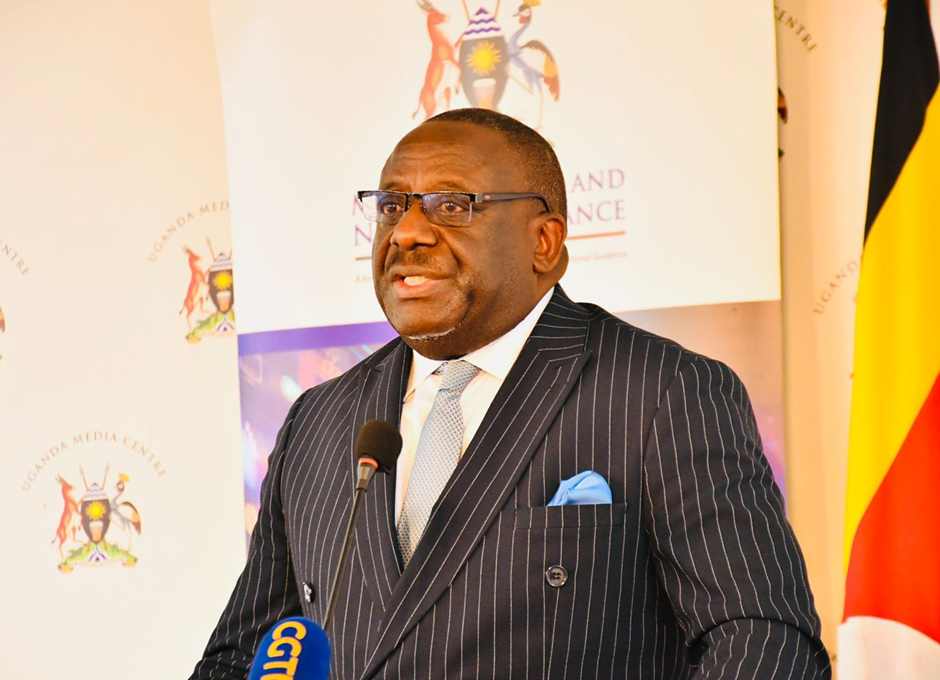
In a public notice issued by the Commission’s Executive Director, Mr Nyombi Thembo, UCC expressed concern over a growing trend in which unsuccessful candidates in parliamentary and local government elections resort to broadcast media to challenge election outcomes. According to the regulator, some of these appearances have involved sensational, unsubstantiated allegations that risk misleading the public and undermining confidence in the electoral process.
UCC reiterated that the Electoral Commission (EC) is the sole constitutional body mandated to organise elections and declare official results in Uganda. Any disputes arising from the electoral process, the Commission emphasised, must be addressed through legally established channels.
“Broadcast platforms must not be used as alternative venues for litigating election disputes,” Mr Nyombi said. “Those dissatisfied with election outcomes should seek redress through the courts within the timelines prescribed by law.”
The Commission warned that the airing of parallel vote tallies, speculative allegations or unofficial results is unlawful and poses a threat to public trust, national unity and democratic stability. Broadcasters were therefore directed to exercise strict editorial oversight and ensure that all election-related information disseminated to the public is verified against official sources from the Electoral Commission.
UCC reminded media houses of their responsibility under the law to promote accurate, fair and balanced reporting, particularly during sensitive electoral periods. It noted that broadcast media wields significant influence over public opinion and must be used responsibly to avoid inflaming tensions or spreading misinformation.
The regulator further cautioned that decisive enforcement action would be taken against any broadcaster found to be in violation of the relevant laws, regulations or broadcasting guidelines. Such measures may include sanctions provided for under the Uganda Communications Act and other applicable legal instruments.
Media owners, editors and programme presenters were urged to exercise professional judgment and uphold ethical standards in their coverage of election-related matters. The Commission also called on the public to consume and share election information responsibly, relying on verified and official sources.
Uganda conducted its general elections between 15 and 31 January 2026, covering the presidential, parliamentary and local government levels. The electoral exercise marked another significant milestone in the country’s democratic process and attracted widespread national and international attention.
The Chief of Defence Forces, General Muhoozi Kainerugaba, described the 2026 elections as the most peaceful since 1996. He noted that the majority of Ugandans complied with security and electoral guidelines by casting their votes peacefully and returning to their homes without causing disruptions.
The Electoral Commission formally gazetted the presidential election results on 6 February 2026, granting them full legal effect under Ugandan law. The gazettement marked the conclusion of the official electoral process and opened the window for any legally permissible election petitions to be filed in court. UCC’s warning comes amid heightened scrutiny of media conduct during election periods, as regulators and stakeholders seek to balance freedom of expression with the need to preserve peace, accuracy and public confidence in democratic institutions. The Commission has reiterated its commitment to ensuring that Uganda’s broadcast media operates within the law while contributing positively to democratic governance and national cohesion.