

By Diana N. Kintu
The Ministry of Health has officially launched a nationwide mandatory newborn screening programme for Sickle Cell Disease (SCD), marking a significant milestone in Uganda’s efforts to reduce deaths and complications associated with the genetic condition.
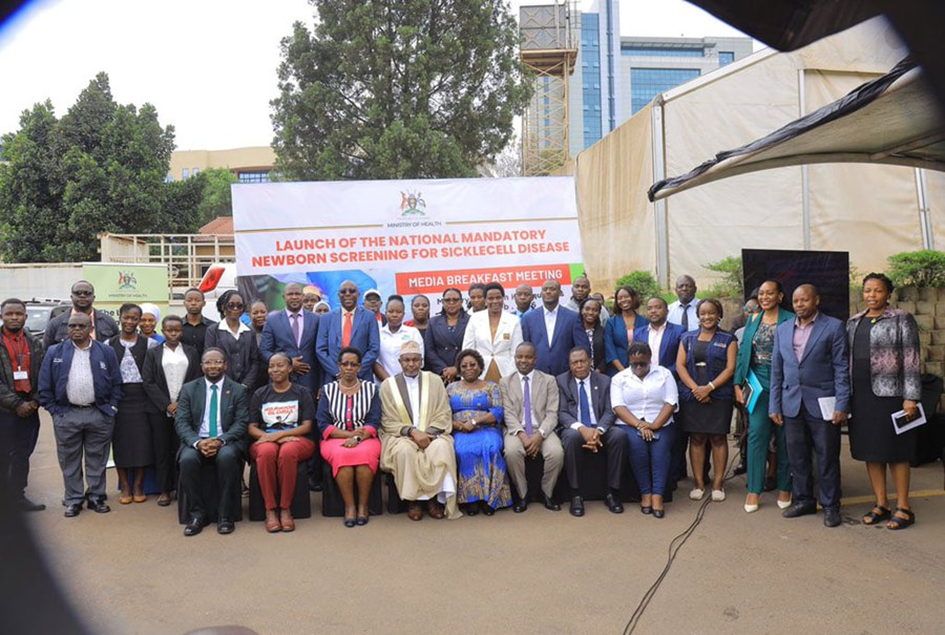
The programme was launched by the Permanent Secretary at the Ministry of Health, Dr Diana Atwine, under the theme “Every child in Uganda must have a known sickle cell status.” The initiative aims to ensure that all newborns are tested at birth, enabling early diagnosis and timely medical intervention.
Under the programme, all babies born in public and private hospitals, as well as lower-level health facilities across the country, will be screened using rapid diagnostic test kits. The nationwide rollout builds on successful pilot projects implemented in Kayunga and Lira districts, which demonstrated the feasibility and life-saving potential of early screening. The Ministry plans to achieve full national coverage within two years.
The programme is being implemented in partnership with Baylor Foundation Uganda, led by its Executive Director, Dr Dithan Kiragga, with technical support from programme directors Dr Denise Josephine Birungi and Dr Angella Mirembe. The collaboration brings together government leadership, specialised clinical expertise and community-based health delivery systems.
Speaking at the launch, Dr Atwine underscored the importance of early detection in managing sickle cell disease, noting that delayed diagnosis often leads to preventable deaths and long-term complications.
“Newborn screening enables timely medical care that prevents organ damage, reduces mortality and improves long-term outcomes. Every child deserves a healthy future,” she said.
She explained that children diagnosed with SCD would be enrolled in follow-up care to manage complications such as severe anaemia, recurrent infections, stroke and organ failure. Early intervention, she added, significantly improves survival rates and quality of life.
According to the Ministry of Health, an estimated 20,000 babies are born with sickle cell disease in Uganda each year, with nearly 9,000 dying before reaching the age of five. Health officials attribute the high mortality rate largely to late diagnosis, limited access to specialised care and low public awareness.
To address these challenges, the Ministry has committed to ensuring the consistent availability of screening test kits in health facilities nationwide. In addition, essential medicines for the management of sickle cell disease are being incorporated into the national essential medicines list to improve access and affordability.
Beyond newborn screening, the Ministry is also promoting preventive strategies, including premarital and preconception screening. Dr Atwine encouraged couples to know their sickle cell status before marriage, warning that uninformed reproductive choices can have lifelong medical, emotional and financial consequences.
“Love may be powerful, but the reality of raising a child with sickle cell disease is demanding and costly. Young people must make informed decisions to protect future generations,” she said.
Health experts at the launch described the programme as a critical step towards evidence-based healthcare and stronger disease surveillance. By generating accurate data on the prevalence of sickle cell disease, the initiative is expected to guide policy decisions, resource allocation and future research.
The launch reflects Uganda’s broader commitment to strengthening healthcare delivery through partnerships, innovation and preventive care. Communities, parents and healthcare workers have been urged to support the programme by ensuring newborns are tested at birth and by promoting awareness of sickle cell disease at household and community levels. With mandatory newborn screening now in place, health authorities believe Uganda is better positioned to reduce childhood mortality from sickle cell disease and secure healthier futures for thousands of children each year.