

By Diana .N.Kintu
Mbale City has taken a significant step towards expanding access to clean and reliable energy following the commissioning of a new Liquefied Petroleum Gas (LPG) filling and storage plant. The facility, located within the city, is expected to improve the availability of LPG in Eastern Uganda and support the country’s ongoing transition away from traditional biomass fuels.
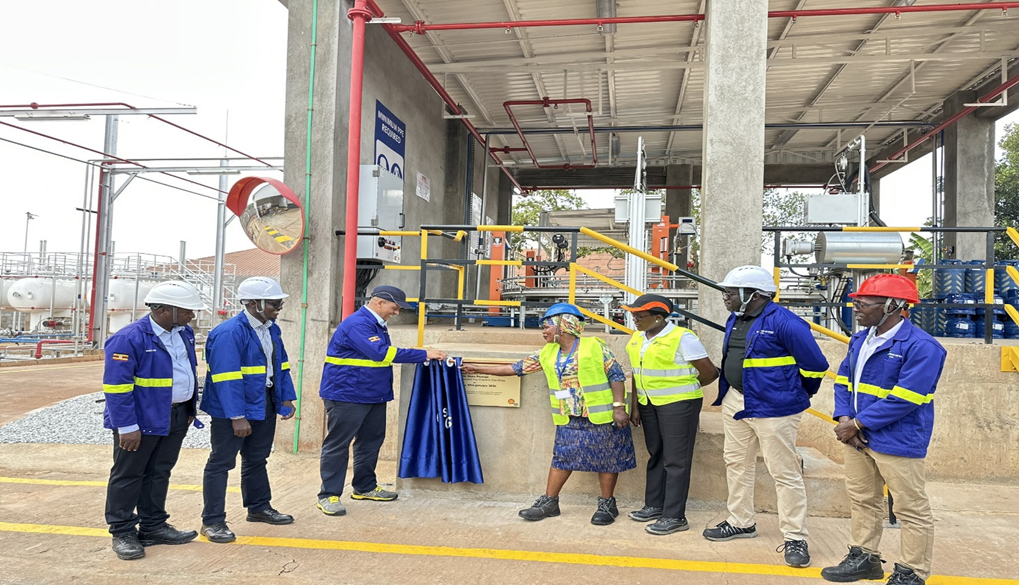
The plant was officially commissioned by the Deputy Mayor of Mbale City, Miss Harriet Kakayi, alongside Mr Hans Paulsen, Executive Vice President (East). The development is being hailed as a major milestone in improving modern energy access for households, commercial users, and small businesses in the region.
Speaking at the commissioning ceremony, Miss Kakayi welcomed the investment, noting that Mbale City continues to position itself as a hub for sustainable urban development. She emphasised that access to cleaner energy sources such as LPG is essential for improving public health, reducing environmental degradation, and supporting economic growth.
“For many households, especially in urban and peri-urban areas, cooking with charcoal and firewood remains common despite the risks involved,” she said. “This new facility will not only increase the availability of LPG but also enhance safety and reliability, making clean cooking solutions more accessible and affordable for our residents.”
LPG is widely recognised as a cleaner alternative to traditional cooking fuels such as charcoal and firewood, which are associated with indoor air pollution, respiratory illnesses, and deforestation. According to energy experts, increased access to LPG can significantly reduce health risks, particularly for women and children who are most exposed to smoke from household cooking.
Mr Paulsen highlighted that the Mbale plant forms part of a broader strategy to expand LPG infrastructure across Uganda. He stated that the facility has been designed to meet high safety standards and will ensure a stable supply of LPG to meet growing demand in Eastern Uganda.
“This investment reflects our long-term commitment to Uganda’s clean energy transition,” he said. “By strengthening LPG storage and filling capacity in regional centres like Mbale, we are supporting households and businesses to shift towards safer, more efficient, and environmentally friendly energy solutions.”
Vivo Energy Uganda reaffirmed its dedication to supporting national efforts aimed at promoting sustainable energy use.
The commissioning of the Mbale facility also aligns with Uganda’s national development priorities, including the promotion of sustainable urbanisation and climate resilience. Government data indicate that a large proportion of Ugandan households still rely on biomass for cooking, placing pressure on forest resources and contributing to greenhouse gas emissions.
Local leaders and stakeholders expressed optimism that the new plant will encourage wider adoption of LPG in the region, particularly among urban households, hotels, restaurants, and small-scale industries. They also called for continued public awareness campaigns to educate communities about the benefits of clean cooking fuels.
As Uganda accelerates efforts to meet its clean energy and climate commitments, investments such as the Mbale LPG filling and storage plant are seen as crucial in bridging the gap between policy and practice. The facility stands as a symbol of growing momentum towards a cleaner, safer, and more sustainable energy future for Eastern Uganda.