

By Caroline.N
The Government of Uganda has announced that it will no longer grant refugee status to individuals arriving from countries that are not at war, specifically naming Ethiopia and Somalia among those affected. The decision, made public by Hilary Onek, Minister of Relief, Disaster Preparedness and Refugees, reflects mounting pressure on Uganda’s capacity to continue absorbing growing numbers of asylum seekers amid dwindling donor support.
Importantly, the government clarified that this measure applies only to new arrivals. People from these countries who had already been granted refugee status will not have their status revoked.
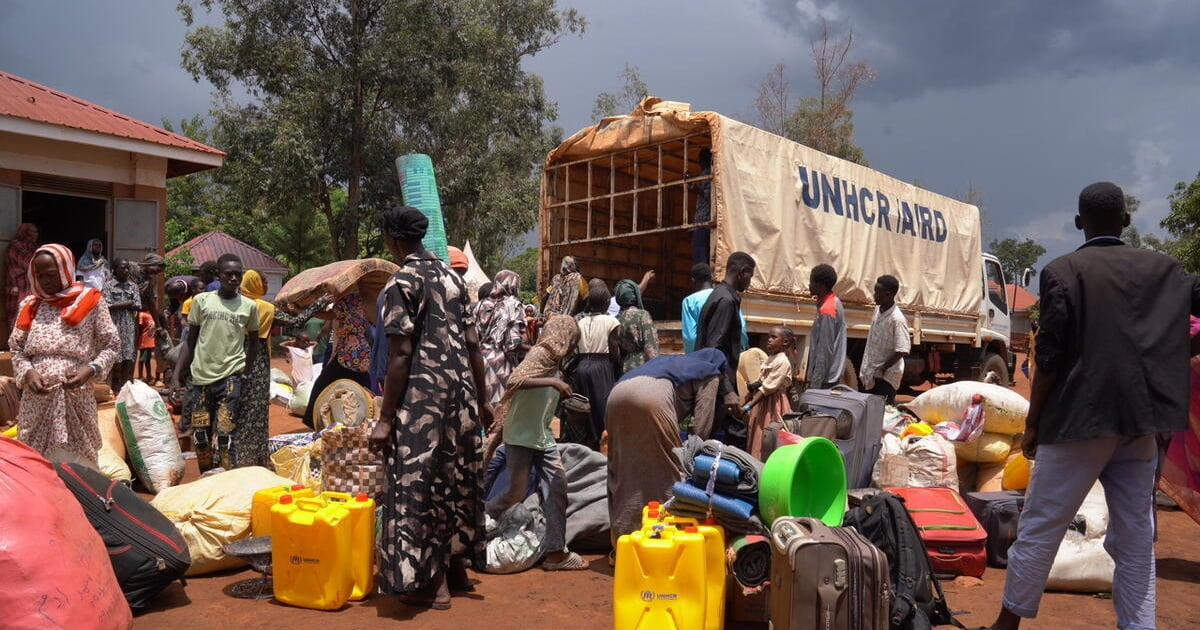
Uganda has long been celebrated for its open door refugee policy. Over the years, it has hosted refugees from many African countries under laws that grant asylum seekers rights to work, move freely, and access public services. However, the recent surge in arrivals, particularly from conflict zones — has stretched the system to its limits. Reports indicate that Uganda now hosts nearly two million refugees and asylum seekers.
Amid this inflow, international support has sharply declined. According to the minister, funding from the main international refugee agency has dropped from around US $240 million per year to less than US $100 million. In turn, Uganda’s ability to subsidise support services — including food, shelter, health and education, for all refugees is increasingly unsustainable. Officials also point to daily arrivals from other troubled countries, including the Democratic Republic of the Congo (DRC) and South Sudan, further complicating the burden borne by host communities and the state.
As of the new policy, new asylum seekers from Ethiopia and Somalia will no longer be accepted for refugee status. Those who are already registered as refugees will retain their status and associated rights. The implication for recent arrivals may include no formal access to refugee protections, such as legal recognition, work permits, or social services facilitated by the state or humanitarian agencies. For many fleeing instability, this may force them into uncertain situations, either living undocumented or seeking alternative countries for safe haven.
The decision comes at a moment when funding shortfalls have already pushed humanitarian agencies to the brink. The World Food Programme (WFP) and other relief organisations have warned of rising food insecurity, malnutrition, and disrupted services in refugee settlements. Meanwhile, other refugee populations, particularly from countries with ongoing conflict such as DRC, South Sudan and recently Sudan, continue to be accepted under Uganda’s asylum regime. The government has also reiterated its long standing commitment to encouraging voluntary return for refugees when their home countries stabilise and has said it is engaging with governments of war torn countries to entice them to accept returnees.
But for asylum seekers from Ethiopia and Somalia, the move marks a harsh shift — one that many observers expect will drive irregular migration, increase vulnerability, or prompt onward movement.
Key concerns include legal and protection gaps, as new arrivals may lack documentation and access to services. The humanitarian strain on agencies remains high, with nearly two million refugees relying on shrinking aid. Regional migration pressure may increase, as asylum seekers look for alternative countries, and domestic tension may rise as host communities face resource shortages.
Uganda’s decision to stop granting refugee status to new arrivals from Ethiopia and Somalia marks a significant shift in its refugee policy. Once seen as a regional beacon of generosity and open door asylum, the country is now balancing humanitarian ideals with stark economic and logistical realities. For thousands of vulnerable people seeking safety, the consequences are urgent and potentially severe.